Hey there! As a propeller vane supplier, I've been in the thick of it when it comes to understanding how different factors impact the performance of propellers. One of the most crucial aspects that often gets overlooked is the angle of the propeller vane relative to the shaft. In this blog, I'm gonna break down how this angle can make or break the performance of a propeller.
Let's start with the basics. The angle of the propeller vane, also known as the pitch angle, is the angle between the chord line of the vane and the plane of rotation. This angle plays a huge role in determining how the propeller interacts with the fluid (usually air or water) it's operating in.
Lift and Thrust Generation
The primary function of a propeller is to generate lift and thrust. When the propeller rotates, the vanes slice through the fluid, creating a pressure difference between the two sides of the vane. This pressure difference results in lift, which is perpendicular to the direction of fluid flow, and thrust, which is parallel to the direction of fluid flow.
The angle of the propeller vane directly affects the amount of lift and thrust generated. A larger pitch angle means that the vanes are more inclined relative to the plane of rotation. This results in a greater change in the fluid's momentum as it passes over the vanes, leading to more lift and thrust. However, there's a catch. If the pitch angle is too large, the vanes may stall, which means that the smooth flow of fluid over the vanes is disrupted, and the lift and thrust generation drops significantly.
On the other hand, a smaller pitch angle results in less lift and thrust. But it also means that the propeller can rotate at a higher speed without stalling. This can be beneficial in situations where high speed is required, such as in racing boats or airplanes.
Efficiency
Efficiency is another important factor to consider when it comes to propeller performance. A propeller is considered efficient if it can convert the input power (usually from an engine) into useful thrust with minimal losses. The angle of the propeller vane has a significant impact on efficiency.
A propeller with an optimal pitch angle can operate at a high efficiency over a wide range of operating conditions. This is because the vane is able to maintain a smooth flow of fluid over its surface, minimizing drag and maximizing lift and thrust. However, if the pitch angle is not optimized, the propeller may operate at a lower efficiency, resulting in higher fuel consumption and lower performance.
Cavitation
Cavitation is a phenomenon that can occur when a propeller operates at high speeds or in low-pressure environments. It happens when the pressure on the surface of the vane drops below the vapor pressure of the fluid, causing the formation of vapor bubbles. These bubbles can collapse violently, causing damage to the vane surface and reducing the propeller's performance.
The angle of the propeller vane can affect the likelihood of cavitation occurring. A larger pitch angle can increase the pressure drop on the vane surface, making cavitation more likely. Therefore, it's important to choose the right pitch angle to minimize the risk of cavitation, especially in applications where the propeller operates at high speeds or in low-pressure environments.

Real-World Applications
Let's take a look at some real-world applications to see how the angle of the propeller vane affects performance.
In the aviation industry, the pitch angle of an aircraft propeller is carefully designed to optimize performance at different stages of flight. During takeoff, a larger pitch angle is used to generate more thrust and lift, allowing the aircraft to get off the ground quickly. Once the aircraft is in the air, the pitch angle may be adjusted to a smaller value to increase efficiency and speed.
In the marine industry, the pitch angle of a boat propeller is also crucial. For example, in a fishing boat, a propeller with a smaller pitch angle may be used to allow for better maneuverability at low speeds. On the other hand, a racing boat may use a propeller with a larger pitch angle to generate maximum thrust and speed.
Related Products
If you're in the market for high-quality hydraulic pumps, check out these products:
- Komatsu 705-41-08090 Hydraulic Tandem Piston Pump for PC Series Excavator
- Hydraulic Helico Axial Triplex Piston Pump 259 0814 For CAT Excavator 345C
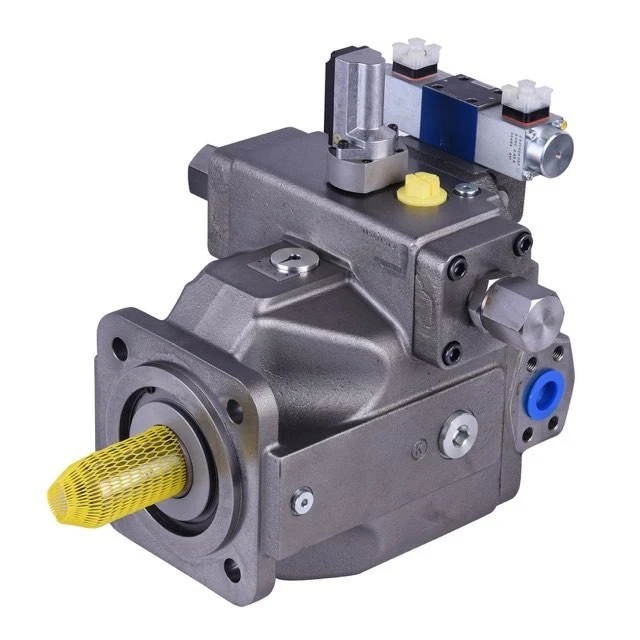
- Factory Direct Sales Hydraulic Equipment Rexroth A4VSO Series Hydraulic Rotary Piston Flow Meter Pump
Conclusion
In conclusion, the angle of the propeller vane relative to the shaft has a profound impact on the performance of a propeller. It affects lift and thrust generation, efficiency, and the likelihood of cavitation. Choosing the right pitch angle is crucial for optimizing performance in different applications.
If you're looking for high-quality propeller vanes or have any questions about propeller performance, don't hesitate to reach out. We're here to help you find the best solutions for your needs. Let's start a conversation and see how we can work together to improve your propeller's performance.
References
- Smith, J. (2018). Propeller Aerodynamics. Cambridge University Press.
- Johnson, R. (2019). Marine Propulsion Systems. Elsevier.