


Hydraulic Valve
Your Professional Hydraulic Valve Supplier!
Established in 2012, Wuhan Xinlaifu Hydraulic Equipment Co., Ltd. stands as one of China's pioneering enterprises specializing in the research, development, manufacturing, and distribution of hydraulic pumps. Under the brand "Xinlaifu," the company has dedicated itself to advancing hydraulic technology, focusing on hydraulic pumps, motors, and components, while striving to deliver superior hydraulic solutions to a global clientele.

Global Reach
Over the past 12 years, Xinlaifu has served over 10,000 enterprises across 100+ cities in China and exported its renowned XLF series plunger pumps (including A2F, A4V, A6V, A7V, A8V, A10V, and A11V models) to markets in Canada, the U.S., Mexico, Brazil, Norway, Italy, France, the UK, Russia, South Africa, Kenya, Saudi Arabia, and beyond.
Professional Team
We have over 300 employees and a dedicated hydraulic pump R&D center, bringing together a team of experienced technical experts committed to continuous innovation to meet ever-changing market demands.
Wide Applications
Xinlaifu's hydraulic pumps are trusted in critical industries such as steel production, power generation, construction and mining machinery, industrial equipment, metallurgy, injection molding, oil drilling.
Quality Assurance
With ISO 9001 quality management system certification, we ensure that every product meets strict international standards, guaranteeing consistent and reliable product quality.
Specification
|
Nom.Pressure (MPa) |
Max.Pressure (MPa) |
Nom.Flow rate (L/min) |
Max.Flow rate (L/min) |
Back Pressure (MPa) |
Hydraulic Oil |
||
|
Tem.rang (℃) |
Visc.rang (mm2/S) |
Filtrating Accuracy (μm) |
|||||
|
20 |
31.5 |
70 |
70 |
≤1 |
-20~+80 |
10~400 |
≤10 |
Advantages of Hydraulic Valves
Hydraulic Valves Have a Simple and Compact Structure
Hydraulic valves are small enough to fit into corners and places that are difficult to access. They can fit into your pipeline at almost any point and won't take up extra space once installed.
Smooth and Reliable Hydraulic Transmission
Hydraulic systems offer the silky-smooth fluidity of liquid power transmission, so you can depend on a tight-sealing hydraulic valve for years to come.
Large Output Torque
Hydraulic power means extra power. Having more torque in valve actuation means that hydraulic valves can service fast flow rates and overcome high pressures easily.
Adjustable Output Torque
The output torque can be precisely adjusted by the constant pressure relief valve, including the adjustment of opening and closing torque, which can even be directly reflected by the hydraulic meter.
Convenient Speed Regulation
Regulating the flow rate is another important advantage of hydraulic valves. If your application demands articulate actuation and precise flow regulation, you should consider using hydraulic valves.
Our Best-Selling Hydraulic Valve Types
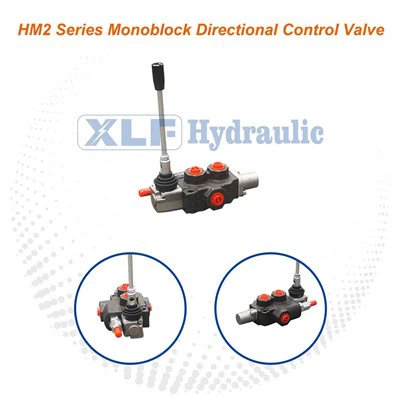
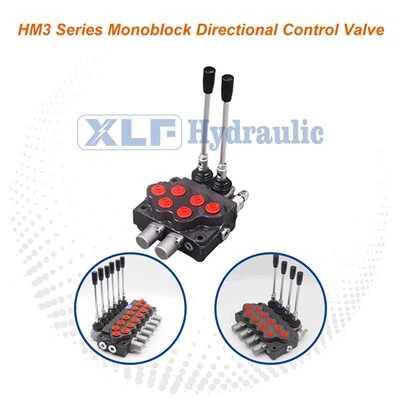
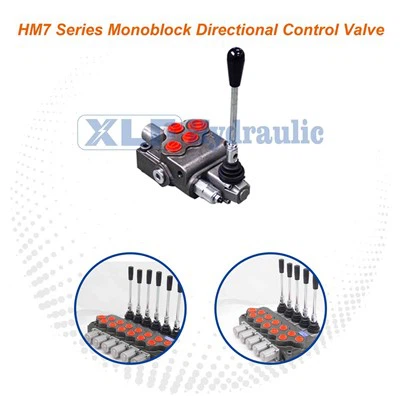
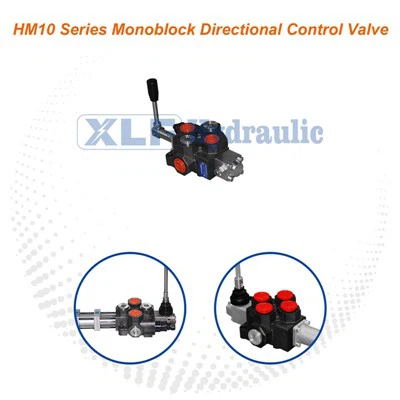
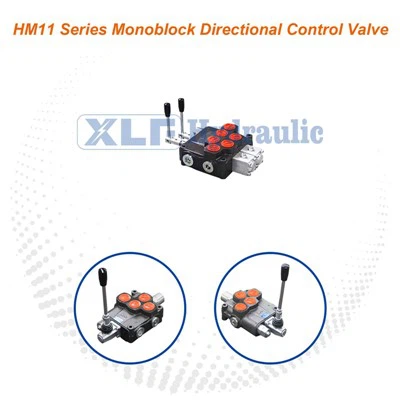
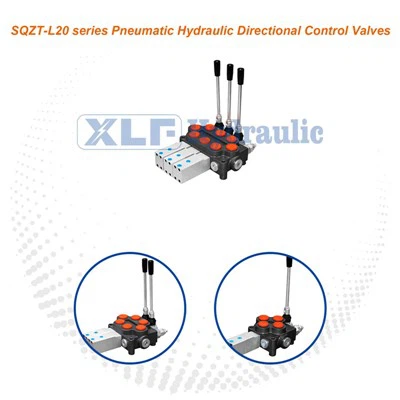
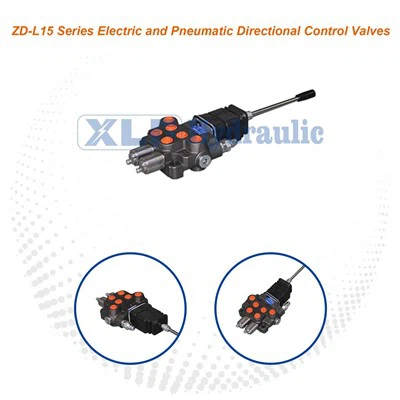
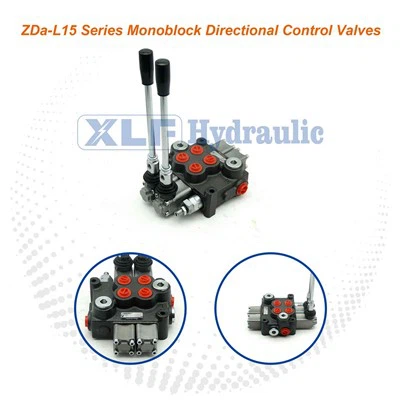
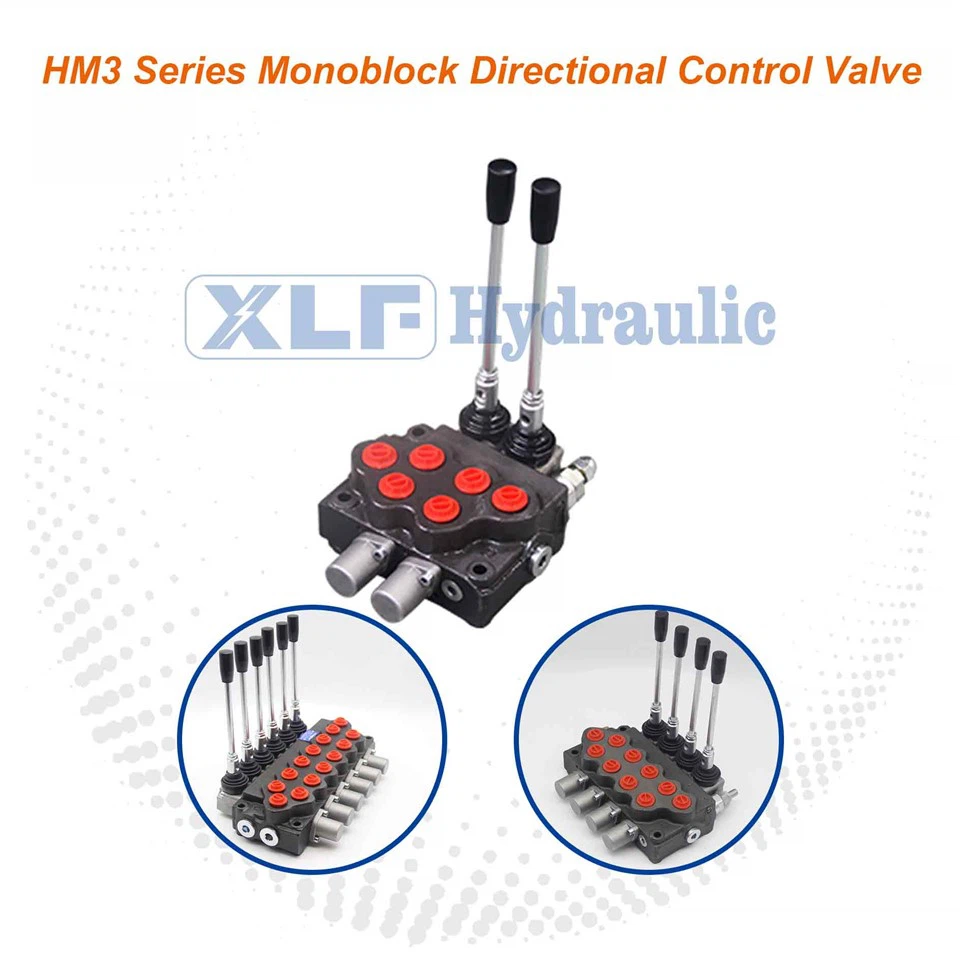
Monoblock Control Valves
These are used to control the flow and direction of hydraulic fluid in a hydraulic system. Monoblock valves are available in a variety of configurations, including directional control valves, pressure control valves, flow control valves, and check valves.
Sectional Control Valves
Sectional valve offers multi-function control valve method to solve hydraulic circuit system requirement. The compact construction design is one of strong features for sectional directional control valves include other features, such as low pressure drop, high efficiency.
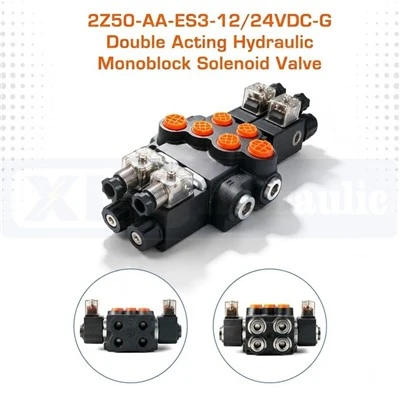
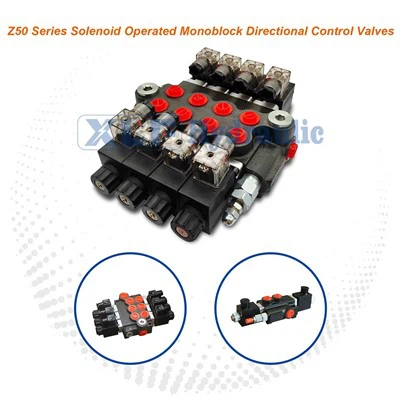
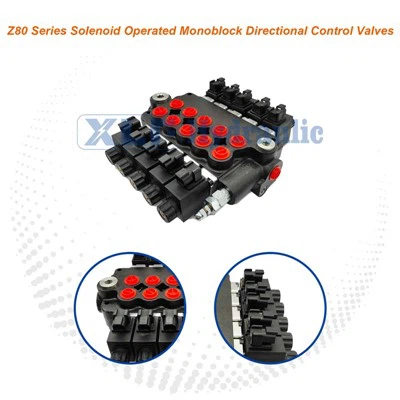
Solenoid Sectional Diverter Control Valve
A solenoid sectional diverter control valve is a type of hydraulic valve that uses a solenoid to control the flow of hydraulic fluid, directing it to different circuits or actuators within a system. It's a "sectional" valve, meaning it's built from multiple modules or sections, allowing for customization and flexibility in system design.
Basic Principles of Hydraulic Valve
Hydraulic valves use actuating mechanisms that open, close, or regulate the valve using hydraulic force. They consist of three main parts: control, power, and actuator. The control part is composed of a pressure control valve, a flow control valve, a directional control valve, and an electrical control system. The power part is composed of a motor or pneumatic motor, hydraulic pump, fuel tank, and other components. It converts the effective power on the rotating shaft of an electric or pneumatic motor into fluid pressure energy that is hydraulically transmitted. There are two kinds of actuators. One is the hydraulic cylinder actuator, which makes reciprocating linear motion. The other is the hydraulic motor actuator, which makes rotary motion.
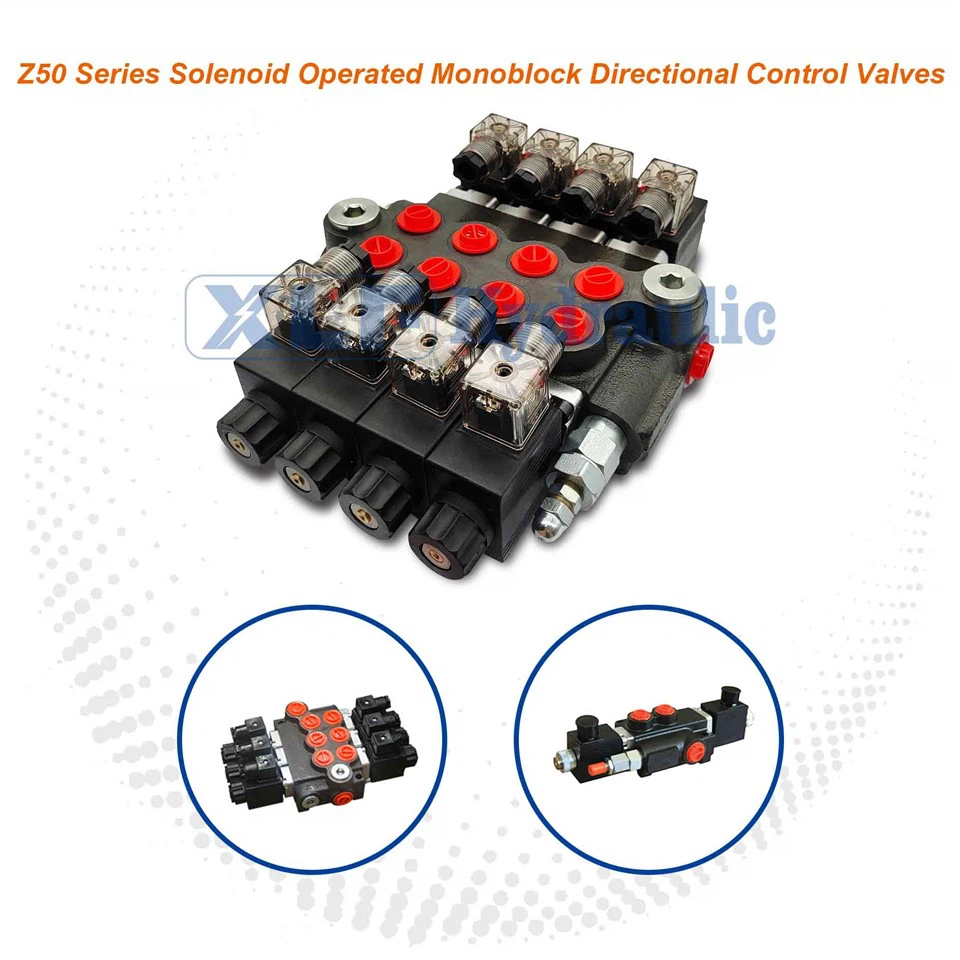
Valve body: The main body of the valve, usually made of steel or cast iron, to provide a connection point for the hydraulic pipeline.
Control spool: Control valve body moving parts, by opening, closing part of the blocked path to guide the flow of hydraulic fluid.
Actuator: The mechanism used to move the spool or lift the spool. It can be
● Manual: Lever or handwheel operation.
● Mechanical: Operated by a cam or linkage.
● Hydraulic: Actuated by another hydraulic fluid.
● Pneumatic: Actuated by compressed air.
● Electrical: Electromagnetically operated.
Seals and o-rings: Ensure that hydraulic fluid does not leak from the valve.
Spring: The spring is generally used to return the spool to its initial position after the actuator force has been removed.
Uses of Hydraulic Valve
Hydraulic valves regulate the flow of fluid through hydraulic systems.
It can be used to switch to required pressure.
It can regulate or restrict the direction of fluid flow.
Packaging and Shipping
|
Packaging |
Wooden box, PE film |
|
Transportation methods |
Road transport, rail transport, sea transport, air transport |
Video