If you've ever worked with hydraulic systems for industrial machinery, construction equipment, or material handling gear, you've likely crossed paths with Oilgear components. For decades, Oilgear has been a trusted name for reliable, high-performance hydraulic pumps, valves, and power packs, but every business hits a point where they need alternatives-whether it's to cut maintenance costs, source parts faster, or find a better fit for custom machinery builds. As a supplier focused specifically on Oilgear alternatives, I've talked to hundreds of maintenance managers, equipment OEMs, and field operators who've wrestled with this exact question: Can you recommend Oilgear alternatives that don't sacrifice performance or reliability?
Let's start with the most common pain point that pushes people to look for alternatives. Oilgear parts are durable, but their lead times can stretch for weeks or even months when a critical pump or valve breaks down on a production line. A single unplanned outage can cost thousands of dollars in lost output, so waiting for a custom-ordered Oilgear part isn't just inconvenient-it's a financial hit. I recently spoke with a manufacturing plant manager who runs a 20-year-old stamping press; their original Oilgear pump failed on a Tuesday afternoon, and waiting for a replacement from the Oilgear authorized distributor meant shutting down the line for four days. That's when he started researching alternatives, and that's the story I hear again and again. Other drivers are cost: genuine Oilgear spare parts often carry a premium, and for businesses with multiple pieces of older equipment, those costs add up quickly. Plus, some newer machinery designs call for slightly different pressure ranges or flow rates that older Oilgear units just don't match.
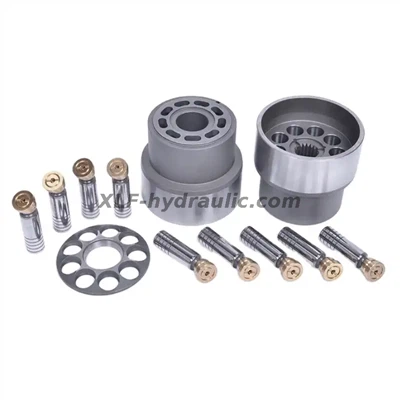
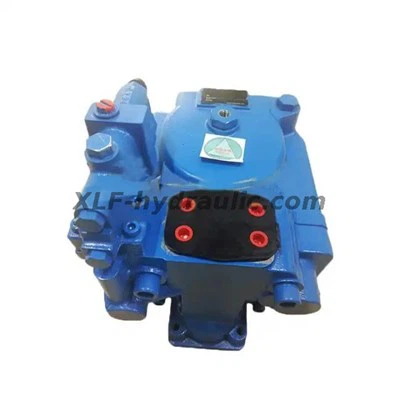
The good news is that there are high-quality Oilgear alternatives that are engineered to fit, perform, and even outlast the original parts, without the long wait times or steep price tags. The key is to look for alternatives that are cross-compatible with existing Oilgear mounting patterns, port sizes, and control logic. That's where our line of parts comes in, and one of our most popular offerings is the PVG Series Hydraulic Pump Hydraulic Power Pack Spare Parts, which you can find in detail at this link: /hydraulic-spare-parts/oilgear-alternatives/pvg-series-hydraulic-pump-hydraulic-power.html. This series is designed specifically to interchange with Oilgear's most common models, so there's no need to modify your existing power pack or hydraulics system to install it. We've tested the PVG Series side-by-side with Oilgear units in field conditions, and in most cases, it delivers equal or better flow consistency, pressure stability, and overall efficiency.
But the PVG Series is far from the only reliable Oilgear alternative. Let's break down the most common categories of hydraulic components and the best alternatives for each use case:
Pumps are the backbone of any hydraulic system, and Oilgear piston pumps are a staple in heavy-duty applications like construction, mining, and industrial presses. For these, look for axial piston pumps with matching displacements and pressure ratings (typically 2000 to 5000 PSI for most Oilgear models) that feature interchangeable flange mounts and SAE port sizes. Many newer pump alternatives also include efficiency upgrades, like optimized valve plates and low-friction seals, which can reduce energy use by 5-10% compared to older Oilgear units. That's a big win for businesses looking to lower long-term operational costs. We've also found that these alternative pumps tend to have longer service intervals when paired with the right fluid and regular maintenance, which means fewer breakdowns over time.
Valves, particularly directional control valves, are another area where operators seek Oilgear alternatives. Oilgear's valves are known for precise control, but replacement parts and service kits can be hard to source quickly. The best alternatives here are modular directional control valves that use the same spool configurations and valve body mounting patterns as Oilgear's PVG and LF Series valves. Modular design is a huge benefit because it lets you swap individual spools or seals without replacing the entire valve, which cuts maintenance time and costs drastically. For example, if a spool in your Oilgear valve sticks, instead of waiting three weeks for a genuine spool kit, you can install a matching alternative spool in 15 minutes and get your system back up and running. We've seen this solve so many urgent maintenance issues, which is why modular valves are one of our top recommended Oilgear alternatives for on-site repair teams.
Power packs, which combine pumps, reservoirs, filters, and valves into a single unit, are another area where alternatives make sense. Many businesses have older Oilgear power packs that are underperforming, either because the original pump is wearing out or the design doesn't match current efficiency standards. When looking for a power pack alternative, prioritize units that are built with interchangeable mounting pads for existing Oilgear power packs-this eliminates the need for custom fabrication during installation. Also, look for power packs that integrate modern filtration and cooling systems, which extend the life of all hydraulic components. Our PVG Series power pack line, linked earlier, is built to fit Oilgear power pack enclosures, so you can replace the entire core unit without modifying your existing tank or frame. That's a game-changer for businesses that want a quick, bolt-on replacement.
Now, let's talk about what to avoid when choosing Oilgear alternatives. Not all "compatible" parts are created equal. I've seen operators buy cheap, untested pumps that fit the mount but don't match the pressure output, leading to system damage or inconsistent performance. The red flags here are no third-party performance testing, no warranty, and parts that are made with substandard materials (like low-grade castings that crack under heavy pressure). Always look for alternatives that are engineered to meet or exceed ISO hydraulic standards-this ensures they can handle the same load requirements as Oilgear parts. Also, avoid parts that require major modifications to your system; if an alternative pump needs you to drill new holes in your power pack or change your hydraulic lines, it's probably not a good long-term solution. That's why cross-compatibility is non-negotiable for most businesses.
I mentioned earlier that our team works a lot with older equipment, and a common question I get is: "Will an Oilgear alternative work on my 15-year-old machine?" The answer is almost always yes, as long as you take the time to match the key specifications. Older Oilgear systems typically have standard SAE port sizes and flange mounts, so alternatives that are designed to fit those specs will work without issues. Where you do need to be careful is with controls: if your Oilgear system uses electronic control modules, make sure the alternative valve or pump has a compatible control input (voltage, signal type) so you don't have to rewire your entire system. Most modern alternatives include universal control options, but it's always a good idea to ask for cross-compatibility details before purchasing.
Another point to consider is total cost of ownership, not just upfront price. A genuine Oilgear pump might cost 20% more than an alternative, but if the alternative has a 2-year warranty and the Oilgear pump only has a 1-year warranty, the difference in long-term cost shrinks. Add in the cost of downtime for waiting for Oilgear parts, and many businesses save money by choosing alternatives right off the bat. We recently had a customer who ran six material handling cranes with Oilgear pumps; switching to our alternative pumps cut their annual parts and maintenance costs by 18%, and they haven't had an unplanned outage from a pump failure in 18 months. That's the kind of value that makes alternatives worth considering.
If you're still unsure what the right Oilgear alternative is for your specific system, the best step is to reach out to a supplier that specializes in cross-compatible hydraulic parts, like our team. We offer free system assessments, where we can match your existing Oilgear model number to the exact alternative that fits, performs, and is backed by a solid warranty. We also stock most of our popular parts (including the PVG Series line) in our warehouse, so you can get them in 1-2 days, not 2-3 weeks. That speed alone is a huge advantage for any business that can't afford to wait for critical parts.


At the end of the day, the goal of choosing an Oilgear alternative isn't just to save money-it's to keep your hydraulic systems running reliably, with less hassle and lower long-term costs. Oilgear has served the industry well for decades, but the right alternative can provide better fit, faster availability, and equal or better performance. The key is to choose parts that are engineered for cross-compatibility, meet industry standards, and come with the support you need for installation and maintenance.
If you're ready to explore Oilgear alternatives for your hydraulic systems, or you have questions about specific components, we're here to help. Reach out to our team to discuss your needs, and we'll provide tailored recommendations, part cross-references, and fast shipping on all our in-stock parts. Whether you need a single replacement pump for a small machine or a full set of valves for an entire production line, we've got the solutions you need to keep your operations running smoothly.
References:
- Hydraulic Institute. (2022). "Cross-Compatibility Standards for Industrial Hydraulic Components." Hydraulic Industry Technical Report.
- Machinery Lubrication Magazine. (2023). "Total Cost of Ownership: Evaluating Hydraulic Part Alternatives." Industrial Maintenance Publication.
- International Organization for Standardization. (2021). "ISO 4409: Hydraulic Fluid Power-Pumps and Motors-Declaration and Verification of Performance." ISO Standard.