As a supplier of single speed pumps, I often get asked about the pressure range of these essential pieces of equipment. Understanding the pressure range of a single speed pump is crucial for various applications, from industrial processes to residential use. In this blog post, I'll delve into the factors that determine the pressure range of a single speed pump, typical pressure ranges, and how to choose the right pump for your specific needs.
Factors Affecting the Pressure Range of a Single Speed Pump
Several factors influence the pressure range of a single speed pump. These include the pump's design, the type of fluid being pumped, and the application requirements.
Pump Design
The design of a single speed pump plays a significant role in determining its pressure range. Different types of pumps, such as centrifugal pumps, positive displacement pumps, and axial piston pumps, have different pressure capabilities.
Centrifugal pumps are commonly used for low to medium-pressure applications. They work by converting rotational energy from an impeller into kinetic energy, which is then converted into pressure energy. The pressure range of centrifugal pumps typically ranges from a few psi (pounds per square inch) to several hundred psi.

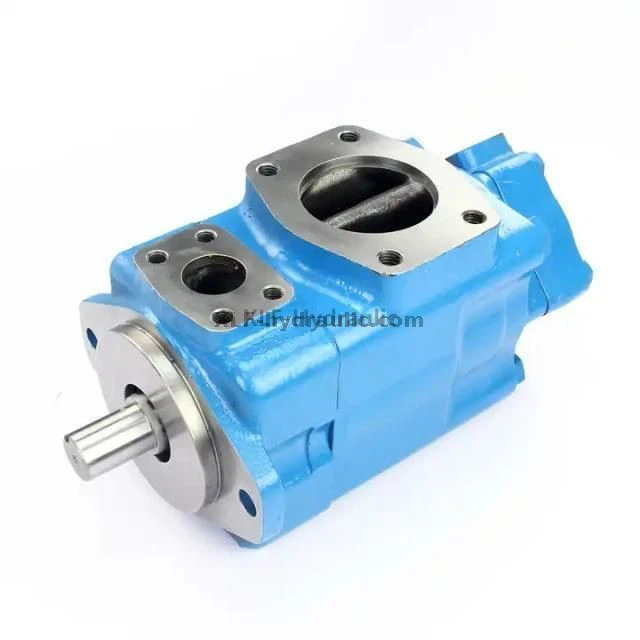
Positive displacement pumps, on the other hand, are designed to handle higher pressures. They work by trapping a fixed amount of fluid and then forcing it into the discharge pipe. Positive displacement pumps can achieve pressures ranging from several hundred psi to several thousand psi, depending on the design and application.
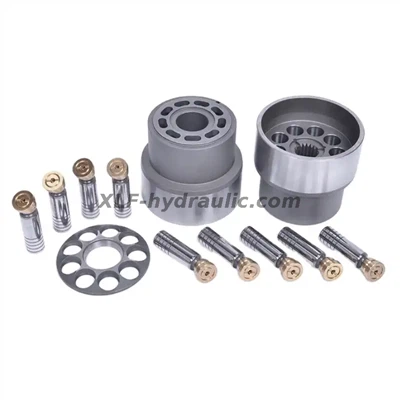
Axial piston pumps are a type of positive displacement pump that is commonly used in high-pressure hydraulic systems. They are known for their high efficiency and ability to handle high pressures. Axial piston pumps can achieve pressures ranging from 1000 psi to over 5000 psi.
Fluid Properties
The properties of the fluid being pumped also affect the pressure range of a single speed pump. Viscosity, density, and temperature are some of the key fluid properties that can impact pump performance.
Viscosity is a measure of a fluid's resistance to flow. High-viscosity fluids require more energy to pump and can cause the pump to work harder, resulting in lower flow rates and higher pressures. On the other hand, low-viscosity fluids are easier to pump and can allow the pump to operate at lower pressures.
Density is a measure of a fluid's mass per unit volume. Heavier fluids require more energy to pump and can cause the pump to work harder, resulting in higher pressures. Temperature can also affect the viscosity and density of a fluid, which can in turn impact pump performance.
Application Requirements
The specific application requirements also play a crucial role in determining the pressure range of a single speed pump. Different applications have different pressure requirements, and it's important to choose a pump that can meet these requirements.
For example, in a water supply system, the pressure range of the pump will depend on the height of the building, the distance the water needs to be pumped, and the flow rate required. In an industrial process, the pressure range of the pump will depend on the specific process requirements, such as the pressure needed to operate a hydraulic press or the pressure needed to inject chemicals into a reactor.
Typical Pressure Ranges of Single Speed Pumps
The pressure range of a single speed pump can vary widely depending on the factors mentioned above. Here are some typical pressure ranges for different types of single speed pumps:
Centrifugal Pumps
- Domestic water supply: 10 - 100 psi
- Industrial water circulation: 50 - 300 psi
- Irrigation systems: 20 - 100 psi
Positive Displacement Pumps
- Oil and gas production: 1000 - 5000 psi
- Chemical processing: 500 - 3000 psi
- Food and beverage processing: 100 - 1000 psi
Axial Piston Pumps
- Hydraulic machinery: 1000 - 5000 psi
- Construction equipment: 2000 - 5000 psi
- Aerospace applications: 3000 - 5000 psi
Choosing the Right Single Speed Pump for Your Application
When choosing a single speed pump for your application, it's important to consider the following factors:
Pressure Requirements
Determine the minimum and maximum pressure requirements of your application. This will help you narrow down your choices and select a pump that can meet your pressure needs.
Flow Rate Requirements
In addition to pressure, you also need to consider the flow rate requirements of your application. The flow rate is the volume of fluid that the pump can deliver per unit of time. Make sure to choose a pump that can deliver the required flow rate at the desired pressure.
Fluid Properties
Consider the properties of the fluid being pumped, such as viscosity, density, and temperature. This will help you select a pump that is compatible with the fluid and can operate efficiently.
Application Environment
The application environment can also impact pump performance. Consider factors such as temperature, humidity, and the presence of corrosive substances. Choose a pump that is designed to withstand the conditions of your application environment.
Our Single Speed Pump Offerings
As a supplier of single speed pumps, we offer a wide range of pumps to meet the diverse needs of our customers. Our product portfolio includes centrifugal pumps, positive displacement pumps, and axial piston pumps.
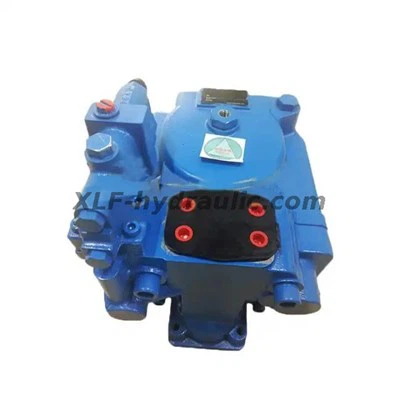
One of our popular products is the 249-7013 Hydraulic Vertical Propeller Pump for CAT Wheel Loaders. This pump is designed for high-pressure hydraulic systems and can achieve pressures of up to 3000 psi. It is known for its high efficiency and reliability, making it a popular choice for construction equipment.
Another product in our portfolio is the CAT 6E2932 Replacement Fixed Speed Pump 936 Fits Aftermarket Tractor Part. This pump is a replacement for the original equipment manufacturer (OEM) pump and is designed to fit aftermarket tractors. It can achieve pressures of up to 2500 psi and is known for its durability and performance.
We also offer the CAT 9J5067 Hydraulic Hand Piston Pump Group VQ Vickers Pump for Wheel Loaders. This pump is a high-pressure hydraulic pump that is designed for use in wheel loaders. It can achieve pressures of up to 5000 psi and is known for its compact design and high efficiency.
Contact Us for Your Single Speed Pump Needs
If you're in the market for a single speed pump, we'd love to help you find the right solution for your application. Our team of experts can provide you with detailed information about our products, including pressure ranges, flow rates, and compatibility with different fluids.
Contact us today to discuss your single speed pump requirements and to get a quote. We look forward to working with you to meet your pumping needs.
References
- Pump Handbook, by Igor J. Karassik, Joseph P. Messina, Paul Cooper, and Charles C. Heald
- Hydraulic Systems and Fluid Power: Theory and Applications, by George E. Dieter and J. Douglas Plummer
- Centrifugal Pumps: Design and Application, by Heinz P. Bloch and Fred K. Geitner