As a supplier of Rexroth A8VO pumps, I've encountered a wide range of issues over the years. These pumps are renowned for their high - performance and reliability in various hydraulic systems. However, like any mechanical equipment, they are prone to certain common faults. In this blog, I'll discuss these typical problems and share effective troubleshooting methods.
1. Low Output Flow
One of the most common issues with Rexroth A8VO pumps is low output flow. This can significantly affect the performance of the entire hydraulic system.
Possible Causes
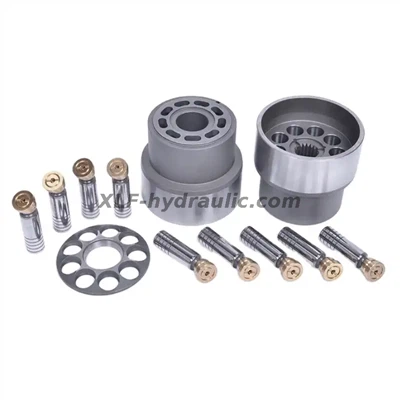
- Worn Pump Components: Over time, the pistons, cylinder blocks, and valve plates can wear out. This wear leads to internal leakage, reducing the amount of hydraulic fluid that can be effectively pumped. For example, if the piston seals are damaged, fluid can leak back into the pump's inlet side instead of being pushed out through the outlet.
- Clogged Filters: The suction or return filters in the hydraulic system can become clogged with dirt, debris, or contaminants. A clogged suction filter restricts the flow of fluid into the pump, while a clogged return filter can cause back - pressure issues, both of which result in reduced output flow.
- Incorrect Pump Setting: The displacement setting of the A8VO pump might be adjusted incorrectly. If the swashplate angle is not set properly, the pump will not be able to displace the correct volume of fluid.
Troubleshooting Steps
- Inspect and Replace Worn Components: Disassemble the pump and carefully examine the pistons, cylinder blocks, and valve plates. Look for signs of excessive wear, such as scoring or pitting. Replace any worn - out parts with genuine Rexroth components to ensure optimal performance.
- Clean or Replace Filters: Check the suction and return filters regularly. If they are clogged, clean them according to the manufacturer's instructions or replace them with new ones. This simple step can often restore normal pump flow.
- Verify Pump Settings: Use the appropriate tools to check and adjust the swashplate angle. Refer to the pump's technical manual for the correct setting values based on your specific application.
2. High Noise Level
Excessive noise from a Rexroth A8VO pump is another common problem that indicates potential issues within the pump.
Possible Causes
- Cavitation: Cavitation occurs when the pressure in the hydraulic fluid drops below its vapor pressure, causing the formation of vapor bubbles. These bubbles then collapse when they reach a higher - pressure area, creating a loud noise. Cavitation can be caused by a clogged suction line, a low fluid level in the reservoir, or a high - speed operation with insufficient fluid supply.
- Mechanical Wear: Worn bearings, loose bolts, or misaligned components can also generate noise. For instance, if the pump's bearings are worn, they can produce a grinding or rattling sound as the pump operates.
- Air in the System: Air entrainment in the hydraulic fluid can cause noisy operation. Air bubbles compress and expand within the pump, creating a characteristic popping or hissing sound.
Troubleshooting Steps
- Address Cavitation Issues: Check the suction line for any restrictions or blockages. Ensure that the fluid level in the reservoir is sufficient. If necessary, increase the diameter of the suction line or reduce the pump's operating speed to prevent cavitation.
- Inspect and Tighten Components: Examine the pump's bearings, bolts, and other mechanical components. Replace any worn bearings and tighten all loose bolts. Make sure that all components are properly aligned to eliminate noise caused by misalignment.
- Bleed the System: To remove air from the hydraulic system, open the bleed valves at the appropriate locations. Run the pump at a low speed and allow the air to escape until only fluid is flowing out of the bleed valves.
3. Overheating
Overheating of the Rexroth A8VO pump can lead to premature component failure and reduced system efficiency.
Possible Causes
- Excessive Internal Leakage: As mentioned earlier, worn pump components can cause internal leakage. This leakage results in additional energy being dissipated as heat, causing the pump to overheat.
- High Operating Pressure: If the pump is operating at a pressure higher than its rated capacity, it will generate more heat. This can be due to a malfunctioning pressure relief valve or an incorrect system pressure setting.
- Inadequate Cooling: Insufficient cooling of the hydraulic fluid can also cause the pump to overheat. This may be due to a malfunctioning cooler, a blocked radiator, or a low - flow rate through the cooling system.
Troubleshooting Steps
- Repair Internal Leakage: Disassemble the pump and identify the source of the internal leakage. Replace any worn or damaged components to reduce leakage and heat generation.
- Check and Adjust Pressure: Test the pressure relief valve to ensure it is functioning correctly. Adjust the system pressure to the pump's rated value. If the pressure relief valve is faulty, replace it with a new one.
- Improve Cooling: Inspect the cooler and radiator for any blockages. Clean or replace them if necessary. Check the flow rate of the cooling fluid and ensure that it is sufficient to maintain the pump at a proper operating temperature.
4. Erratic Pump Operation
Erratic operation, such as sudden changes in output pressure or flow, can disrupt the normal functioning of the hydraulic system.


Possible Causes
- Electrical Malfunctions: If the pump has an electronically controlled variable displacement mechanism, electrical issues can cause erratic operation. Faulty sensors, wiring problems, or a malfunctioning control module can all lead to inconsistent pump performance.
- Contaminated Hydraulic Fluid: Contaminants in the hydraulic fluid can interfere with the operation of the pump's internal components. For example, dirt particles can get stuck in the control valves, causing them to open or close at the wrong times.
- Mechanical Binding: There may be mechanical binding in the pump's moving parts, such as the swashplate or the control lever. This can prevent the pump from operating smoothly and result in erratic behavior.
Troubleshooting Steps
- Check Electrical Systems: Inspect all electrical connections, sensors, and the control module. Use a multimeter to test for proper voltage and continuity. Replace any faulty electrical components.
- Filter and Replace Hydraulic Fluid: Drain the contaminated hydraulic fluid and replace it with clean, high - quality fluid. Install a new filter to prevent future contamination.
- Remove Mechanical Binding: Disassemble the pump and check for any signs of mechanical binding. Lubricate the moving parts and ensure that they can move freely. Adjust or replace any components that are causing the binding.
In addition to the Rexroth A8VO pumps, we also offer a variety of other high - quality hydraulic pumps, such as the Hydraulic Axial Piston Dosing Pump 155 5109 For CAT Backhoe Loader 416C 426C, V10 V20 Series Hydraulic Piston Displacement Pump for Crawler Excavator CAT, and HUIDA 1126564 Hydraulic Axial Flow Piston Pump for CAT Backhoe Loader 426C 436C.
If you are experiencing any issues with your Rexroth A8VO pump or are interested in purchasing our hydraulic pumps, please feel free to contact us for more information and to start a procurement discussion. We are committed to providing you with the best products and services to meet your hydraulic system needs.
References
- Rexroth A8VO Pump Technical Manual
- Hydraulic System Design and Maintenance Guides