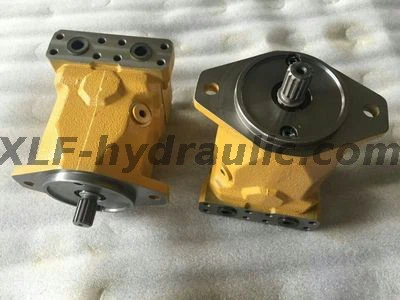
As a reputable axial piston motor supplier, I understand the importance of a proper installation process. An axial piston motor is a critical component in many hydraulic systems, and its correct installation can significantly impact the overall system performance and longevity. In this blog post, I will guide you through the step - by - step process of installing an axial piston motor.
Step 1: Preparation
Before you start the installation, it is essential to gather all the necessary tools and materials. You will need a set of wrenches, a torque wrench, a sealant, a clean cloth, and a hydraulic fluid suitable for your motor. Make sure to refer to the motor's manual for the specific type of hydraulic fluid recommended.
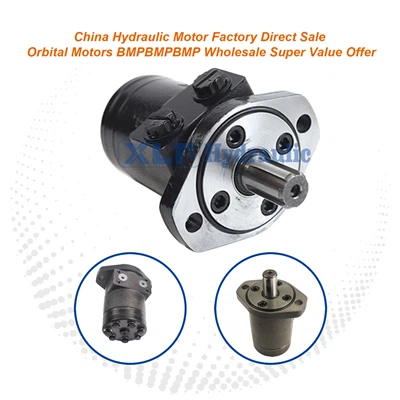
Inspect the motor thoroughly for any visible damage during transportation. Check the ports, shaft, and housing for cracks, dents, or other signs of wear. If you find any issues, contact our support team immediately. We offer a wide range of high - quality axial piston motors, such as the BMK2 Gerotor Hydraulic Motor - Danfoss Eaton Charlynn 2000 Series Interchangeable, which are built to strict quality standards.
Step 2: Mounting the Motor
The first step in the actual installation is to mount the axial piston motor. Select a suitable mounting surface that is flat, clean, and free from debris. The mounting surface should be able to withstand the motor's operating forces without deformation.
Place the motor on the mounting surface and align the mounting holes. Insert the mounting bolts through the holes and hand - tighten them initially. Do not fully tighten the bolts at this stage. Use a torque wrench to tighten the bolts to the specified torque value as stated in the motor's manual. Over - tightening or under - tightening the bolts can lead to uneven stress distribution and potential damage to the motor.
Step 3: Connecting the Hydraulic Lines
Once the motor is securely mounted, it's time to connect the hydraulic lines. Identify the inlet and outlet ports on the motor. Usually, the inlet port is marked for the high - pressure hydraulic fluid, and the outlet port is for the return fluid.
Clean the ports thoroughly using a clean cloth to remove any dirt or debris. Apply a small amount of sealant to the threads of the hydraulic fittings. Connect the high - pressure line to the inlet port and the return line to the outlet port. Use the appropriate wrenches to tighten the fittings, but be careful not to overtighten them, as this can damage the threads.
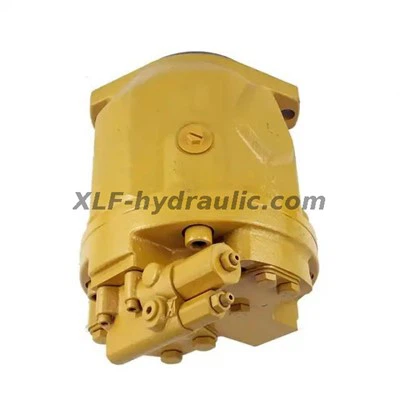
For more complex hydraulic systems, you may need to use additional components such as valves and filters. Ensure that these components are correctly installed and connected in the hydraulic circuit. Our product range includes various types of axial piston motors, like the Rexroth A10FM Hydraulic Axial Pison Fixed Displacement Motor Crawler Bulldozers, which can be integrated into different hydraulic setups.
Step 4: Shaft Connection
The shaft of the axial piston motor needs to be properly connected to the driven equipment. Check the shaft diameter and keyway dimensions of both the motor and the driven equipment to ensure a proper fit.
If a coupling is required, select the appropriate type of coupling based on the application requirements. Install the coupling on the motor shaft and the driven equipment shaft according to the coupling manufacturer's instructions. Make sure the coupling is aligned correctly to prevent misalignment, which can cause excessive vibration and premature wear of the motor and the driven equipment.
Step 5: Testing the Motor
After the installation is complete, it's time to test the motor. Fill the hydraulic system with the recommended hydraulic fluid. Check for any leaks around the motor ports, fittings, and connections. If you find any leaks, tighten the fittings or replace the seals as necessary.
Start the hydraulic system slowly and gradually increase the pressure. Monitor the motor's operation for any abnormal noises, vibrations, or temperature rise. Check the motor's speed and torque output to ensure they are within the specified range.
If you encounter any problems during the testing phase, refer to the motor's troubleshooting guide. Our technical support team is also available to assist you. We also supply motors like the Charlynn 4k Motor HD712 - 06001 4 - 200ACAS - F9128 Hydraulic Motor, and we have in - depth knowledge about their operation and installation.

Step 6: Maintenance and Follow - Up
Proper maintenance is crucial for the long - term performance of the axial piston motor. Regularly check the hydraulic fluid level and quality. Replace the hydraulic fluid at the recommended intervals to prevent contamination and ensure smooth operation.
Inspect the motor's mounting bolts periodically to ensure they are still tightened to the correct torque. Check the seals and gaskets for signs of wear and replace them if necessary.
We, as an axial piston motor supplier, are committed to providing high - quality products and excellent after - sales service. If you are in the market for an axial piston motor or need further advice on installation and maintenance, we encourage you to contact us for procurement and in - depth discussions. Our team of experts is ready to assist you in finding the most suitable motor for your application and guiding you through the entire process.
References
- Manufacturer's manuals of axial piston motors
- Hydraulic system design and installation guidelines
So, don't hesitate to reach out to us for all your axial piston motor needs. We look forward to working with you!