Hey there! I'm an axial displacement pump supplier, and I'm super stoked to chat with you about one of the most interesting things in our field: converting a fixed - displacement axial pump to a variable - displacement one.
First off, let's get the basics down. You might be wondering, "What's the big deal between fixed - displacement and variable - displacement pumps anyway?" Well, a fixed - displacement pump is like a one - trick pony. It moves a set amount of fluid with every rotation. Once it's set up, it keeps pumping that same volume, no matter what. This can be great for some applications where you need a constant flow, but it's not always the most flexible option.
On the other hand, a variable - displacement pump is like a Swiss Army knife. It can adjust the amount of fluid it pumps based on the system's needs. This is super useful in situations where the demand for fluid flow changes a lot. You can save energy, reduce wear and tear on the system, and improve overall efficiency.
So, why would you want to convert a fixed - displacement axial pump to a variable - displacement one? Maybe you've got an old machine that uses a fixed - displacement pump, but you want to upgrade it to be more energy - efficient. Or perhaps you have a process where the flow requirements vary, and you're tired of having a pump that can't keep up. Converting could be the solution you've been looking for.
Now, let's dive into the nitty - gritty of how to do this conversion. First, you need to assess the pump you have. Look at its specifications, like the maximum pressure it can handle, the flow rate, and its physical dimensions. This information will help you figure out what kind of conversion kit or modifications you'll need.
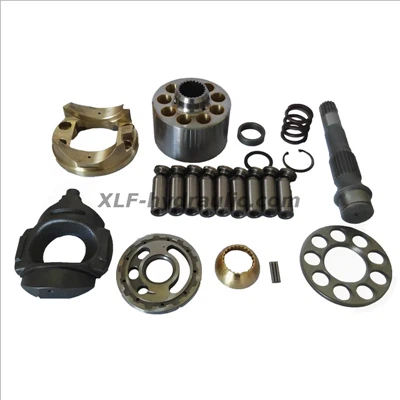
One of the key components in a variable - displacement pump is the swash plate. In a fixed - displacement pump, the swash plate is usually set at a fixed angle. To convert it, you'll need to find a way to adjust this angle. There are several ways to do this. One option is to install a servo - controlled mechanism that can change the swash plate angle based on the system's pressure or flow requirements. This allows the pump to adjust the displacement on the fly.
Another thing to consider is the control system. A variable - displacement pump needs a good control system to regulate the flow. You might need to install pressure sensors, flow meters, and a controller to monitor the system and adjust the pump accordingly. This can get a bit technical, but there are plenty of off - the - shelf control systems that you can use.
You'll also need to think about the hydraulic circuit. When you convert the pump, you might need to make some changes to the circuit to ensure that it works properly. This could involve adding or removing valves, adjusting the pipe sizes, or changing the way the fluid is routed. It's important to have a good understanding of hydraulics to make these changes safely and effectively.
But wait, before you start tearing your pump apart, it's a good idea to consult with a professional. You can talk to an engineer or a specialist in pump conversions. They can help you determine if the conversion is feasible and give you some tips on the best way to do it.
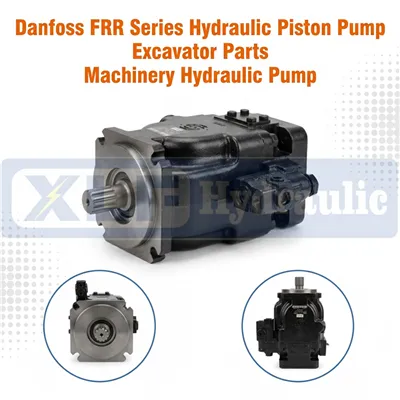
Now, I know all this talk about conversions can be a bit overwhelming. That's why we, as an axial displacement pump supplier, are here to help. We've got a wide range of products that can assist you in this process. For example, check out our Danfoss FRR Series Hydraulic Piston Pump Excavator Parts Machinery Hydraulic Pump. This pump is a great option for those looking to upgrade to a variable - displacement system. It's reliable and efficient, and it might be just what you need for your conversion.
Another great product we offer is the Rexroth PVB Axial Piston Pump Oil Type Swash Plate Piston Pump for Industrial Machinery. This pump has a high - quality design and can be easily integrated into a variable - displacement setup.
If you're into excavators, our For Excavators High Quality Parker Denison T7DS T7D Axial and Radial Piston Pump is a fantastic choice. It's built to handle the tough conditions of excavation work and can be a great addition to your system.
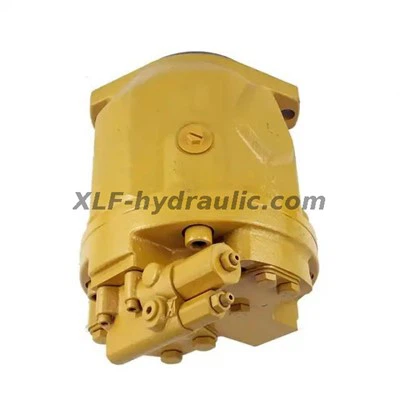
We also have the CAT PVH Series Constant Displacement Hydraulic Pump for Excavators. While it's a constant - displacement pump originally, with the right conversion, it can be transformed into a variable - displacement powerhouse.


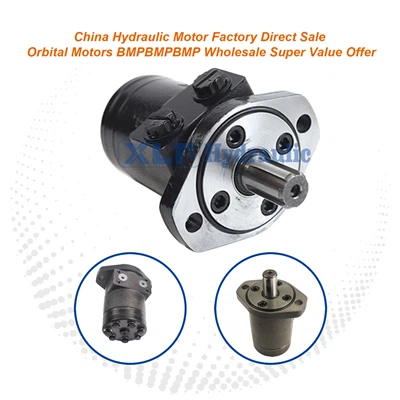
And for those working with sugarcane harvesters, our John Deere Sugarcane Harvester Gerotor Motor - CB11516604 High Pressure can be a valuable part of your hydraulic system.
If you're interested in making this conversion or have any questions about our products, don't hesitate to get in touch. We're here to answer all your queries and help you make the best decision for your needs. Whether you're a small - scale operator or a large industrial company, we've got the expertise and products to support you.
In conclusion, converting a fixed - displacement axial pump to a variable - displacement one can be a great way to improve the efficiency and flexibility of your hydraulic system. It might seem like a daunting task at first, but with the right knowledge and products, it's definitely achievable. So, take the plunge and start exploring the possibilities of a variable - displacement pump.
References:
- "Hydraulic Systems and Equipment" by various hydraulic engineering textbooks.
- Manufacturer's manuals for the pumps mentioned in the text.