Ensuring the safe transportation of electric piston pumps is crucial for maintaining their functionality and longevity. As a trusted supplier of electric piston pumps, we understand the significance of proper handling and shipping procedures. In this blog, we will delve into the essential steps and best practices to transport an electric piston pump safely, minimizing the risk of damage and ensuring it arrives at its destination in optimal condition.
Preparation Before Transportation
Inspection and Maintenance
Before packing the electric piston pump for transportation, a thorough inspection is essential. Check for any signs of wear, leaks, or damage to the pump's components. If any issues are detected, perform the necessary maintenance or repairs to prevent further problems during transit. Ensure that all fasteners are tightened, and the pump is in good working order. This step not only safeguards the pump during transportation but also ensures that it will function correctly upon arrival.
Cleaning
Clean the electric piston pump to remove any dirt, debris, or contaminants. This not only improves the appearance of the pump but also prevents the accumulation of foreign particles that could cause damage during transit. Use a suitable cleaning agent and a soft cloth to clean the exterior of the pump, paying special attention to the inlet and outlet ports.
Drainage
If the pump contains any fluid, such as hydraulic oil, it is important to drain it thoroughly before transportation. This reduces the weight of the pump and eliminates the risk of leakage during transit. Follow the manufacturer's instructions for draining the fluid safely and dispose of it properly.
Disassembly (if necessary)
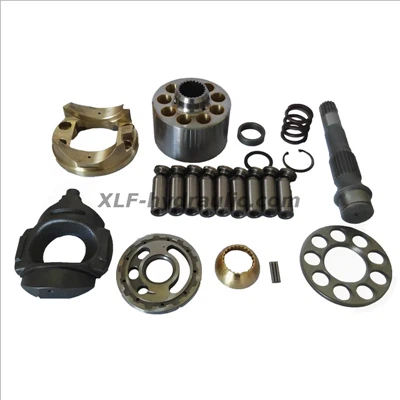
In some cases, it may be necessary to disassemble the electric piston pump into smaller components for easier transportation. This is especially true for large or complex pumps. However, disassembly should be done carefully, following the manufacturer's guidelines. Label each component clearly to ensure easy reassembly at the destination.
Packaging
Selecting the Right Packaging Materials
Choose high-quality packaging materials that provide adequate protection for the electric piston pump. This may include sturdy cardboard boxes, wooden crates, or foam padding. The packaging should be able to withstand the rigors of transportation, including shocks, vibrations, and changes in temperature and humidity.
Padding and Cushioning
Use appropriate padding and cushioning materials to protect the pump from damage during transit. Foam inserts, bubble wrap, or packing peanuts can be used to fill the empty spaces in the packaging and prevent the pump from moving around. Pay special attention to fragile components, such as the motor and control valves, and provide additional padding as needed.
Securing the Pump
Once the pump is placed in the packaging, secure it firmly to prevent it from shifting during transportation. Use straps, ropes, or brackets to hold the pump in place. Make sure that the packaging is sealed tightly to prevent dust, moisture, and other contaminants from entering.
Labeling
Label the packaging clearly with the following information:
- The name and model of the electric piston pump
- The destination address
- Handling instructions, such as "Fragile" or "This Side Up"
- Any special requirements or precautions
Transportation
Choosing the Right Carrier
Select a reliable and experienced carrier for transporting the electric piston pump. Consider factors such as the carrier's reputation, insurance coverage, and shipping options. Ensure that the carrier has the necessary equipment and expertise to handle the pump safely.
Mode of Transportation
The choice of transportation mode depends on various factors, such as the distance, the size and weight of the pump, and the urgency of delivery. Common modes of transportation for electric piston pumps include road, rail, air, and sea. Each mode has its own advantages and disadvantages, so it is important to choose the one that best suits your needs.
- Road Transportation: Road transportation is a popular choice for short to medium distances. It offers flexibility and door-to-door delivery options. However, it may be subject to traffic delays and road conditions.
- Rail Transportation: Rail transportation is suitable for long distances and large shipments. It is generally more cost-effective and environmentally friendly than road transportation. However, it may require additional handling and transfer at rail terminals.
- Air Transportation: Air transportation is the fastest option for transporting electric piston pumps, especially for international shipments. It offers high security and reliability. However, it is also the most expensive mode of transportation.
- Sea Transportation: Sea transportation is commonly used for large and heavy shipments. It is the most cost-effective option for long-distance international shipments. However, it has a longer transit time and may require additional documentation and customs clearance.
Handling During Transportation
During transportation, the electric piston pump should be handled with care to avoid damage. The carrier should follow the handling instructions provided on the packaging and ensure that the pump is not exposed to excessive shocks, vibrations, or temperature changes. If possible, the pump should be transported in an upright position to prevent damage to the internal components.


Insurance
It is advisable to purchase insurance for the electric piston pump during transportation. This provides financial protection in case of damage or loss during transit. Contact your insurance provider to discuss the available options and ensure that you have adequate coverage.
Receiving and Inspection at the Destination
Unpacking
Upon arrival at the destination, unpack the electric piston pump carefully. Inspect the packaging for any signs of damage or tampering. If the packaging appears to be damaged, take photos and document the condition of the packaging before opening it.
Inspection
Inspect the electric piston pump for any damage or defects. Check for any visible signs of damage, such as scratches, dents, or leaks. Test the pump to ensure that it is functioning properly. If any issues are detected, contact the supplier or the carrier immediately to report the problem.
Reassembly (if necessary)
If the pump was disassembled for transportation, reassemble it following the manufacturer's instructions. Make sure that all components are properly installed and tightened.
Conclusion
Transporting an electric piston pump safely requires careful planning, preparation, and execution. By following the steps outlined in this blog, you can minimize the risk of damage and ensure that the pump arrives at its destination in optimal condition. As a leading supplier of electric piston pumps, we are committed to providing high-quality products and excellent customer service. If you have any questions or need further assistance with transporting an electric piston pump, please do not hesitate to [contact us for procurement and negotiation]. We look forward to serving you.
References
- "Hydraulic Pump Handbook" by Hydraulic Institute
- Manufacturer's instructions and guidelines for electric piston pumps