As a supplier of twin piston pumps, I understand the crucial role that well - adjusted internal clearances play in the optimal performance of these pumps. Twin piston pumps are widely used in various industrial applications due to their high efficiency, reliability, and ability to generate high pressure. However, incorrect internal clearances can lead to a plethora of problems, such as reduced pump efficiency, increased noise, and premature wear of components. In this blog, I will share some insights on how to adjust the internal clearances of a twin piston pump.
Understanding Twin Piston Pump Structure
Before diving into the adjustment process, it is essential to have a basic understanding of the twin piston pump structure. A twin piston pump typically consists of two pistons that move reciprocally within cylinders. These pistons are driven by a rotating shaft, which converts the rotational motion into linear motion. The pump also has valves that control the flow of fluid in and out of the cylinders. The internal clearances refer to the spaces between the moving parts of the pump, such as the clearance between the pistons and cylinders, and the clearances between the valves and their seats.
Reasons for Adjusting Internal Clearances
Over time, the components of a twin piston pump can wear out due to friction, high - pressure operation, and the presence of contaminants in the fluid. This wear can result in an increase in the internal clearances, which can lead to a decrease in pump performance. Adjusting the internal clearances can help to restore the pump's efficiency, reduce noise, and extend the lifespan of the pump.
Tools Required for Adjustment
To adjust the internal clearances of a twin piston pump, you will need several tools, including a set of feeler gauges, a torque wrench, a screwdriver, and a hydraulic jack. The feeler gauges are used to measure the clearances between the different components of the pump. The torque wrench is used to ensure that the bolts and nuts are tightened to the correct specifications. The screwdriver is used to remove and install various parts of the pump, and the hydraulic jack can be used to lift the pump if necessary.
Step - by - Step Guide to Adjusting Internal Clearances
Step 1: Preparation
Before starting the adjustment process, it is important to turn off the power supply to the pump and release any pressure in the system. Disconnect the pump from the hydraulic circuit and remove it from the equipment. Clean the exterior of the pump to prevent any dirt or debris from entering the pump during the adjustment process.


Step 2: Disassembly
Carefully disassemble the pump according to the manufacturer's instructions. Keep track of all the parts and their original positions. This will make it easier to reassemble the pump later. As you disassemble the pump, inspect each component for signs of wear, damage, or corrosion. Replace any parts that are worn out or damaged.
Step 3: Measuring Clearances
Use the feeler gauges to measure the internal clearances between the pistons and cylinders, as well as the clearances between the valves and their seats. Compare the measured clearances with the manufacturer's specifications. If the clearances are outside the acceptable range, adjustment is required.
Step 4: Adjusting Clearances
There are several methods to adjust the internal clearances of a twin piston pump. One common method is to replace the worn - out components with new ones. For example, if the pistons or cylinders are worn, they can be replaced with new ones that have the correct dimensions. Another method is to use shims. Shims are thin pieces of metal that can be placed between two components to adjust the clearance. For example, shims can be used to adjust the clearance between the valve and its seat.
Step 5: Reassembly
Once the clearances have been adjusted, carefully reassemble the pump. Make sure that all the parts are installed in their correct positions and that the bolts and nuts are tightened to the correct torque using a torque wrench. Follow the manufacturer's assembly instructions precisely to ensure the proper functioning of the pump.
Step 6: Testing
After reassembling the pump, reinstall it in the equipment and reconnect it to the hydraulic circuit. Prime the pump and turn on the power supply. Check the pump for proper operation. Listen for any abnormal noises, and monitor the pressure and flow rate of the pump. If everything is working correctly, the pump is now ready for use.
Importance of Regular Maintenance
Adjusting the internal clearances is just one part of the regular maintenance of a twin piston pump. Regular maintenance also includes checking the oil level, changing the oil filter, and inspecting the hoses and fittings for leaks. By performing regular maintenance, you can ensure the long - term reliability and performance of your pump.
Product Recommendations
At our company, we offer a wide range of twin piston pumps and related components to meet the diverse needs of our customers. Some of our popular products include:
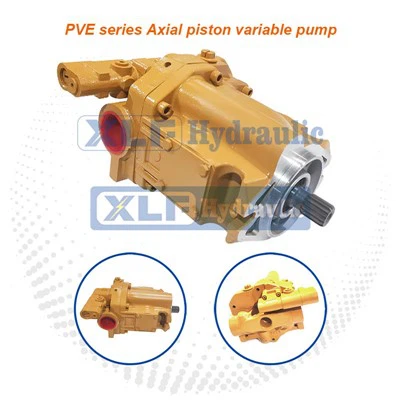
- Rexroth PVE Axial Variable Piston Two Piston Pump for Crawler Excavator: This pump is designed for use in crawler excavators and offers high - performance and reliability.
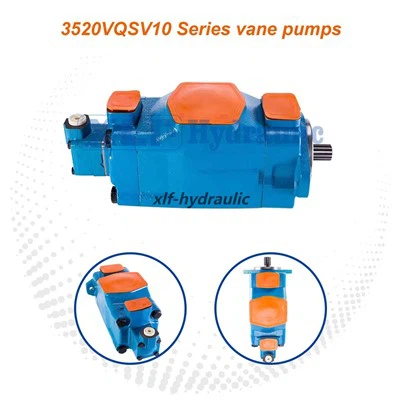
- Denison T6 Parker Hydraulic Industrial Piston Vane Pump VT6C - 010 - 3R00 - B1 Denison: Ideal for industrial applications, this pump provides efficient fluid transfer and long - lasting performance.
- CAT 100 6239 PVH Hydraulic Piston Transfer Pump for Flat Shovel: Specifically designed for flat shovels, this pump offers excellent pressure and flow characteristics.
- Axial Piston Type Hydraulic Pump 220 5623 For Cat Backhoe Loader: This pump is a great choice for Cat backhoe loaders, providing reliable and efficient operation.
- Daewoo Skid Steer 440 - 450 - 460 Hydraulic Drive Motor - K1022753A: Suitable for Daewoo skid steers, this hydraulic drive motor offers smooth and powerful operation.
Connect with Us for Your Pump Needs
If you are in the market for a high - quality twin piston pump or need assistance with adjusting the internal clearances of your existing pump, we are here to help. Our team of experts has extensive knowledge and experience in the field of hydraulic pumps and can provide you with the best solutions for your specific requirements. Whether you are a small - scale industrial user or a large - scale manufacturer, we can offer the products and services that meet your needs. Contact us today to start a discussion about your twin piston pump requirements.
References
- "Hydraulic Pumps and Motors Handbook"
- Manufacturer's manuals for twin piston pumps