If you've spent any time working in heavy machinery, construction, or agricultural equipment, you know how critical reliable hydraulic systems are to keeping operations running smoothly. For decades, Oilgear has been a go-to name for hydraulic pumps, valves, and power packs, thanks to their reputation for durability and consistent performance. But as industries evolve-demanding smarter, more efficient, and flexible control systems-many of our clients are asking the same question: are there Oilgear alternatives that come with advanced control features, without sacrificing the rugged reliability their operations need?
As a supplier of hydraulic system components, I've had front-row seats to this shift. Over the past five years alone, I've spoken to dozens of fleet managers, equipment maintenance leads, and design engineers who used to swear by Oilgear but are now looking for options that pair heavy-duty functionality with the smart controls that modern machinery requires. It's not that Oilgear is outdated-far from it. Their legacy of engineering is hard to beat, but today's work sites are different. Telematics, predictive maintenance, variable load management, and even remote monitoring are no longer fancy add-ons; they're non-negotiable for staying competitive, meeting productivity targets, and reducing downtime. That's where Oilgear alternatives with advanced control features step in, and they're changing the game for industrial equipment.
Let's start with what "advanced control features" actually mean for hydraulic systems, because not all alternative suppliers are built the same. For context, basic hydraulic systems rely on manual or mechanical controls: operators adjust valves and pumps using physical levers, and performance is adjusted based on real-time on-site decisions. Advanced control features, by contrast, digitize that process, using sensors, microprocessors, and software to automate adjustments, collect data, and optimize performance without constant manual input.
Some of the most in-demand advanced features our clients prioritize include:
- Variable displacement control: This lets the pump adjust its output based on the actual load on the machine, rather than running at a fixed rate regardless of demand. For example, a crane lifting a 10-ton load doesn't need the same pump output as a 1-ton load, so variable control cuts energy waste dramatically.
- Remote monitoring and telematics: The ability to track pump performance, pressure, temperature, and even maintenance needs from a central dashboard means operators can catch potential issues before they turn into costly breakdowns. A lot of construction companies now use this to schedule maintenance during off-hours, avoiding project delays.
- Pressure and flow regulation precision: Advanced controls let you adjust pressure and flow in real time, with tolerances as tight as +/- 0.5% in some models. This is a game-changer for precision agriculture, like seed planting or harvesting, where even minor inconsistencies can impact crop yields.
- Self-diagnostic capabilities: Modern hydraulic systems can alert operators to clogged filters, worn components, or pressure anomalies before they cause a shutdown. This cuts unplanned downtime, which is a major pain point for equipment operators.
Now, the key is finding Oilgear alternatives that deliver these features without two common pitfalls: higher upfront costs than the value they provide, and compatibility issues with existing machinery. Oilgear systems are built to last, so any alternative needs to match that durability to make sense for operators who can't afford to replace entire fleets when upgrading controls.
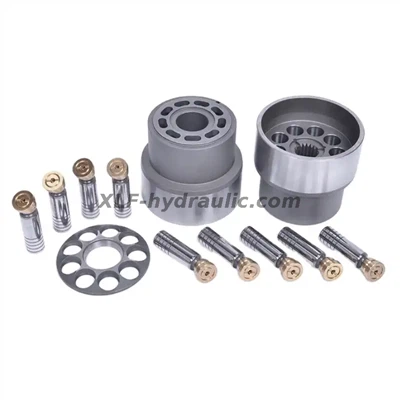
That's why I wanted to highlight our line of hydraulic components, including the PVG Series Hydraulic Pump Hydraulic Power Pack Spare Parts. Our engineering team designed these components specifically to bridge the gap between legacy Oilgear reliability and modern control needs, so they integrate seamlessly with existing equipment without requiring full system overhauls. The PVG series, in particular, is a favorite among our construction and agricultural clients because it offers programmable flow control, integrated pressure sensors, and compatibility with most common telematics platforms.
But let's get beyond our own offerings, because there are a few other Oilgear alternatives that are worth considering if advanced controls are your top priority. I've tested and worked with three distinct types of alternatives that cater to different operational needs, and each has its own strengths.
First, there are modular hydraulic systems from suppliers who focus on smart controls. Unlike Oilgear's often custom-built systems, these are designed to be adapted, so you can pick and choose which advanced features you need, rather than paying for features you'll never use. For example, a small landscaping company might only need basic remote monitoring, while a large construction firm might want full variable displacement control plus telematics integration. The downside here is that some of these modules require professional installation, which adds to the cost, but for operations scaling their technology, this flexibility is a big win.
Second, there are electric-hydraulic hybrid systems. These are particularly popular in industries trying to meet emissions targets, like municipal works and truck fleets. By pairing a hydraulic pump with an electric motor that uses advanced software to adjust output, these systems cut energy use by 20-30% on average, according to data from the National Fluid Power Association. Oilgear has some electric models, but alternatives here often have more advanced control algorithms that optimize for both efficiency and load, making them ideal for companies looking to reduce their carbon footprint without losing power.
Third, there are compact hydraulic power packs designed for mobile equipment. If you're upgrading smaller machinery like skid-steers or farm tractors, you don't need the same heavy-duty components as a crane or excavator. These compact alternatives come pre-configured with basic advanced controls-like pressure relief and automated flow adjustment-so they're easier to install and more cost-effective. We've had clients swap out Oilgear's larger power packs for these compact models on their tractors, and they've reported a 15% reduction in fuel costs within six months, thanks to the smart control features.
Now, I should be honest: there are trade-offs to these alternatives, and they're not right for every business. Oilgear still excels in ultra-heavy-duty applications, like mining equipment or offshore drilling, where there's almost no room for error. The margins for downtime there are enormous, so sticking with a proven brand like Oilgear makes sense. But for most mid-sized operations-construction companies with 10-20 trucks, agricultural farms, waste management fleets-alternatives with advanced controls offer a better return on investment.
Let's break that ROI down, because it's the biggest factor for most operators. I recently worked with a construction company in Ohio that swapped out three Oilgear pumps for our PVG series components on their concrete pump trucks. They were spending an average of $1,200 a month in fuel for those pumps, plus $800 a month in maintenance for unplanned breakdowns. After the upgrade, the advanced variable control adjusted the pump output based on how fast they were pouring concrete, cutting fuel use by 22%. The self-diagnostic features caught a worn seal in one pump before it failed, saving them $3,500 in emergency repairs. Over the course of a year, that's a savings of more than $25,000, and that's just for three pumps. For a fleet of 10, that number jumps to over $80,000 annually.
That's the kind of impact advanced controls can deliver, and it's why Oilgear alternatives are growing in popularity. The key is to evaluate what your specific needs are, not just jump on the cheapest option or stick with a legacy brand out of habit.
One thing I always advise clients to look for when comparing Oilgear alternatives is compatibility. If you have existing Oilgear systems, you don't want to have to replace every valve, hose, and control unit just to add smart features. Many modern alternatives, like the PVG series I mentioned earlier, are designed to integrate with legacy Oilgear power packs, so you can upgrade control features without a full system replacement. That lowers upfront costs and reduces downtime during installation, which is a huge plus for businesses that can't afford to have their equipment out of service.
Another critical factor is support. When you're dealing with hydraulic systems, issues pop up, and you need a supplier who can help you troubleshoot quickly. I've seen clients go with cheap alternatives that have no local support, and when their control system glitches, they're stuck waiting days for a technician to fly in. We offer 24/7 remote support for all our components, including the PVG series, so clients can get help fixing issues without waiting. That level of support is just as important as the controls themselves, because even the best system is useless if you can't fix it when it breaks.
Of course, there are some misconceptions about Oilgear alternatives worth addressing. Some operators think that "alternative" means lower quality, but that's not true anymore. The hydraulic component market has matured a lot in the last decade, with suppliers investing heavily in engineering and testing to ensure their products match the durability of legacy brands. We test every one of our PVG series components in conditions that match or exceed Oilgear's standard test cycles, so clients don't have to worry about parts failing under heavy load.
Another misconception is that advanced controls are too complicated for operators to use. But modern systems are designed with user-friendly interfaces-many of them use touchscreens or mobile apps, so operators don't need specialized training to adjust settings. A lot of our clients report that their drivers actually prefer the new systems because it takes the guesswork out of operating the machinery, reducing operator fatigue and making it easier to meet productivity targets.
So, if you're considering moving away from Oilgear, or upgrading your existing system with advanced control features, what should you do next? First, take an audit of your current operations. Look at where you're spending the most: is it fuel costs, maintenance, downtime, or operator overtime? That will help you prioritize which advanced features matter most to you. If fuel is your biggest expense, variable displacement control is key. If downtime is your biggest headache, remote monitoring and self-diagnostics are non-negotiable.
Then, reach out to suppliers that specialize in Oilgear alternatives. Ask them for case studies of clients in your exact industry. For example, if you're in agriculture, ask for references from other farms that use their components. If you're in construction, look for feedback from contractors who have used their power packs on similar-sized equipment. Most reputable suppliers will be happy to share that information, and if they don't, that's a red flag.
If you're interested in exploring specific components, like our PVG Series Hydraulic Pump Hydraulic Power Pack Spare Parts, you can find more details on our website. We offer custom configuration options, so you can pick exactly the control features you need for your operations, and our team can help you design a system that integrates seamlessly with your existing machinery.


At the end of the day, the goal of any hydraulic system is simple: keep your equipment running, while helping you be more productive and efficient. Oilgear has served the industry well for decades, but today's operators have more options than ever before, and those options come with the advanced control features that are essential for staying competitive in 2024 and beyond. It's not about rejecting legacy brands-it's about choosing the right tool for your specific needs.
I've spoken to so many clients who made the switch to Oilgear alternatives with advanced controls, and none of them regret it. They've cut costs, reduced downtime, and made their operations easier to manage, with data that helps them make better decisions about maintenance and performance. If that's something you're looking for, don't hesitate to connect with us to discuss how our components can work for your business. We're here to walk you through every step, from evaluating your needs to installation and ongoing support, so you can make a decision that benefits your team and your bottom line.
References
- National Fluid Power Association. (2023). "Advancements in Hydraulic Control Systems for Industrial Equipment." NFPA Technical Report.
- Heavy Construction Association. (2022). "Down Time Cost Analysis: The Economic Impact of Unplanned Equipment Shutdowns." HCA Industry Study.
- Agricultural Equipment Technology Magazine. (2023). "Smart Hydraulics: Optimizing Efficiency in Modern Farm Equipment." AETM Industry White Paper.
- Fluid Power Journal. (2024). "Oilgear Alternatives: Matching Legacy Reliability with Modern Control Features." FPJ Supplier Analysis.
- International Organization for Standardization (ISO). (2022). "Hydraulic Fluid Power Systems: Control System Performance Standards." ISO 10771:2022.