In the realm of fluid power systems, axial displacement pumps and screw pumps are two commonly used types of pumps, each with its own unique characteristics, advantages, and applications. As a supplier of axial displacement pumps, I am often asked about the differences between these two types of pumps. In this blog post, I will delve into the details of axial displacement pumps and screw pumps, highlighting their key differences to help you make an informed decision when choosing the right pump for your specific needs.
Axial Displacement Pumps
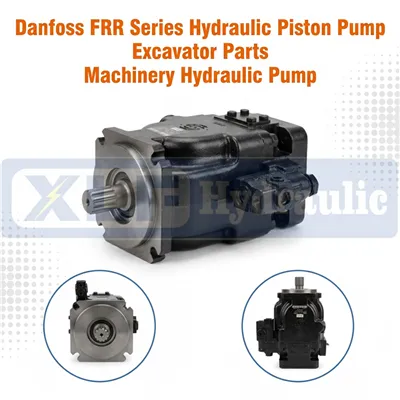
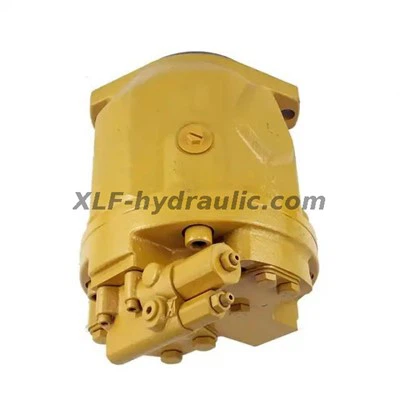
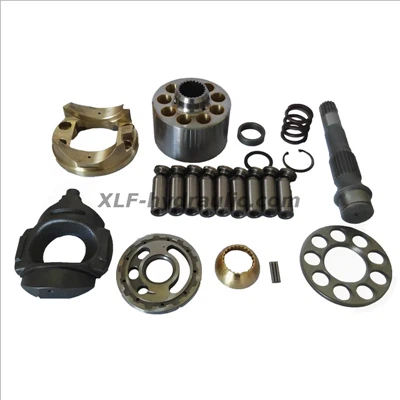
Axial displacement pumps, also known as axial piston pumps, are a type of positive displacement pump that uses pistons arranged axially in a cylinder block to transfer fluid. These pumps are known for their high pressure capabilities, efficiency, and precise control of flow and pressure. Axial displacement pumps can be further classified into two main types: swash plate pumps and bent axis pumps.
Swash Plate Pumps
Swash plate pumps are the most common type of axial displacement pumps. In a swash plate pump, the pistons are arranged parallel to the drive shaft, and a swash plate is used to convert the rotary motion of the drive shaft into reciprocating motion of the pistons. As the swash plate rotates, it causes the pistons to move in and out of the cylinder block, creating a pumping action. Swash plate pumps are known for their compact design, high speed capabilities, and smooth operation.
Bent Axis Pumps
Bent axis pumps, on the other hand, have the pistons arranged at an angle to the drive shaft. In a bent axis pump, the cylinder block is tilted relative to the drive shaft, and the pistons are connected to a yoke that is driven by the drive shaft. As the drive shaft rotates, the yoke causes the pistons to move in and out of the cylinder block, creating a pumping action. Bent axis pumps are known for their high pressure capabilities, high efficiency, and ability to handle high flow rates.
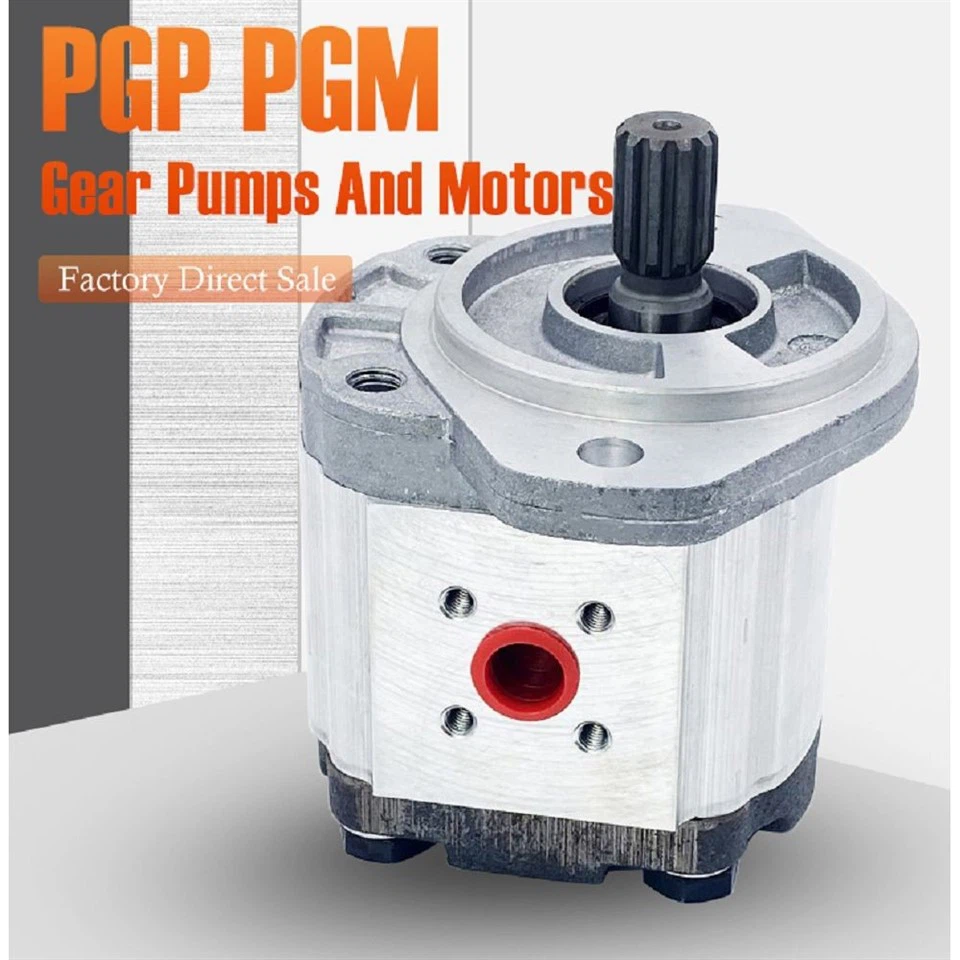
Axial displacement pumps are widely used in a variety of applications, including industrial machinery, construction equipment, agricultural machinery, and aerospace systems. Some examples of axial displacement pumps include the Parker PGP517 High Pressure Low Noise High Efficiency PGP Series Hydraulic Variable Gear Pump, the CAT 980G Hydraulic Pump and Piston For CAT Loader, and the Eaton Vickers PVXS Hydraulic Bent Axis Axial Piston Pump for Industrial Machinery.
Screw Pumps
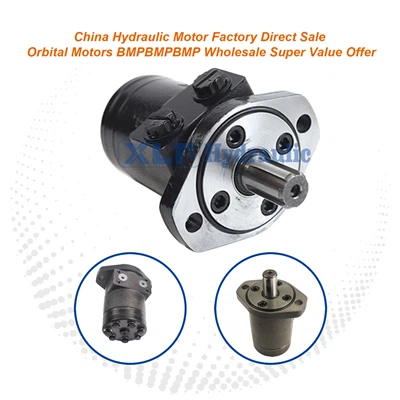
Screw pumps are another type of positive displacement pump that uses screws to transfer fluid. These pumps are known for their smooth and continuous flow, high efficiency, and ability to handle viscous fluids. Screw pumps can be further classified into two main types: single screw pumps and multi-screw pumps.
Single Screw Pumps
Single screw pumps, also known as progressive cavity pumps, use a single helical screw that rotates inside a rubber stator. As the screw rotates, it creates a series of sealed cavities that move along the length of the screw, pushing the fluid from the inlet to the outlet. Single screw pumps are known for their ability to handle high viscosity fluids, solids, and abrasive materials. They are commonly used in applications such as wastewater treatment, food processing, and chemical processing.
Multi-Screw Pumps
Multi-screw pumps use multiple screws that rotate in opposite directions to transfer fluid. These pumps can be further classified into two types: twin screw pumps and triple screw pumps. Twin screw pumps use two intermeshing screws to create a pumping action, while triple screw pumps use three intermeshing screws. Multi-screw pumps are known for their high efficiency, smooth operation, and ability to handle high flow rates. They are commonly used in applications such as oil and gas, power generation, and marine systems.
Key Differences between Axial Displacement Pumps and Screw Pumps
Operating Principle
The main difference between axial displacement pumps and screw pumps lies in their operating principle. Axial displacement pumps use pistons to create a reciprocating motion that transfers fluid, while screw pumps use screws to create a rotating motion that transfers fluid. This fundamental difference in operating principle results in different performance characteristics and applications for each type of pump.
Pressure and Flow Capabilities
Axial displacement pumps are known for their high pressure capabilities. They can generate pressures up to several thousand psi, making them suitable for applications that require high pressure fluid delivery, such as hydraulic systems in construction equipment and industrial machinery. Screw pumps, on the other hand, are typically used for low to medium pressure applications. While they can handle high flow rates, their pressure capabilities are generally lower than those of axial displacement pumps.
Efficiency
Both axial displacement pumps and screw pumps are known for their high efficiency. However, the efficiency of each type of pump can vary depending on the specific application and operating conditions. Axial displacement pumps are generally more efficient at high pressures and high flow rates, while screw pumps are more efficient at low to medium pressures and high viscosity fluids.
Viscosity Handling
Screw pumps are better suited for handling high viscosity fluids than axial displacement pumps. The rotating motion of the screws in a screw pump allows it to handle viscous fluids more effectively, while the reciprocating motion of the pistons in an axial displacement pump can be more difficult to maintain when dealing with high viscosity fluids.
Noise and Vibration
Axial displacement pumps can generate more noise and vibration than screw pumps, especially at high speeds and high pressures. This is due to the reciprocating motion of the pistons, which can create pulsations in the fluid flow. Screw pumps, on the other hand, have a more smooth and continuous flow, resulting in less noise and vibration.
Maintenance and Reliability
Both axial displacement pumps and screw pumps require regular maintenance to ensure optimal performance and reliability. However, the maintenance requirements for each type of pump can vary. Axial displacement pumps typically require more frequent maintenance, such as piston and seal replacement, due to the high stress and wear on the moving parts. Screw pumps, on the other hand, have fewer moving parts and are generally more reliable, but they may require more frequent stator replacement, especially when handling abrasive materials.
Choosing the Right Pump for Your Application
When choosing between an axial displacement pump and a screw pump, it is important to consider the specific requirements of your application. Here are some factors to consider:
Pressure and Flow Requirements
If your application requires high pressure fluid delivery, an axial displacement pump may be the best choice. If your application requires high flow rates at low to medium pressures, a screw pump may be more suitable.
Fluid Viscosity
If you need to handle high viscosity fluids, a screw pump is likely the better option. Axial displacement pumps are generally not recommended for high viscosity fluids, as the reciprocating motion of the pistons can be difficult to maintain.
Noise and Vibration
If noise and vibration are a concern in your application, a screw pump may be a better choice. Screw pumps have a more smooth and continuous flow, resulting in less noise and vibration compared to axial displacement pumps.
Maintenance and Reliability
Consider the maintenance requirements and reliability of each type of pump. If you have limited maintenance resources or need a pump that can operate continuously with minimal downtime, a screw pump may be more suitable. If you have the resources to perform regular maintenance and need a pump that can handle high pressure applications, an axial displacement pump may be the better choice.
Conclusion
In conclusion, axial displacement pumps and screw pumps are two different types of positive displacement pumps, each with its own unique characteristics, advantages, and applications. As a supplier of axial displacement pumps, I understand the importance of choosing the right pump for your specific needs. By understanding the key differences between axial displacement pumps and screw pumps, you can make an informed decision and select the pump that will provide the best performance and reliability for your application.

If you are interested in learning more about axial displacement pumps or need help choosing the right pump for your application, please feel free to contact us. We have a team of experts who can provide you with the information and support you need to make the right choice. Let's start a discussion on how we can meet your pumping requirements and help you achieve your goals.
References
- Fluid Power Handbook, edited by the International Fluid Power Society
- Pump Handbook, by Igor J. Karassik et al.
- Hydraulic Systems and Components, by Donald G. Fitch