Hey there! As a supplier of axial displacement pumps, I've dealt with all kinds of issues related to these pumps. One of the most critical problems we often encounter is balancing the axial thrust. In this blog, I'll share some insights on how to achieve that.
First off, let's understand what axial thrust is. Axial thrust is the force that acts along the axis of the pump shaft. It can be caused by a bunch of factors, like the pressure difference between the inlet and outlet of the pump, the shape and design of the impeller, and the flow rate of the fluid. If the axial thrust isn't balanced properly, it can lead to a whole host of problems, such as excessive wear and tear on the bearings, increased vibration, and even pump failure.
One of the most common methods to balance the axial thrust is by using a balancing drum or a balancing disc. A balancing drum is a cylindrical component that's installed on the pump shaft. It works by creating a pressure difference between the two sides of the drum, which counteracts the axial thrust. The balancing disc, on the other hand, is a flat disc that's attached to the impeller. It also creates a pressure difference to balance the thrust.
Another way to balance the axial thrust is through the use of double - suction impellers. In a double - suction impeller, the fluid enters the impeller from both sides. This design helps to cancel out the axial thrust because the forces acting on each side of the impeller are equal and opposite. Double - suction impellers are commonly used in large - scale pumps where the axial thrust is significant.
We also have the option of using thrust bearings. Thrust bearings are designed to support the axial load. They can be either rolling - element bearings or fluid - film bearings. Rolling - element bearings, like ball bearings or roller bearings, are relatively simple and cost - effective. They can handle moderate axial loads. Fluid - film bearings, on the other hand, use a thin film of fluid to support the load. They are more suitable for high - speed and high - load applications.
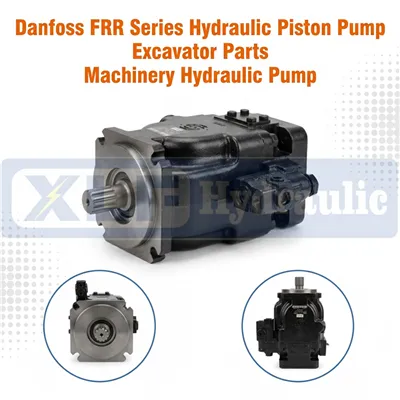
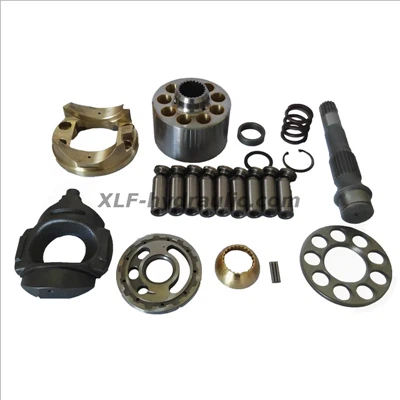
Now, let me introduce some of our products that are designed with these axial thrust - balancing features in mind. We have the GPM Series Hydraulic Rotary Axial Plunger Pumps for Crawler Excavator. These pumps are engineered to provide reliable performance in tough working conditions. The design of these pumps includes advanced axial thrust - balancing mechanisms to ensure smooth operation and long service life.
Our 50T PA Series Pressure Compensated Vane Pump for Crawler Excavator is another great option. These pumps are known for their high efficiency and precise control. The axial thrust in these pumps is carefully balanced to minimize wear and improve overall performance.
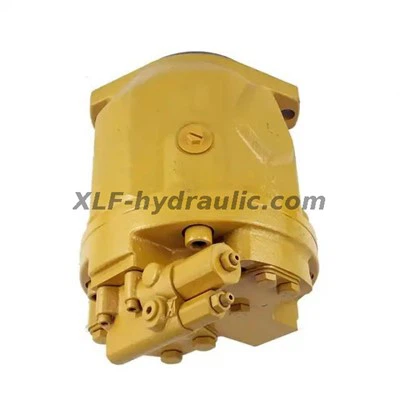
And then there's the Hydraulic Fixed Displacement Radial Piston Pump 172 5637 For Cat D11r Track Type Tractor. This pump is designed to meet the demanding requirements of heavy - duty machinery. The axial thrust - balancing design in this pump helps to ensure stable operation even under high - pressure conditions.
In addition to these mechanical methods, proper pump selection and system design are also crucial for balancing the axial thrust. When choosing a pump, you need to consider factors such as the flow rate, head, and the nature of the fluid. A pump that's too small for the application may experience excessive axial thrust due to high - speed operation and high - pressure differentials. On the other hand, an oversized pump may not operate at its optimal efficiency.
The system design also plays a vital role. For example, the layout of the piping can affect the pressure distribution in the pump. A well - designed piping system can help to reduce the pressure fluctuations and thus minimize the axial thrust. You should also pay attention to the installation of the pump. Proper alignment of the pump shaft is essential to ensure that the axial thrust is evenly distributed.
Maintenance is another key aspect. Regular inspection and maintenance of the pump can help to detect any early signs of axial thrust problems. You need to check the condition of the bearings, the balancing components, and the overall pump performance. If you notice any abnormal vibration, noise, or changes in the pump's operating parameters, it could be a sign of an axial thrust issue. In such cases, you should take immediate action to prevent further damage.
To sum it up, balancing the axial thrust in an axial displacement pump is a multi - faceted task. It involves a combination of mechanical design, proper pump selection, system design, and regular maintenance. By following these principles, you can ensure the reliable and efficient operation of your axial displacement pump.
If you're in the market for high - quality axial displacement pumps or need more information on axial thrust balancing, don't hesitate to reach out. We're here to help you find the best solutions for your specific needs. Whether you're working on a small - scale project or a large - scale industrial application, we have the expertise and the products to meet your requirements. Let's start a conversation and see how we can work together to get the job done right.
References:

- "Pump Handbook" by Igor J. Karassik et al.
- "Hydraulic Machinery" textbooks from various engineering institutions.