Hey there! As a supplier of small vane pumps, I often get asked about the discharge head of these nifty little machines. So, let's dive right into it and figure out what the discharge head of a small vane pump actually is.
First off, the discharge head is a crucial concept when it comes to pumps. It basically tells you how much "push" the pump can give to the fluid it's moving. Think of it like how hard you can throw a ball. The harder you throw, the farther the ball goes. In the case of a pump, the discharge head determines how high or how far the fluid can be pushed.
For a small vane pump, the discharge head is affected by a bunch of factors. One of the main things is the design of the pump itself. The shape and size of the vanes, the chamber where the fluid moves, and the overall construction all play a role. A well - designed small vane pump can have a pretty decent discharge head, even though it's small in size.
Another factor is the speed at which the pump operates. Just like a car engine, the faster it runs, the more power it can generate. In the case of a small vane pump, increasing the rotational speed can increase the discharge head. But there's a limit to this. If you run the pump too fast, it can cause excessive wear and tear on the vanes and other components, and might even lead to the pump breaking down.
The viscosity of the fluid being pumped also matters. If the fluid is thick and gooey, like honey, it's going to be harder for the pump to push it compared to a thin fluid like water. So, when you're dealing with a high - viscosity fluid, the discharge head of the small vane pump might be lower.
Now, let's talk about why the discharge head is so important. If you're using a small vane pump in a system where the fluid needs to be lifted to a certain height, say in a small - scale water supply system or a chemical dosing setup, you need to know the discharge head to make sure the pump can do the job. If the discharge head is too low, the fluid won't reach where it needs to go.
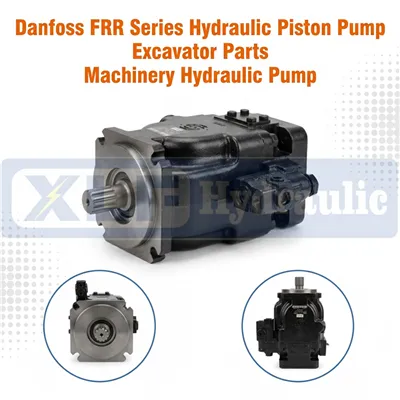
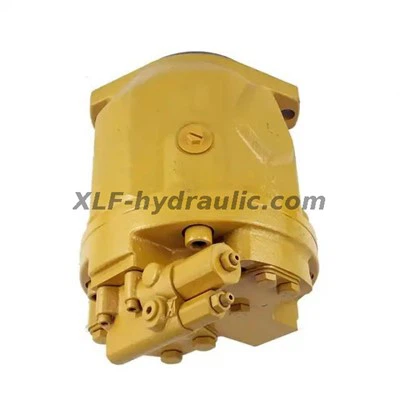
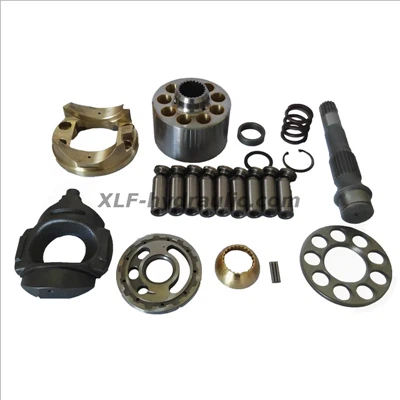
In some industrial applications, small vane pumps are used in conjunction with other equipment. For example, in a hydraulic system of a small loader. The discharge head of the vane pump needs to be compatible with the requirements of the other hydraulic components. You can check out some related products like the CAT 980G Hydraulic Pump and Piston For CAT Loader and the Parker F1 Series F1 - 81 Hydraulic Rocking Axial Piston Air Pump for Loaders. These are different types of pumps, but they all operate in hydraulic systems where the concept of discharge head is crucial.
When it comes to measuring the discharge head of a small vane pump, there are a few methods. One common way is to use a pressure gauge. By measuring the pressure at the discharge port of the pump, you can calculate the discharge head. The relationship between pressure and head is based on the density of the fluid and the acceleration due to gravity. It's a bit of a technical calculation, but it's a reliable way to get an accurate measurement.
Another way is to use a flow meter along with some other measurements. By knowing the flow rate of the fluid and the power input to the pump, you can estimate the discharge head. This method is more complex and might require some specialized equipment, but it can give you a more comprehensive understanding of the pump's performance.
As a small vane pump supplier, I've seen a lot of different applications where these pumps are used. In the food and beverage industry, for example, small vane pumps are used to transfer liquids like juices and syrups. The discharge head needs to be just right so that the liquids can be moved from one tank to another without any issues.
In the automotive industry, small vane pumps are used in power steering systems. The discharge head is important here because it determines how well the steering system can operate. If the discharge head is too low, the steering might feel heavy and hard to turn.
We also have some customers who use small vane pumps in small - scale manufacturing processes. For instance, in a paint - mixing setup, the pump needs to be able to transfer the paint from the storage container to the mixing tank. The discharge head ensures that the paint can be moved smoothly and efficiently.
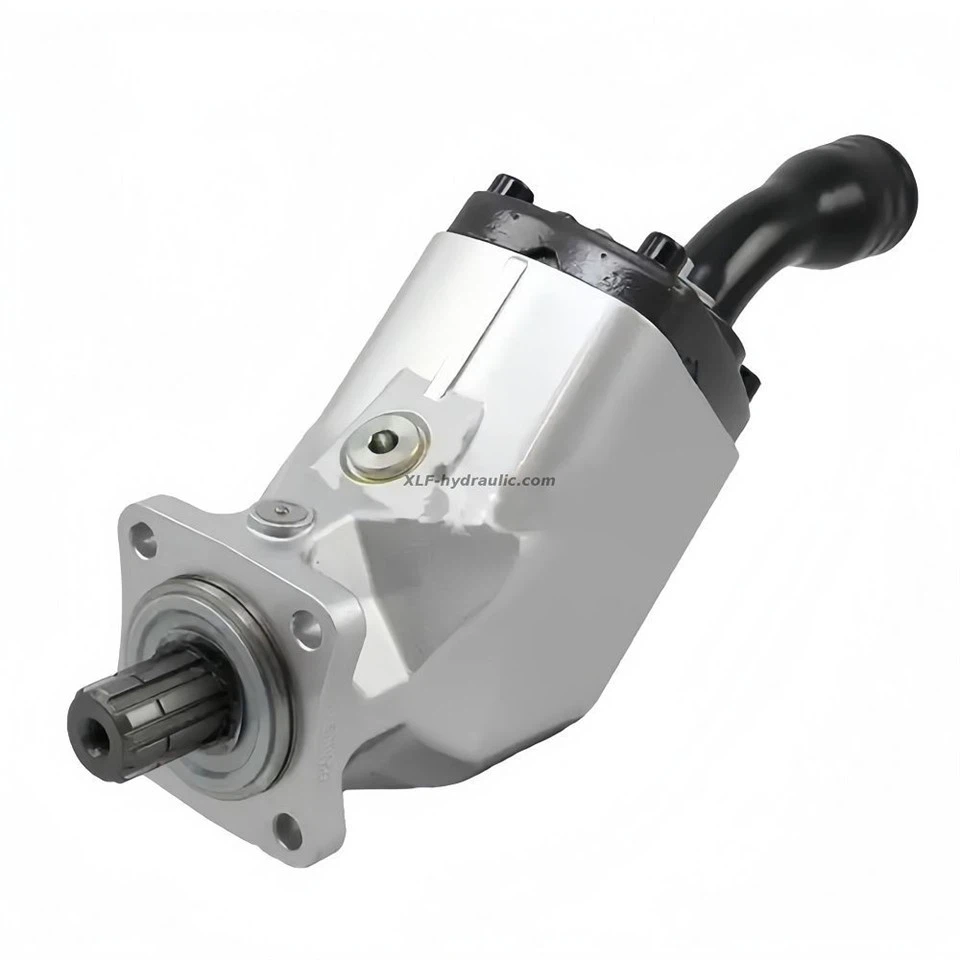
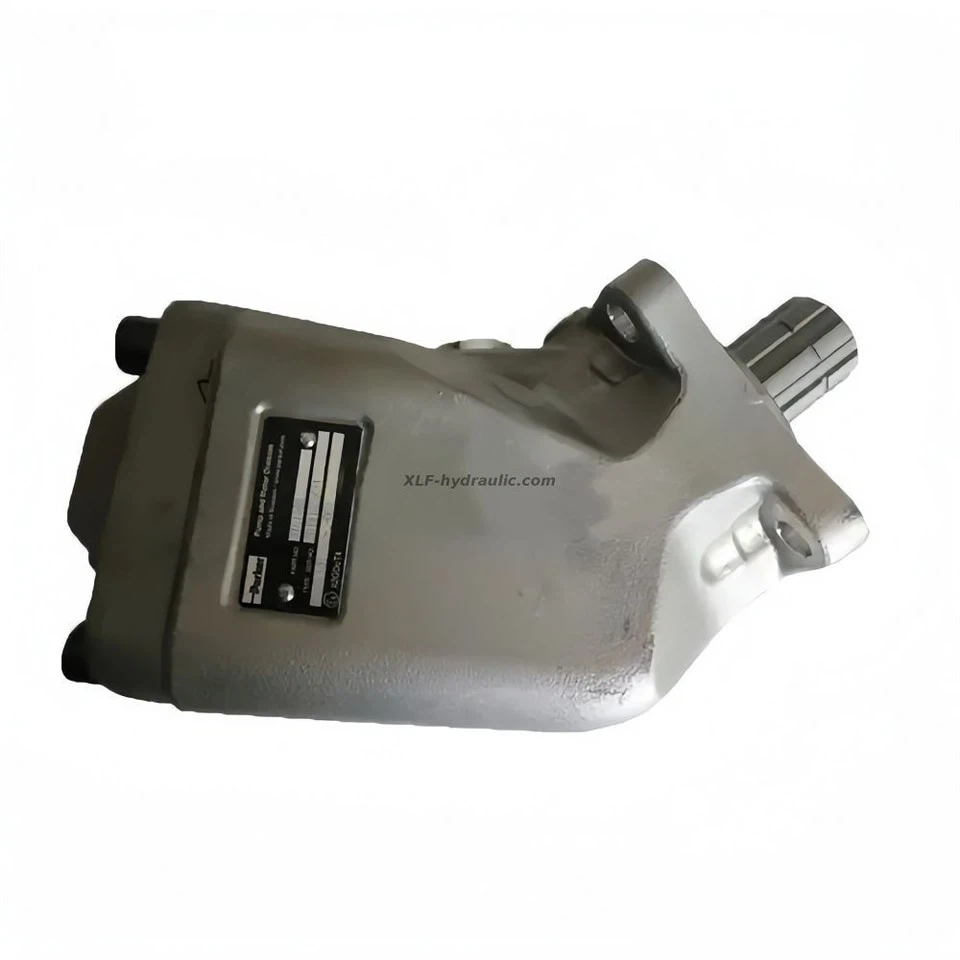
If you're in the market for a small vane pump, it's really important to understand the discharge head requirements of your application. You don't want to end up with a pump that can't do the job. And that's where we come in. We can help you choose the right small vane pump based on your specific discharge head needs.
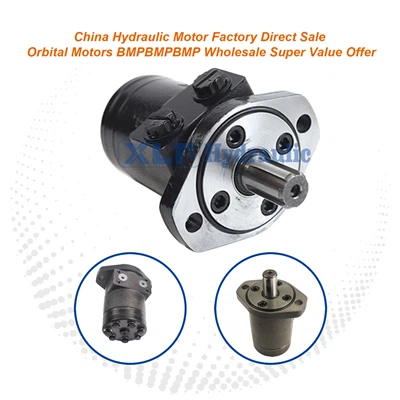
We also offer pumps that are compatible with different types of fluids. Whether you're dealing with water, oil, or some other chemical, we have a pump that can handle it. And if you're interested in other types of hydraulic equipment, you can take a look at the Char Lynn 2000 Series LSHT Gerotor Hydraulic Motor, Straight Shaft, 2K - 195 604 - 0447. It's a great piece of equipment that can work well in combination with our small vane pumps in some applications.
If you have any questions about the discharge head of our small vane pumps or if you're interested in making a purchase, don't hesitate to reach out. We're here to help you find the best solution for your needs. Whether you're a small business owner or part of a large industrial operation, we can provide you with high - quality small vane pumps that meet your discharge head requirements.
So, if you're looking for a reliable small vane pump supplier, give us a shout. We'll be happy to discuss your project and help you get the right pump for the job.
References:
- "Pump Handbook" by Igor J. Karassik et al.
- "Hydraulic Systems and Components" by various industry experts.