Hey there! As a hydraulic pump supplier, I've seen firsthand how the suction lift can have a huge impact on the operation of a hydraulic pump. So, let's dive right in and talk about what suction lift is and how it affects these pumps.
What is Suction Lift?
First off, let me explain what suction lift means. Suction lift is the vertical distance between the centerline of the pump and the free surface of the liquid source when the liquid source is below the pump. In simpler terms, it's how far the pump has to "suck" the fluid up to start working.
Imagine you're trying to drink a beverage from a glass with a straw. The harder you have to suck to get the drink up the straw, the higher the suction lift. Similarly, a hydraulic pump has to work against gravity and other forces to draw fluid into its inlet when there's a suction lift involved.
How Suction Lift Affects Hydraulic Pump Operation
Cavitation
One of the biggest problems caused by high suction lift is cavitation. Cavitation occurs when the pressure at the pump inlet drops below the vapor pressure of the fluid. When this happens, tiny vapor bubbles form in the fluid. As these bubbles move into higher-pressure areas of the pump, they collapse suddenly. This collapse creates shock waves that can damage the pump's internal components, like the impeller or the casing. Over time, cavitation can lead to reduced pump efficiency, increased noise levels, and even complete pump failure.
For example, let's say you have a hydraulic system where the pump has to lift fluid from a tank that's several feet below. If the suction lift is too high, the pump may not be able to maintain sufficient pressure at the inlet, causing cavitation to occur. And trust me, you don't want to deal with the headaches that come with a cavitation-damaged pump.
Reduced Flow Rate
Another effect of high suction lift is a reduced flow rate. As the pump has to work harder to draw fluid up, it may not be able to pull in as much fluid as it should. This means that the amount of hydraulic fluid flowing through the system is lower than expected, which can affect the performance of any equipment connected to the pump.
Think of it like a water hose. If you try to suck water up a long, narrow hose, you won't be able to get as much water flowing through it as you would if the water was already at the same level as the hose opening. The same principle applies to hydraulic pumps.
Increased Energy Consumption
When a hydraulic pump has to deal with high suction lift, it needs to use more energy to operate. The pump has to overcome the forces of gravity and friction to draw the fluid in, which means it has to work harder. This increased workload leads to higher energy consumption, which can be a real cost - saver in the long run. Who wants to keep shelling out extra money on energy bills just because the suction lift wasn't properly considered?
How to Mitigate the Effects of Suction Lift
Proper Pump Selection
The first step in dealing with suction lift is to choose the right pump for the job. Different pumps have different suction lift capabilities. Some pumps are designed to handle high suction lifts better than others. When selecting a pump, you need to consider factors like the required flow rate, the type of fluid, and the maximum suction lift.
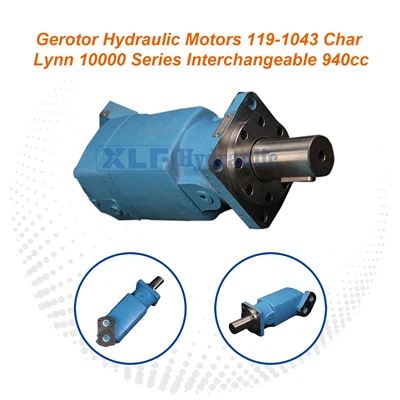
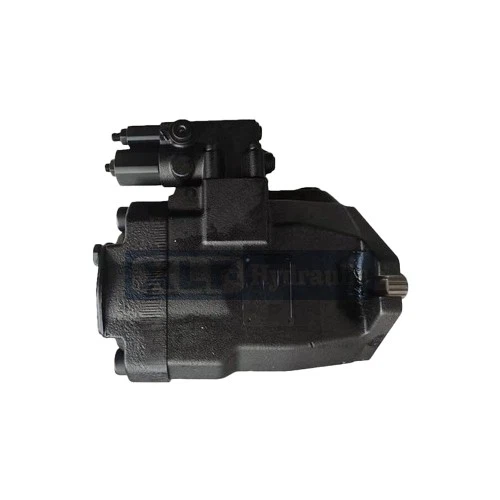
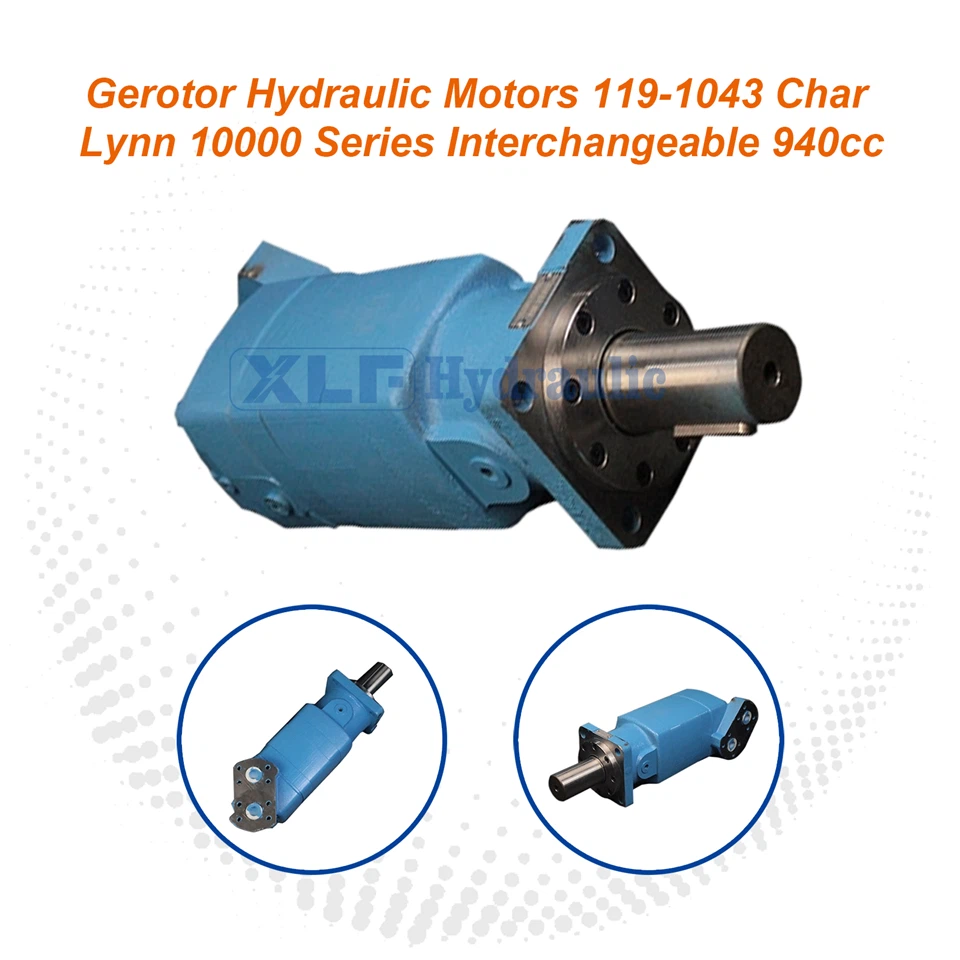
For example, if you're looking for a reliable hydraulic motor, check out the Char Lynn 10000 Series 119 - 1043 Gerotor Hydraulic Motor 940cc Interchangeable. This motor is known for its efficiency and can be a great choice in many hydraulic systems.
Lowering the Suction Lift
You can also try to lower the suction lift. This can be done by raising the liquid source closer to the pump or by using a booster pump to assist in the suction process. By reducing the vertical distance the pump has to lift the fluid, you can decrease the likelihood of cavitation and improve the overall performance of the pump.
Using a Proper Suction Line
The suction line is the pipe or tube that connects the pump to the liquid source. It's important to use a suction line with the right diameter and length. A small - diameter or long suction line can increase friction, which makes it harder for the pump to draw in fluid. Make sure the suction line is as short and straight as possible, and use fittings that minimize pressure drop.
Real - World Examples
Let's take a look at some real - world products and how suction lift can affect them.
The 113 - 1163 - 006 Eaton Char - Lynn 500cc Wheel Hydraulic Motor is often used in various mobile equipment. If the suction lift is too high in the system where this motor is installed, it may experience reduced performance or even cavitation, leading to costly repairs.
Similarly, the 15140666 Aftermarket Volvo Replacement Pumps & Fan Motor & Parts | Low - Energy Consumption & High - Performance need to have the right suction conditions. If the suction lift is not properly managed, the energy - saving features of these pumps may not work as effectively, and the overall performance of the equipment may suffer.
The IR DD110 DD130 Travel Gearbox 59390872 and the Harvester Shaker Hydraulic Motor 4 - Bolt Flange 31.75mm Keyed Shaft are also critical components in their respective systems. High suction lift can cause problems like reduced efficiency and premature wear in these parts.
Conclusion and Call to Action
So, as you can see, suction lift plays a crucial role in the operation of hydraulic pumps. It can cause all sorts of issues if not properly managed, from cavitation and reduced flow rates to increased energy consumption. But don't worry! As a hydraulic pump supplier, I'm here to help you choose the right products and set up your hydraulic systems correctly.
If you're in the market for hydraulic pumps, motors, or replacement parts, and want to make sure you're getting the best performance and avoiding suction lift problems, don't hesitate to reach out. We can discuss your specific needs and find the perfect solutions for your projects.
Let's work together to ensure your hydraulic systems run smoothly and efficiently. Just start a conversation with us, and we'll guide you through the whole process.
References
- Fluid Power Handbook, various editions
- Hydraulic Pump Manufacturer's Technical Documents