Hey there! As a twin piston pump supplier, I've been getting a lot of questions lately about how fluid density affects the performance of our pumps. So, I thought I'd take a few minutes to break it down for you and share some insights.
First off, let's talk about what fluid density is. Simply put, fluid density is the mass of a fluid per unit volume. It's usually measured in kilograms per cubic meter (kg/m³) or pounds per cubic foot (lb/ft³). Different fluids have different densities, and these differences can have a significant impact on how a twin piston pump operates.
One of the most obvious effects of fluid density on a twin piston pump is its impact on the pump's flow rate. The flow rate of a pump is the volume of fluid it can move in a given amount of time. When the fluid density increases, the pump has to work harder to move the same volume of fluid. This is because the pump has to overcome the increased resistance caused by the denser fluid. As a result, the flow rate of the pump may decrease.
For example, let's say you have a twin piston pump that's designed to move water at a certain flow rate. Water has a density of about 1000 kg/m³. If you switch to a fluid with a higher density, like oil (which can have a density of around 850 - 950 kg/m³ depending on the type), the pump may not be able to maintain the same flow rate. The increased density of the oil means that the pump has to exert more force to move it, and this can lead to a reduction in the flow rate.
Another important factor to consider is the pump's power consumption. When the fluid density increases, the pump has to use more energy to move the fluid. This is because the pump has to do more work against the increased resistance of the denser fluid. As a result, the power consumption of the pump will increase.
Let's go back to our water and oil example. If you're using a twin piston pump to move water, it will consume a certain amount of power. But if you switch to oil, the pump will have to work harder, and thus consume more power, to move the same volume of fluid. This can have a significant impact on your operating costs, especially if you're running the pump for long periods of time.
The efficiency of the twin piston pump is also affected by fluid density. Efficiency is a measure of how well the pump converts the input power into useful work (i.e., moving the fluid). When the fluid density increases, the efficiency of the pump may decrease. This is because the pump has to use more energy to overcome the increased resistance of the denser fluid, and some of this energy is lost as heat.
In addition to these performance factors, fluid density can also affect the wear and tear on the pump. Denser fluids can put more stress on the pump's components, such as the pistons, valves, and seals. Over time, this increased stress can lead to more rapid wear and tear, which can reduce the lifespan of the pump and increase maintenance costs.
So, what can you do to mitigate the effects of fluid density on your twin piston pump? One option is to choose a pump that's specifically designed to handle the density of the fluid you're using. At our company, we offer a wide range of twin piston pumps that are designed to work with different types of fluids, including those with high densities.
For instance, we have the Parker T6 T7 High Pressure Hydraulic Single Steering Vane Two Way Hydraul Pump. This pump is designed to handle high-pressure hydraulic applications and can work effectively with a variety of fluids, including those with relatively high densities.
Another option is the 145 4878 Series Hydraulic Dosing Piston Pump for CAT Backhoe. This pump is specifically designed for dosing applications and can handle different fluid densities with precision.
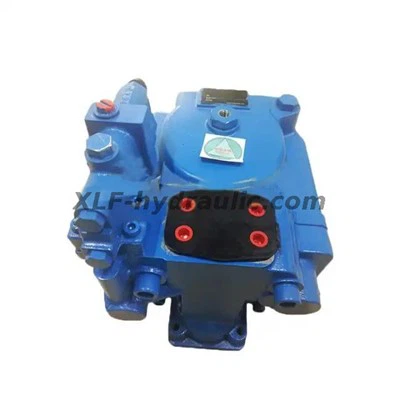
If you're looking for spare parts or a whole pump for your Eaton Vickers PVH Series, we also have the Eaton Vickers PVH Series Hydraulic Fixed Displacement Piston Pump Repair Kit Spare Parts and Whole Pump. This product is a great choice for maintaining the performance of your pump, regardless of the fluid density.
It's also important to properly size your pump for the application. Make sure you know the density of the fluid you'll be using, as well as the required flow rate and pressure. This will help you choose the right pump that can handle the specific conditions of your application.


In conclusion, fluid density has a significant impact on the performance of a twin piston pump. It can affect the flow rate, power consumption, efficiency, and lifespan of the pump. By understanding these effects and taking appropriate measures, such as choosing the right pump and properly sizing it, you can ensure that your twin piston pump operates effectively and efficiently.
If you're in the market for a twin piston pump or have any questions about how fluid density might affect your specific application, don't hesitate to reach out. We're here to help you find the best solution for your needs. Let's start a conversation about your pump requirements and see how we can work together to get you the right product.
References
- Fluid Mechanics textbooks for general principles on fluid density and its effects on pumps.
- Manufacturer's manuals for twin piston pumps for specific performance data related to different fluid densities.