If you've ever operated heavy machinery in sub-zero weather-whether it's a farm tractor plowing a snow-covered field in the Upper Midwest, a construction crane lifting materials on an Arctic construction site, or a winch pulling supplies to a remote logging camp in Canada-you've probably wondered: can axial piston motors hold up in low-temperature environments? As a supplier of axial piston motors, I get this question all the time. It's not just a hypothetical: our customers across industries from agriculture to marine work in temperatures that drop well below freezing, sometimes hitting -40°F (-40°C) or lower, and they need to know if their hydraulic systems will perform when the mercury plummets. The short answer is yes, axial piston motors can work in low-temperature settings-but only if you account for a handful of critical factors that can make or break performance when the cold sets in.
Let's start with the basics of how axial piston motors work, because understanding their core design helps explain why temperature matters. Axial piston motors generate torque by using a set of pistons arranged in a circular pattern along a drive shaft, moving back and forth in cylinder barrels to create hydraulic flow. This design is prized for its high power density, efficiency, and ability to handle high pressure-perfect for heavy-duty applications like agricultural equipment, winches, and construction machinery. But those moving parts depend on a specific set of conditions, and cold temperatures throw a wrench in a few key areas.
First, and most obvious, is hydraulic fluid viscosity. When temperatures drop, hydraulic oil thickens, almost like how honey gets gloopy in the fridge. If the oil is too viscous, it can't flow through the motor's passages fast enough, leading to sluggish operation, higher energy consumption, and even damage to the pistons, cylinder barrels, and seals. I've seen this firsthand with a customer in Minnesota who ran his tractor in January without switching to a winter-grade hydraulic fluid-his motor barely moved when he tried to engage the drive, and he had to replace a worn seal and flush the entire system. That's a preventable mistake, but it's a common one when operators don't account for their motor's temperature limits.
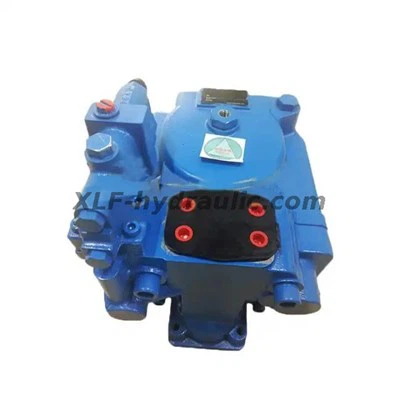
But axial piston motors themselves have built-in design features that help mitigate cold-weather issues, right? Yes, if they're engineered for it. Standard axial piston motors are often built for moderate temperatures, but low-temperature variants use materials and clearances that accommodate thicker fluids. For example, the 8870 Tractor Agricultural Machinery Hydraulic Drive Motor we supply is designed with tighter tolerances and corrosion-resistant components that handle cold start-ups better than generic models. A lot of farm machinery operators in places like North Dakota and Saskatchewan swear by this motor for winter plowing because it doesn't struggle to build pressure when the oil is thick, even at -20°F.
Another factor is seal performance. Most axial piston motors use rubber or polymer seals to prevent hydraulic fluid from leaking out and contaminants from getting in. But rubber hardens in cold temperatures, which can cause seals to crack or fail prematurely, leading to leaks that can bring a whole hydraulic system to a halt. Our team works with manufacturers to source specialty seals made from materials like Viton or EPDM that stay flexible at low temperatures, so the motor maintains a tight seal even after hours of operation in freezing conditions. We also recommend regular seal inspections for customers running motors in consistently cold environments, just to catch wear before it leads to downtime.
Heat generation during operation is another surprise for some people. When a hydraulic motor is working hard-like a winch pulling a heavy load up a hill, or a tractor pulling a plow through frozen soil-it generates heat. That heat isn't just for keeping the motor warm; it actually helps thin the hydraulic fluid as it operates, improving flow and performance. In very cold environments, this built-in heat can be an advantage: once the motor is running, the friction from the pistons and moving parts raises the temperature of the fluid inside, making it flow more smoothly. But this also means that if a motor is only run intermittently in cold weather, it might not generate enough heat to thin the oil on its own, leading to those sluggish start-up issues I mentioned earlier. That's why we always advise customers to warm up their systems gradually, rather than putting a full load on the motor right away when it's cold.
Now, let's talk about real-world applications, because that's where this becomes relevant for most people. Take winch motors, for example. High-speed hydraulic winches are used in everything from marine operations in the North Atlantic to mining equipment in Canada's Northwest Territories, where temperatures can drop to -30°F in winter. The BMSY-315 High Speed Hydraulic Winch Motor we supply is a popular choice for these applications because it's built with a compact design that's easy to integrate into systems with built-in heating elements, and its precision-machined components reduce friction even when the oil is thick. One of our clients in Alaska uses these winch motors to haul fishing gear on their processing boats in the winter, and they report that they start consistently even in temperatures as low as -35°F, as long as they use the right hydraulic fluid and warm up the system for 5 minutes before full operation.
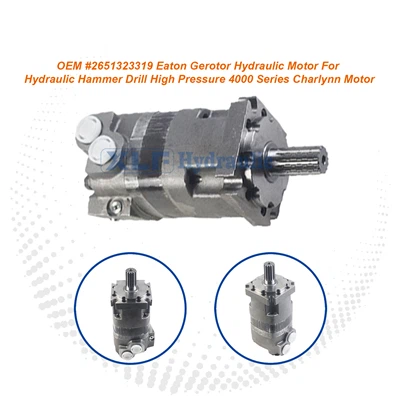
Another common use case is agricultural machinery, which often operates outdoors in all kinds of weather. The OMP200 MP200 BMP200 Agricultural Machinery Hydraulic Motor 2 Bolt Flange SAE 6B Spline Shaft we supply is designed for tractors, balers, and other farm equipment that needs to work in cold conditions. Farmers in places like Iowa and Montana use these motors for winter tasks like snow removal and hauling feed, and they've told us that they don't experience the same start-up issues they had with older motors when they switched to these low-temperature variants. The key here is that these motors are tested in real-world cold environments, not just in labs, so we know they perform when it matters most.

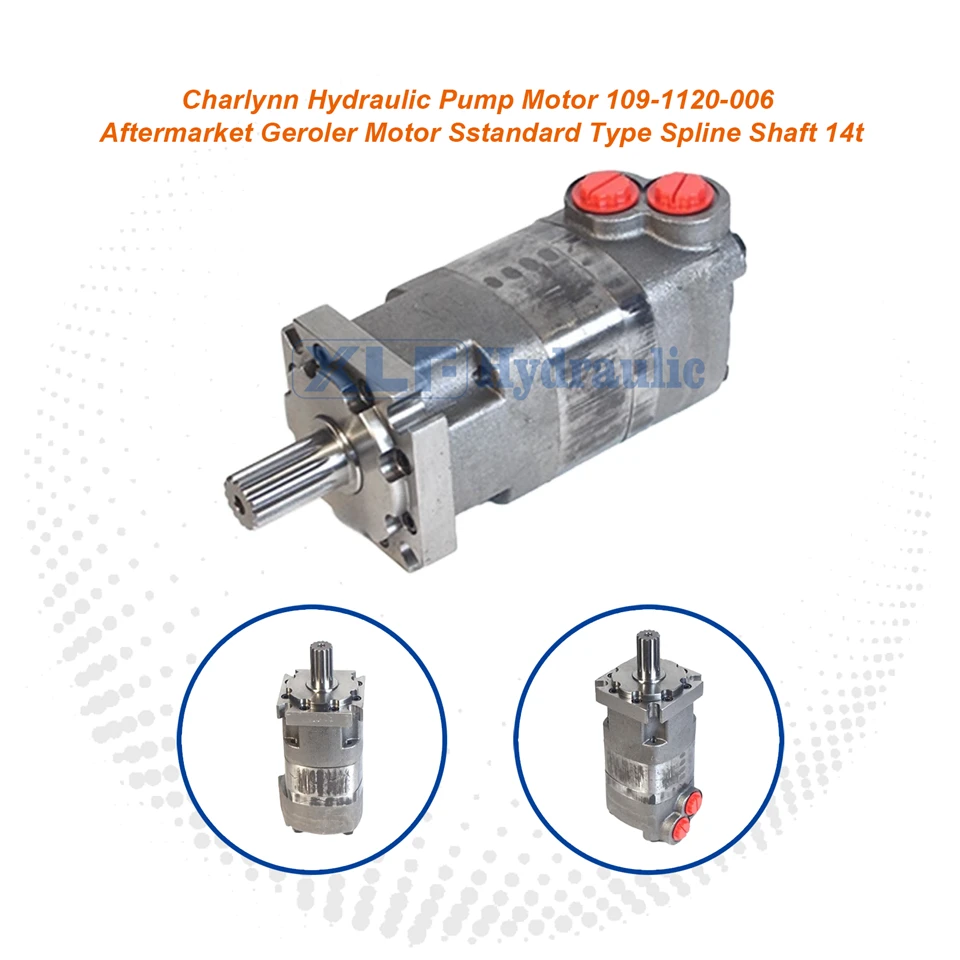
You might be wondering: what about older axial piston motor models, like the Geroler Hydraulic Pump Motor - Charlynn 109-1120-006 Aftermarket 14t Spline Shaft Standard Type? Can those work in cold environments too? It depends. If you have an older motor that's well-maintained, you can adjust the hydraulic fluid and take other steps to improve performance, but it's not designed for the extreme cold that modern variants handle. We often recommend upgrading to a low-temperature axial piston motor like the ones we supply for customers who are replacing old motors in equipment that runs in consistently cold weather, because the upfront cost is offset by less downtime and fewer repairs in the long run.
Of course, there are limits to what axial piston motors can handle in cold environments. If temperatures drop below -40°F, even the best-engineered motor will struggle, because the hydraulic fluid becomes almost solid, and the seals and moving parts can't overcome the friction. In those cases, you'll need specialized equipment with built-in fluid heaters and insulated lines, which is a solution many industries in the Arctic use. But for most common low-temperature applications-from -10°F to -30°F-axial piston motors work reliably if you pair them with the right setup.
So what steps should you take to make sure your axial piston motor works well in cold environments? First, use a winter-grade hydraulic fluid with a viscosity index that's rated for low temperatures. Most fluid manufacturers publish temperature ranges, so look for one that will stay fluid at the lowest temperature your equipment will encounter. Second, choose a motor that's specifically designed for cold operation, like the models we supply for agricultural, winch, and marine applications. These motors have the right seals, clearances, and materials to handle thick fluids and low start-up temperatures. Third, warm up your system gradually before putting a full load on the motor. Even if you have a low-temperature motor, letting it run at idle for a few minutes to generate heat will help the fluid flow better and reduce wear on the parts. Fourth, perform regular maintenance: check seals for cracks, change the hydraulic fluid on schedule, and inspect the piston and cylinder barrel for wear, especially after operating in cold conditions.
As a supplier of axial piston motors, I've spent years working with customers to solve their cold-weather hydraulic problems, and I can tell you that the most common mistake is assuming that any axial piston motor will work in any environment. It's not about the motor itself-it's about matching the motor to the application, and accounting for the conditions it will operate in. Our team tests every motor we supply in temperature-controlled environments to make sure it performs as advertised, and we work closely with customers to recommend the right model for their specific needs, whether they're running a tractor in Minnesota or a winch in Alaska.
If you're working with axial piston motors in low-temperature environments and you're not sure which model is right for you, or if you have questions about fluid selection, seal maintenance, or cold start-up procedures, we're here to help. We understand that downtime in cold weather can be costly, and we want to make sure your equipment runs reliably no matter what the temperature is outside. Whether you're looking for a replacement motor, upgrading an existing system, or just need advice on how to improve cold-weather performance, our team can provide the expertise and products you need.
Don't let cold temperatures slow down your operations. Contact our team to learn more about our axial piston motor options for low-temperature applications, or to discuss your specific project needs. We're committed to helping you find the right solution to keep your equipment running, even when the mercury drops.
References
- Hydraulic Fluid Viscosity and Temperature: Industry Standards for Cold Weather Operation. National Fluid Power Association.
- Axial Piston Motor Design for Low-Temperature Environments. Mobile Hydraulics Journal, 2022.
- Seal Material Performance in Sub-Zero Conditions. Polymer Engineering & Science, Vol. 61, No. 4, 2021.
- Agricultural Hydraulic Systems in Cold Climates: Best Practices. American Society of Agricultural and Biological Engineers, 2020.