As a reliable supplier of axial displacement pumps, I understand the critical importance of ensuring their stable operation. Axial displacement pumps are widely used in various industrial applications, from construction machinery to manufacturing equipment. In this blog, I will share some practical tips and strategies to help you maintain the stable operation of axial displacement pumps.

1. Understanding the Working Principle of Axial Displacement Pumps
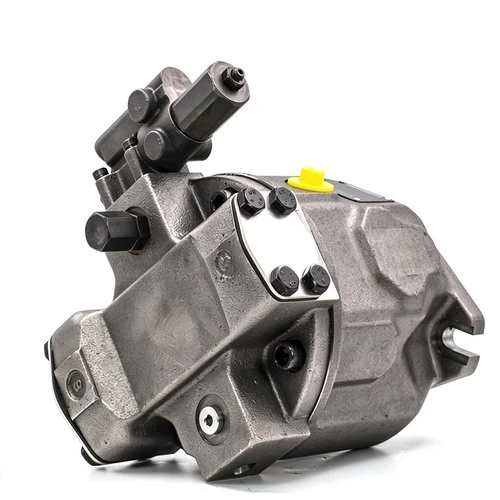
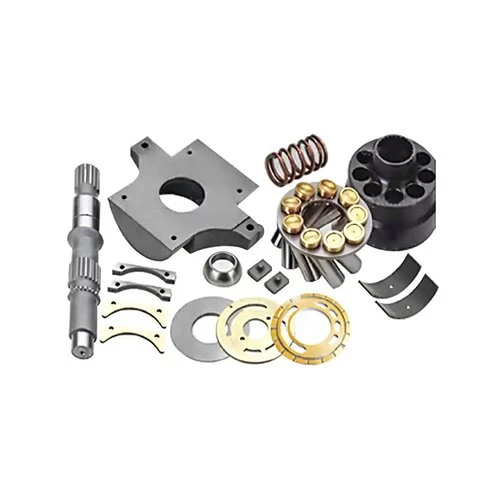
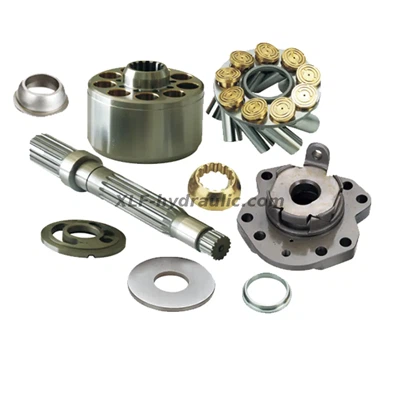
Before delving into the ways to ensure stable operation, it's essential to have a basic understanding of how axial displacement pumps work. Axial displacement pumps operate based on the principle of positive displacement. They use a series of pistons arranged axially within a cylinder block. As the cylinder block rotates, the pistons reciprocate, creating a suction and discharge action that moves fluid through the pump.
2. Selecting the Right Pump for the Application
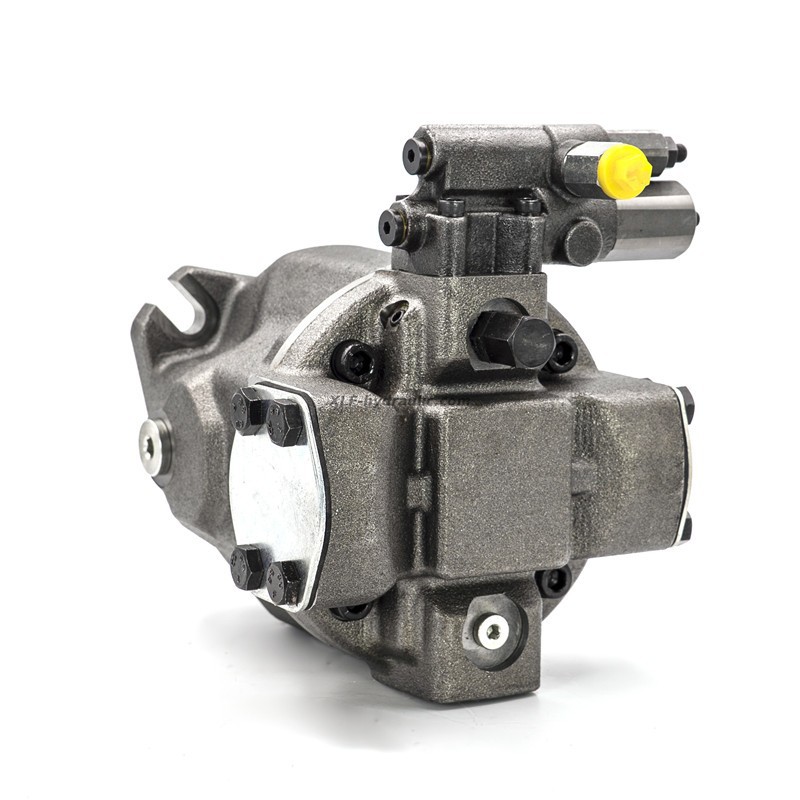
One of the primary factors influencing the stable operation of an axial displacement pump is the proper selection of the pump for the specific application. Different applications have different requirements in terms of flow rate, pressure, and fluid viscosity. For example, a Hydraulic Fixed Displacement Radial Piston Pump 172 5637 For Cat D11r Track Type Tractor is designed to meet the high-pressure and high-flow requirements of heavy - duty construction equipment.
When choosing an axial displacement pump, consider the following factors:
- Flow Rate: Determine the required flow rate based on the application's needs. The pump should be able to deliver the necessary volume of fluid within the specified time frame.
- Pressure: Consider the maximum pressure the pump will need to withstand. Select a pump with a pressure rating that exceeds the expected operating pressure to ensure safety and reliability.
- Fluid Viscosity: The viscosity of the fluid being pumped affects the pump's performance. Pumps are designed to work optimally with fluids of a certain viscosity range. Using a pump with a fluid outside its recommended viscosity range can lead to reduced efficiency and potential damage.
3. Proper Installation and Alignment
Proper installation and alignment are crucial for the stable operation of an axial displacement pump. Incorrect installation can cause excessive vibration, noise, and premature wear of pump components.
- Mounting: Ensure that the pump is mounted securely on a stable base. Use appropriate mounting brackets and fasteners to prevent any movement during operation.
- Shaft Alignment: Proper shaft alignment between the pump and the driver (such as an electric motor or an engine) is essential. Misaligned shafts can cause uneven loading on the pump bearings and seals, leading to increased wear and potential failure. Use alignment tools to ensure that the shafts are aligned within the manufacturer's recommended tolerances.
- Piping Installation: The piping connected to the pump should be properly sized and installed. Avoid sharp bends and restrictions in the piping, as they can cause pressure drops and turbulence. Use flexible couplings to absorb any vibrations and misalignments in the piping system.
4. Regular Maintenance and Inspection
Regular maintenance and inspection are key to ensuring the long - term stable operation of an axial displacement pump.
- Lubrication: Proper lubrication of the pump's moving parts is essential. Follow the manufacturer's recommendations for the type and frequency of lubricant changes. Insufficient lubrication can cause increased friction and wear, while over - lubrication can lead to seal damage and contamination.
- Filter Replacement: Install and regularly replace filters in the pump's inlet and outlet lines. Filters help remove contaminants from the fluid, preventing them from entering the pump and causing damage to internal components.
- Seal Inspection: Check the pump seals regularly for signs of wear or leakage. Worn seals can allow fluid to escape, leading to reduced efficiency and potential environmental hazards. Replace seals as soon as any signs of damage are detected.
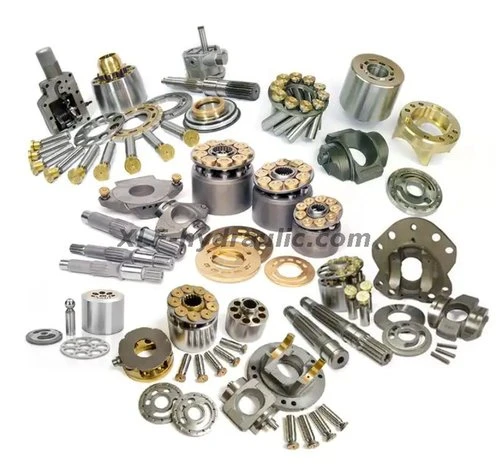
- Component Inspection: Periodically inspect the pump's internal components, such as pistons, cylinders, and valves. Look for signs of wear, corrosion, or damage. Replace any worn or damaged components promptly to prevent further problems.
5. Monitoring and Control
Implementing a monitoring and control system can help detect potential issues early and ensure the stable operation of the axial displacement pump.
- Pressure and Flow Monitoring: Install pressure and flow sensors in the pump system to continuously monitor the operating parameters. Deviations from the normal pressure and flow values can indicate a problem, such as a blockage or a pump malfunction.
- Temperature Monitoring: Monitor the temperature of the pump and the fluid. High temperatures can indicate excessive friction or a problem with the cooling system. If the temperature exceeds the recommended limits, take appropriate action, such as reducing the load or checking the cooling system.
- Vibration Monitoring: Use vibration sensors to detect any abnormal vibrations in the pump. Excessive vibration can be a sign of misalignment, unbalanced components, or internal damage. Analyze the vibration data to identify the source of the problem and take corrective measures.
6. Training and Operator Education
Proper training and education of pump operators are essential for the stable operation of axial displacement pumps. Operators should be familiar with the pump's operating manual, safety procedures, and maintenance requirements.
- Operation Training: Train operators on how to start, stop, and adjust the pump correctly. Teach them to monitor the pump's operating parameters and recognize any signs of trouble.
- Safety Training: Emphasize the importance of safety when working with axial displacement pumps. Train operators on the proper use of personal protective equipment (PPE) and the handling of hazardous fluids.
- Maintenance Training: Provide operators with basic maintenance training, such as how to perform simple inspections and lubrication tasks. This can help them identify and address minor issues before they become major problems.
7. Troubleshooting and Problem - Solving
Despite taking all the necessary precautions, problems may still occur with an axial displacement pump. Knowing how to troubleshoot and solve these problems quickly can minimize downtime and prevent further damage.
- Identify the Problem: When a problem occurs, start by gathering information about the symptoms, such as abnormal noise, reduced flow, or high pressure. Use diagnostic tools and techniques to narrow down the possible causes.
- Check the Basics: Before assuming a major pump failure, check the basic components, such as the power supply, fluid level, and filter condition. Many problems can be resolved by simply addressing these basic issues.
- Refer to the Manufacturer's Manual: The pump's manufacturer's manual is a valuable resource for troubleshooting. It contains detailed information about the pump's components, operating principles, and common problems and their solutions.
- Seek Professional Help: If you are unable to diagnose or solve the problem on your own, seek the help of a professional pump technician or the pump manufacturer's technical support team.
8. Upgrading and Modernizing
As technology advances, upgrading and modernizing your axial displacement pump system can improve its performance and stability.
- Newer Pump Models: Consider upgrading to a newer model of the axial displacement pump. Newer models often incorporate advanced technologies and design improvements that can offer better efficiency, reliability, and performance.
- Control System Upgrades: Upgrading the pump's control system can provide more precise control over the pump's operation. Advanced control systems can adjust the pump's speed, flow rate, and pressure based on the actual operating conditions, improving energy efficiency and reducing wear.
Conclusion
Ensuring the stable operation of an axial displacement pump requires a comprehensive approach that includes proper selection, installation, maintenance, monitoring, and troubleshooting. By following the tips and strategies outlined in this blog, you can maximize the performance and lifespan of your axial displacement pump.
If you are in the market for a high - quality axial displacement pump or need assistance with pump selection, installation, or maintenance, we are here to help. Our team of experts has extensive experience in the field of axial displacement pumps and can provide you with the best solutions for your specific needs. Contact us today to start a procurement discussion and take your industrial operations to the next level.
References
- Manufacturer's manuals of axial displacement pumps
- Industry standards and guidelines for pump installation and maintenance
- Technical literature on hydraulic pump technology