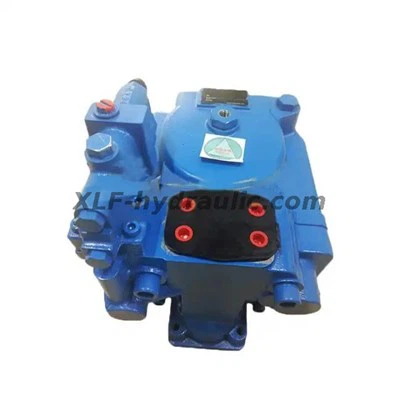
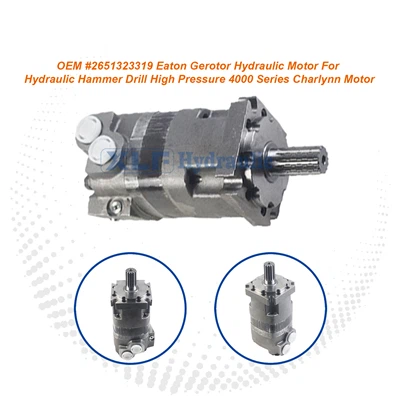
As a trusted supplier of Rexroth series hydraulic products, I've had the privilege of delving deep into the intricacies of these high - performance hydraulic valves. In this blog, I'll explore what the transient response of Rexroth series hydraulic valves is, why it matters, and how it impacts various applications.
Understanding Transient Response
The transient response of a hydraulic valve refers to its behavior during the transition from one steady - state condition to another. In the context of Rexroth series hydraulic valves, this is a crucial characteristic as hydraulic systems often need to rapidly change flow rates, pressures, or directions. When a command is sent to a Rexroth hydraulic valve, such as a signal to open or close, it doesn't achieve the new state instantaneously. Instead, there is a period of adjustment, which is the transient phase.
During this transient phase, several factors come into play. The valve has internal components like spools, poppets, and springs that need to move and adjust. Fluid inertia also plays a significant role. The fluid in the valve and the connected hydraulic lines has mass, and it takes time to accelerate or decelerate this fluid mass. Additionally, there may be frictional forces within the valve and the hydraulic circuit, as well as compressibility of the hydraulic fluid, all of which affect the transient response.
Importance of Transient Response in Hydraulic Systems
The transient response of Rexroth series hydraulic valves is of utmost importance in many industrial and mobile applications. In manufacturing processes, for example, precise control of hydraulic actuators is essential. A fast and well - controlled transient response allows for quick and accurate movement of robotic arms, presses, and other machinery. This leads to higher productivity and better - quality products.
In mobile equipment like excavators, the transient response of the hydraulic valves directly affects the machine's maneuverability. Operators need to be able to make rapid and smooth changes in the movement of buckets, booms, and arms. A valve with a poor transient response may result in jerky movements, which not only reduces operator comfort but also increases wear and tear on the equipment.
Factors Affecting the Transient Response of Rexroth Series Hydraulic Valves
Valve Design
Rexroth invests heavily in valve design to optimize transient response. The shape and size of the valve spools, the flow paths, and the way the valve is actuated all play a part. For example, a well - designed spool can reduce the time it takes for the valve to reach the desired position. The use of advanced materials in spool construction can also minimize frictional forces, allowing for faster movement.
Hydraulic Fluid Properties
The properties of the hydraulic fluid, such as viscosity and compressibility, have a significant impact on transient response. High - viscosity fluids may cause slower response times because they offer more resistance to flow. On the other hand, highly compressible fluids can absorb energy during the transient phase, leading to a longer adjustment period. Rexroth provides guidelines on the types of hydraulic fluids that are best suited for their valves to ensure optimal transient response.
System Pressure and Flow Rates
The operating pressure and flow rates in the hydraulic system also influence the transient response. High - pressure systems may require valves with more robust construction to handle the forces involved. At the same time, large flow rates mean that more fluid needs to be moved, which can slow down the transient response. Rexroth valves are designed to work within specific pressure and flow - rate ranges, and proper system design is crucial to ensure that the valves can operate within their optimal parameters.
Measuring the Transient Response
To assess the performance of Rexroth series hydraulic valves in terms of transient response, several methods are used. One common approach is to measure the time it takes for the valve to reach a certain percentage (e.g., 90%) of its final position or flow rate after a command is issued. This is known as the rise time. Another important parameter is the overshoot, which is the amount by which the valve response exceeds the final desired value before stabilizing.


In addition to these time - based measurements, frequency - domain analysis can also be used. By subjecting the valve to a sinusoidal input signal and analyzing its output, engineers can determine the valve's frequency response characteristics. This provides valuable information about how the valve will respond to dynamic inputs and helps in designing control systems that can compensate for any deficiencies in the transient response.
Applications and Transient Response Requirements
Industrial Automation
In industrial automation applications such as conveyor systems and assembly lines, Rexroth hydraulic valves need to have a very fast and precise transient response. These systems often operate at high speeds, and any delay in the valve's response can lead to production bottlenecks. For example, in a pick - and - place robot, the hydraulic valves controlling the movement of the robotic arm need to respond quickly to ensure accurate part placement.
Mobile Machinery
As mentioned earlier, mobile machinery like excavators, loaders, and forklifts rely on Rexroth hydraulic valves for their operation. In these applications, the transient response needs to be smooth and predictable. Operators expect the equipment to respond immediately to their control inputs, and a good transient response ensures that the machinery can perform tasks efficiently and safely.
Enhancing the Transient Response
There are several ways to enhance the transient response of Rexroth series hydraulic valves. One is through proper system design. This includes ensuring that the hydraulic lines are of the correct size and length to minimize fluid inertia and pressure losses. The use of accumulators in the system can also help by storing and releasing energy during the transient phase, reducing the load on the valves.
Another approach is through the use of advanced control algorithms. Modern control systems can monitor the valve's response in real - time and adjust the control signals accordingly. For example, if the valve is experiencing a large overshoot, the control system can reduce the input signal to bring the valve back to the desired state more quickly.
Our Offerings as a Rexroth Series Supplier
As a supplier of Rexroth series products, we offer a wide range of hydraulic valves with excellent transient response characteristics. We also provide high - quality spare parts such as Repair Kits Rexroth A6VE Series Axial Piston Fixed Motor Hydraulic Machine Spare Parts, Rexroth A8VO Series Excavator Axial Piston Fixed Pump Hydraulic Pump Accessories, and Hydraulic Parts Piston Metering Pump Rexroth A4VSO Series Hydraulic Pump Spares. These parts are essential for maintaining the performance of your hydraulic systems and ensuring that the valves continue to have optimal transient response.
Contact for Procurement
If you are in the market for Rexroth series hydraulic valves or related spare parts, we invite you to contact us for procurement discussions. Whether you need advice on valve selection based on your transient - response requirements or information about our spare - parts inventory, our team of experts is ready to assist you.
References
- Fluid Power Handbook, Various Authors
- Rexroth Hydraulic Product Manuals
- Research Papers on Hydraulic System Dynamics