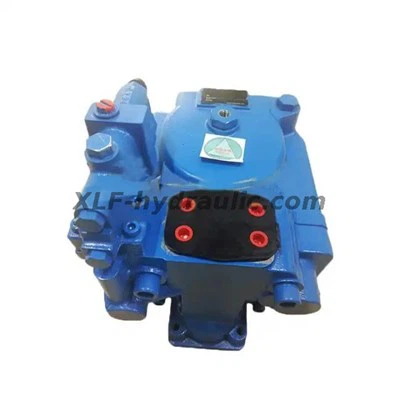
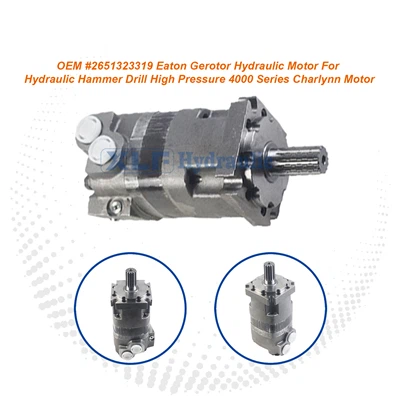
As a supplier of axial displacement pumps, I've witnessed firsthand the intricate dance of components that make these machines work efficiently. One of the most critical yet often overlooked components in an axial displacement pump is the bearing. In this blog post, I'll delve into the role of bearings in an axial displacement pump, exploring their functions, types, and the impact they have on the overall performance of the pump.
The Basics of Axial Displacement Pumps
Before we dive into the role of bearings, let's briefly review what an axial displacement pump is. Axial displacement pumps are a type of hydraulic pump that uses pistons arranged axially (parallel to the drive shaft) to create fluid flow. These pumps are known for their high efficiency, compact design, and ability to handle high pressures. They are commonly used in a variety of applications, including construction equipment, industrial machinery, and automotive systems.
The Role of Bearings in an Axial Displacement Pump
Bearings play a crucial role in the operation of an axial displacement pump. Their primary function is to support the rotating components of the pump, such as the drive shaft and pistons, and reduce friction between these components. By reducing friction, bearings help to improve the efficiency of the pump, reduce wear and tear on the components, and extend the lifespan of the pump.
1. Support and Alignment
One of the main roles of bearings in an axial displacement pump is to provide support and alignment for the rotating components. The drive shaft of the pump is subjected to significant radial and axial loads during operation. Bearings are designed to withstand these loads and keep the drive shaft in proper alignment. This ensures that the pistons move smoothly and efficiently within the pump, minimizing vibration and noise.
2. Reducing Friction
Friction is one of the biggest enemies of any mechanical system. In an axial displacement pump, friction between the rotating components can lead to energy losses, increased wear and tear, and reduced efficiency. Bearings are designed to reduce friction by providing a smooth surface for the rotating components to move on. This helps to improve the overall efficiency of the pump and reduce the amount of energy required to operate it.
3. Absorbing Shock and Vibration
Axial displacement pumps can generate significant shock and vibration during operation. These forces can cause damage to the pump components and reduce the lifespan of the pump. Bearings are designed to absorb shock and vibration, protecting the pump components from damage and ensuring smooth operation.
4. Maintaining Lubrication
Proper lubrication is essential for the smooth operation of an axial displacement pump. Bearings help to maintain lubrication by providing a barrier between the rotating components and the lubricant. This helps to prevent the lubricant from leaking out of the pump and ensures that the components are properly lubricated at all times.
Types of Bearings Used in Axial Displacement Pumps
There are several types of bearings used in axial displacement pumps, each with its own unique characteristics and advantages. The most common types of bearings used in these pumps include:
1. Ball Bearings
Ball bearings are the most commonly used type of bearing in axial displacement pumps. They consist of a series of balls that are held in place by a cage. Ball bearings are known for their low friction, high speed capabilities, and ability to handle both radial and axial loads. They are typically used in applications where high precision and low noise are required.
2. Roller Bearings
Roller bearings are another type of bearing commonly used in axial displacement pumps. They consist of a series of cylindrical or tapered rollers that are held in place by a cage. Roller bearings are known for their high load-carrying capacity and ability to handle heavy radial and axial loads. They are typically used in applications where high loads and slow speeds are required.
3. Thrust Bearings
Thrust bearings are designed to handle axial loads only. They are typically used in applications where the pump is subjected to significant axial forces, such as in a high-pressure hydraulic system. Thrust bearings can be either ball or roller bearings, depending on the specific application.
Impact of Bearings on Pump Performance
The quality and condition of the bearings in an axial displacement pump can have a significant impact on the overall performance of the pump. Here are some of the key ways that bearings can affect pump performance:
1. Efficiency
As mentioned earlier, bearings help to reduce friction in the pump, which in turn improves the efficiency of the pump. By using high-quality bearings, you can minimize energy losses and reduce the amount of power required to operate the pump. This can result in significant cost savings over the life of the pump.
2. Reliability
Bearings play a crucial role in the reliability of an axial displacement pump. By providing support and alignment for the rotating components, bearings help to prevent premature wear and tear on the components. This can reduce the likelihood of pump failure and downtime, ensuring that your equipment operates smoothly and efficiently.

3. Noise and Vibration
The quality of the bearings can also affect the noise and vibration levels of the pump. High-quality bearings are designed to minimize noise and vibration, providing a quieter and more comfortable operating environment. This is especially important in applications where noise and vibration can be a concern, such as in residential or commercial settings.
Choosing the Right Bearings for Your Axial Displacement Pump
When choosing bearings for your axial displacement pump, it's important to consider several factors, including the type of pump, the operating conditions, and the specific requirements of your application. Here are some tips to help you choose the right bearings for your pump:
1. Consider the Load Requirements
The load requirements of your pump will determine the type and size of bearings you need. Make sure to choose bearings that are capable of handling the radial and axial loads that your pump will be subjected to during operation.
2. Choose High-Quality Bearings
Investing in high-quality bearings is essential for the long-term performance and reliability of your pump. Look for bearings that are made from high-quality materials and are designed to meet or exceed industry standards.
3. Consider the Operating Conditions
The operating conditions of your pump, such as temperature, speed, and lubrication, can also affect the performance of the bearings. Make sure to choose bearings that are suitable for the specific operating conditions of your pump.
Our Product Offerings
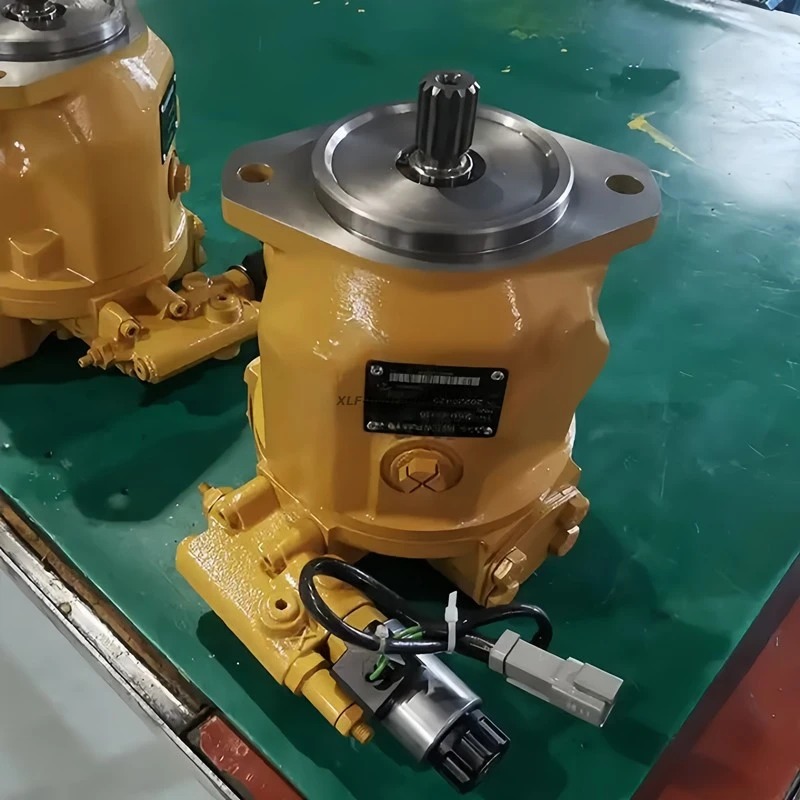
As a leading supplier of axial displacement pumps, we offer a wide range of high-quality pumps and components, including bearings. Our Fan Pump 170 9918 Axial Variable Displacement Pump for CAT Excavator 385 is designed to provide reliable performance in demanding applications. It features high-quality bearings that are designed to withstand the rigors of heavy-duty use.
We also offer the Hydraulic Swash Plate Type Axial Piston Pump 202 1335 For Cat Pillar Wheel Tractor. This pump is built with precision bearings that ensure smooth operation and long service life.
In addition, our PGP Series Direct Parker Replacement Pgp505 Pgp Series Hydraulic Axial Piston Pump Types are equipped with top-of-the-line bearings to deliver superior performance and efficiency.
Contact Us for Your Axial Displacement Pump Needs
If you're in the market for a high-quality axial displacement pump or need to replace the bearings in your existing pump, we're here to help. Our team of experts can assist you in choosing the right pump and components for your specific application. Contact us today to discuss your requirements and start the procurement process.
References
- Fluid Power Handbook, Hydraulic Institute
- Pump Application Engineering, Karassik et al.