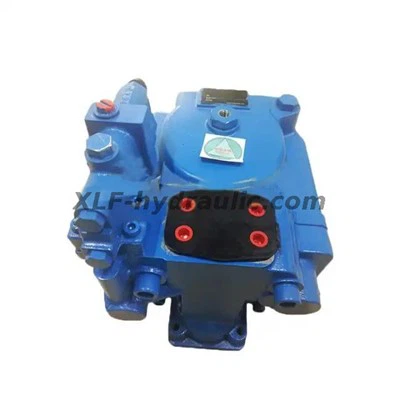
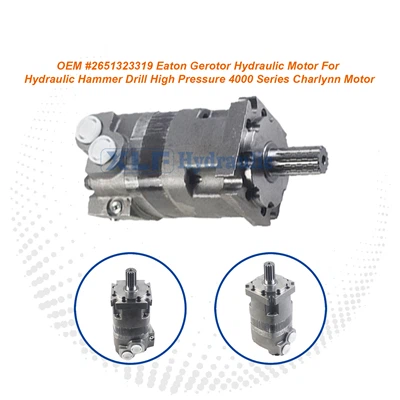
As a dedicated supplier of Hitachi series products, I've garnered extensive knowledge about the unique input/output ports of these remarkable machines. Understanding these ports is crucial for anyone involved in operating, maintaining, or even just researching Hitachi equipment. In this blog post, I'll delve into the intricacies of the input/output ports of the Hitachi series, shedding light on their functions and significance.
Understanding Input Ports
Input ports in Hitachi series machines serve as the gateways through which various signals and power sources are introduced. These signals can be of different types, including electrical, hydraulic, and mechanical. Each type of input port is designed to handle specific tasks and ensure the smooth operation of the equipment.
Electrical Input Ports
Many Hitachi machines are equipped with electrical input ports to connect them to external power sources or control systems. These ports typically come in different sizes and configurations, depending on the specific requirements of the equipment. For example, smaller electrical input ports may be used to connect sensors or control modules, while larger ports are designed for high - power connections.
One of the common functions of electrical input ports is to receive signals from sensors installed throughout the machine. These sensors can detect various parameters such as temperature, pressure, and position. The data collected by these sensors is then transmitted through the electrical input ports to the machine's control unit, which uses this information to make real - time adjustments and ensure optimal performance.
Hydraulic Input Ports
Hydraulic systems are a cornerstone of many Hitachi construction and industrial machines. Hydraulic input ports are used to connect the machine to external hydraulic power sources, such as pumps or accumulators. These ports are designed to handle high - pressure hydraulic fluid and are often equipped with special seals and connectors to prevent leaks.
The hydraulic input ports play a vital role in powering the machine's hydraulic components, such as cylinders and motors. By controlling the flow and pressure of the hydraulic fluid through these ports, operators can manipulate the movement and force of the machine's working parts. For instance, in an excavator, the hydraulic input ports are used to power the boom, arm, and bucket, allowing for precise digging and lifting operations.
Mechanical Input Ports
Mechanical input ports are less common but still important in certain Hitachi machines. These ports are used to connect external mechanical devices, such as gears or pulleys, to the machine. Mechanical input ports can transfer rotational or linear motion from an external source to the machine, enabling it to perform specific tasks.
For example, in some Hitachi generators, mechanical input ports are used to connect the engine to the generator's rotor. The rotation of the engine is transferred through the mechanical input port, which then drives the generator to produce electricity.
Exploring Output Ports
Output ports in Hitachi series machines are responsible for sending signals or power to external devices. Similar to input ports, output ports can be electrical, hydraulic, or mechanical.
Electrical Output Ports
Electrical output ports are used to transmit electrical signals from the machine's control unit to external devices. These devices can include lights, alarms, or other control modules. The electrical signals sent through these ports can be used to indicate the machine's status, trigger specific actions, or communicate with other systems.
In some cases, electrical output ports are also used to provide power to external accessories. For example, in a Hitachi forklift, an electrical output port may be used to power a fork - mounted scale or a lighting system for night - time operations.
Hydraulic Output Ports
Hydraulic output ports are designed to send pressurized hydraulic fluid to external hydraulic components. These ports are often connected to hydraulic actuators, such as expandable cylinders or motors, which use the hydraulic power to perform work.
In an Hitachi bulldozer, hydraulic output ports are used to supply power to the blade's lifting and tilting cylinders. By controlling the flow of hydraulic fluid through these ports, the operator can adjust the position and angle of the blade, enabling efficient earth - moving operations.
Mechanical Output Ports
Mechanical output ports transfer mechanical power from the machine to external devices. These ports can be in the form of shafts, couplings, or other mechanical connectors. Mechanical output ports are commonly found in industrial machines such as conveyor systems or crushers, where they are used to drive the movement of external components.
Importance of Knowing Input/Output Ports
Understanding the input/output ports of Hitachi series machines is essential for several reasons. Firstly, it allows for proper installation and connection of the machine to external power sources, control systems, and accessories. Incorrect connection of input/output ports can lead to equipment damage, reduced performance, or even safety hazards.
Secondly, knowledge of these ports simplifies maintenance and troubleshooting processes. When a machine malfunctions, technicians can use their understanding of the input/output ports to identify potential problems, such as loose connections or faulty sensors. By quickly diagnosing the issue, they can minimize downtime and ensure the machine is back in operation as soon as possible.
Related Spare Parts for Hitachi Series
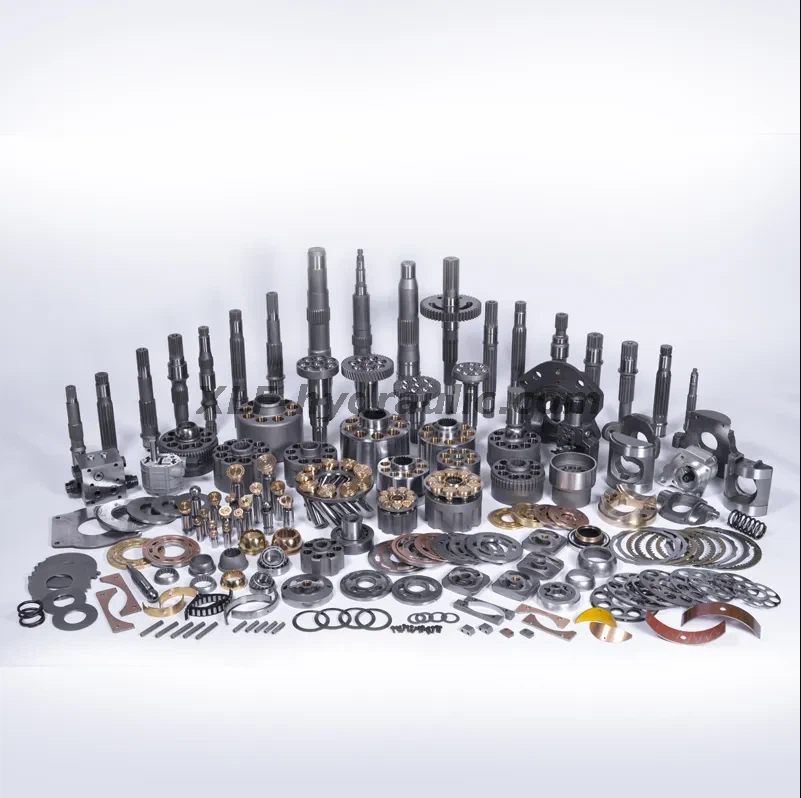
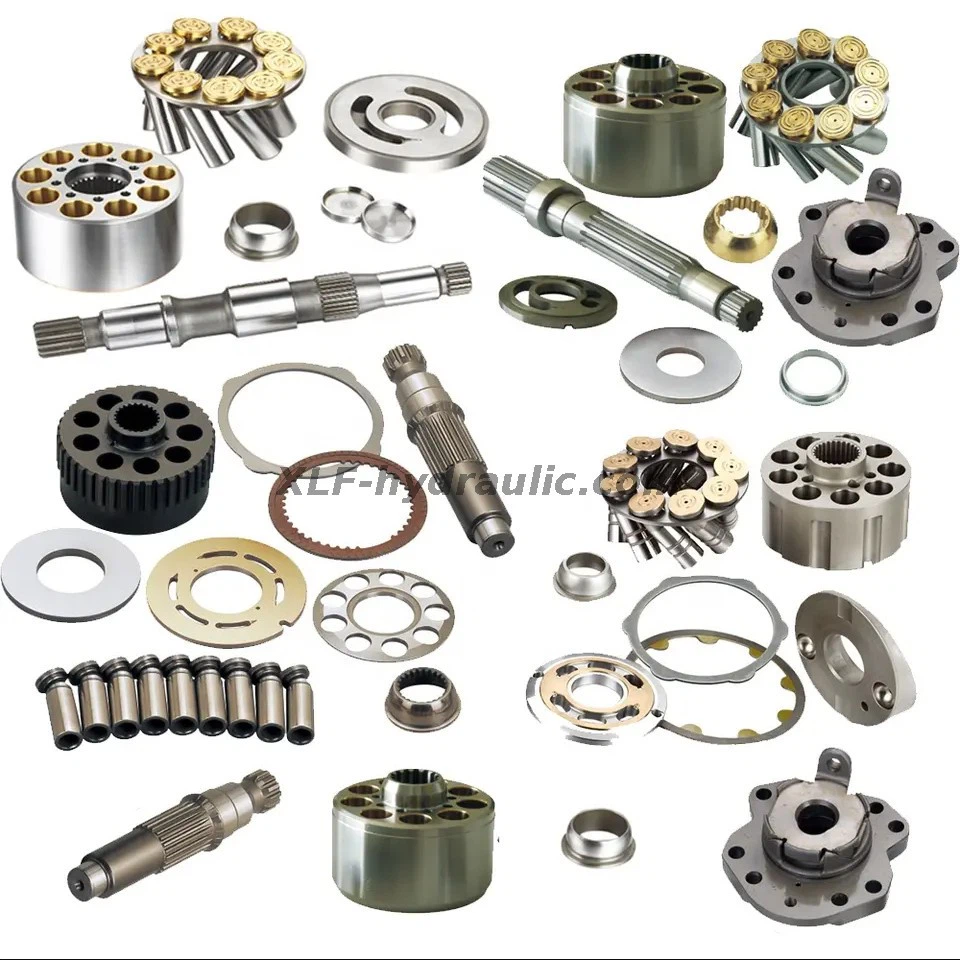
If you're working with Hitachi series machines, you may need spare parts for maintenance or repair. Here are some of the high - quality spare parts we offer:
- Excavator Hydraulic Rotary Plunger Pump Repair Kit PC320 Hydraulic Machine Spare Parts
- AP5S53 EX60 - 2 Axial Piston Fixed Motor Hydraulic Pump Spares
- HMGF57QA Axial Piston Fixed Motor Spare Parts Cylinder Block Piston Shoe Valve Plate Swash Plate
Contact for Purchase and Consultation
Whether you have questions about the input/output ports of Hitachi series machines or are interested in purchasing our high - quality spare parts, we're here to help. Feel free to reach out to us for more information and to start a fruitful business discussion. We're committed to providing you with the best solutions for your Hitachi equipment needs.
References
- Hitachi official product manuals
- Industry research on construction and industrial machinery input/output port systems
- Technical papers on hydraulic and electrical systems in heavy - duty equipment