Hey there! As a supplier of the Hawe series, I've had my fair share of questions about how these bad boys cool down. So, I thought I'd take a deep dive into the cooling methods of the Hawe series and share what I've learned with you all.
First off, let's talk about why cooling is so important. In hydraulic systems like those in the Hawe series, components generate a ton of heat during operation. If this heat isn't managed properly, it can lead to all sorts of problems, like reduced efficiency, premature wear and tear, and even system failure. That's where cooling methods come in – they help keep the system at an optimal temperature, ensuring smooth and reliable operation.
One of the most common cooling methods used in the Hawe series is air cooling. Air cooling is pretty straightforward – it uses the natural flow of air to dissipate heat from the hydraulic components. In a typical air-cooled Hawe system, you'll find a radiator or a heat exchanger. The hot hydraulic fluid passes through the radiator, and as air flows over the radiator fins, it carries away the heat.
The great thing about air cooling is that it's relatively simple and cost-effective. You don't need a lot of extra equipment or complex plumbing. It's also a good option for systems that don't generate an excessive amount of heat or are located in areas with good air circulation.
However, air cooling does have its limitations. It's not as efficient as some other cooling methods, especially in hot environments or when the system is under heavy load. In these cases, the air may not be able to carry away enough heat, and the system temperature can start to rise.
Another popular cooling method for the Hawe series is water cooling. Water cooling uses water as a coolant to absorb and transfer heat away from the hydraulic components. In a water-cooled system, the hot hydraulic fluid is passed through a water-cooled heat exchanger. The water circulates through the heat exchanger, absorbing the heat from the hydraulic fluid and carrying it away.
Water cooling is much more efficient than air cooling. Water has a higher heat capacity than air, which means it can absorb more heat per unit volume. This makes it ideal for systems that generate a large amount of heat or need to operate in high-temperature environments.
There are two main types of water cooling systems: open-loop and closed-loop. In an open-loop system, the water is taken from a source like a river, lake, or municipal water supply, passed through the heat exchanger, and then discharged back into the environment. This type of system is relatively simple and inexpensive, but it can be a problem if the water source is contaminated or if there are regulations against discharging used water.
A closed-loop system, on the other hand, recirculates the water. The water is cooled in a cooling tower or a chiller and then pumped back through the heat exchanger. This type of system is more complex and expensive to install, but it's more environmentally friendly and can be used in areas where water discharge is restricted.
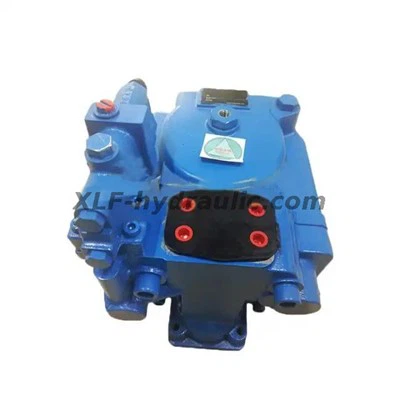
Now, let's talk about some of the specific Hawe products and their cooling methods. For example, the Hawe hydraulic tandem piston pumps are an important part of the Hawe series. These pumps can generate a significant amount of heat during operation, so proper cooling is crucial.
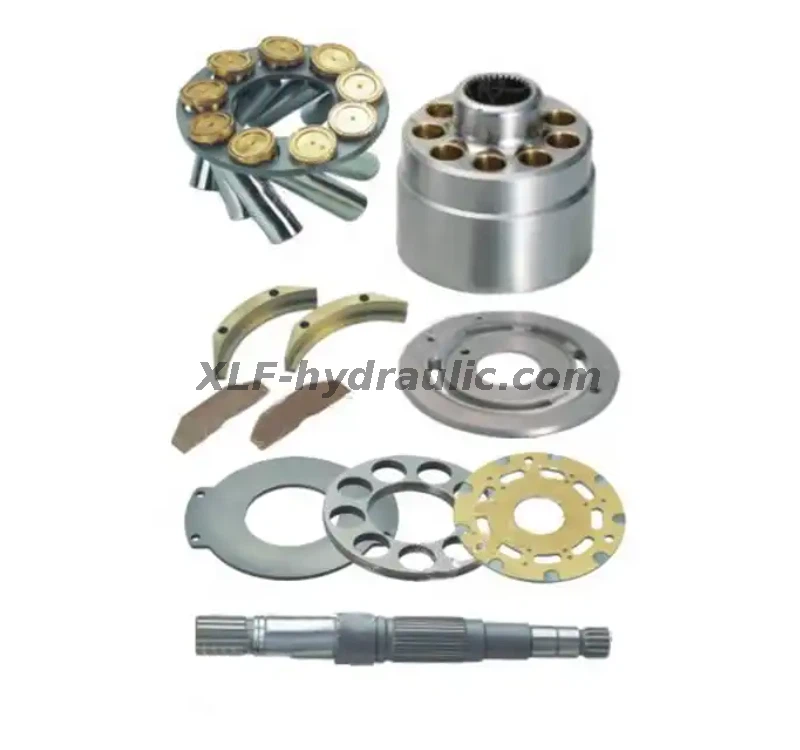
If you're looking for spare parts for your Hawe hydraulic tandem piston pump, like a rebuild kit, you can check out this link: Spare Parts Rebuild Kit For Hawei Hydraulic Tandem Piston Pump V60A Hydraulic System Spare Parts. This kit can help you keep your pump in top shape and ensure that it's operating efficiently.
In addition to air and water cooling, some Hawe systems may also use a combination of both methods. This is known as hybrid cooling. Hybrid cooling systems can take advantage of the benefits of both air and water cooling, providing a more efficient and reliable cooling solution.
For instance, a system might use air cooling as the primary cooling method under normal operating conditions. But when the system temperature starts to rise or the load increases, a water-cooling system can be activated to provide additional cooling.
When choosing a cooling method for your Hawe system, there are several factors you need to consider. First, you need to look at the heat load of the system. How much heat does the system generate during normal operation? This will depend on factors like the size of the system, the type of components, and the operating conditions.
You also need to consider the environment in which the system will be operating. Is it a hot, humid area? Does it have good air circulation? These factors can affect the performance of the cooling system.
Cost is another important factor. Air cooling is generally the most cost-effective option, but water cooling may be worth the investment if your system requires high efficiency and reliability.
Maintenance is also something to think about. Different cooling methods have different maintenance requirements. For example, water-cooled systems may require more frequent maintenance to prevent corrosion and scale buildup in the heat exchanger.
As a supplier of the Hawe series, I'm here to help you choose the right cooling method for your specific needs. Whether you're looking for a simple air-cooled system or a more complex hybrid cooling solution, I can provide you with the products and advice you need.
If you're interested in purchasing Hawe series products or need more information about their cooling methods, don't hesitate to get in touch. We can have a chat about your requirements and come up with the best solution for your system.
In conclusion, the cooling methods of the Hawe series play a crucial role in ensuring the performance and longevity of the hydraulic systems. Whether it's air cooling, water cooling, or a combination of both, choosing the right cooling method is essential for keeping your system running smoothly. So, if you have any questions or need help with your Hawe system, reach out, and let's start the conversation.
References
- Hydraulic System Design Handbook
- Hawe Product Manuals