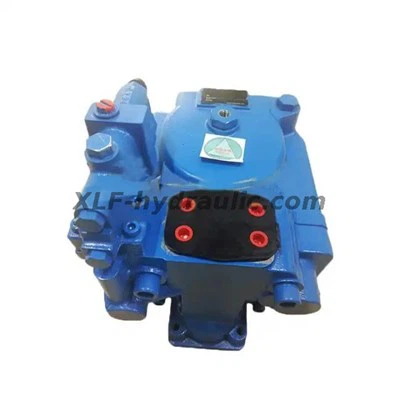
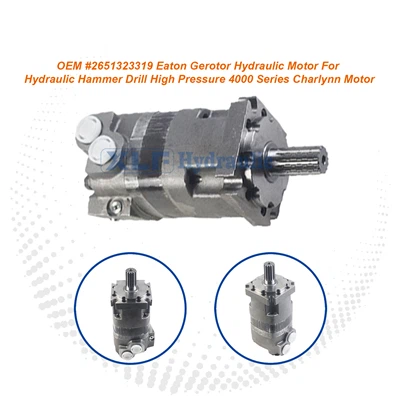
As a supplier of small vane pumps, I've witnessed firsthand the crucial role these components play in hydraulic systems. Small vane pumps are widely used in various industrial applications due to their compact size, high efficiency, and relatively quiet operation. However, to ensure optimal performance and longevity, several requirements must be met when using a small vane pump in a hydraulic system.


Fluid Compatibility
The first and foremost requirement is fluid compatibility. The hydraulic fluid used in the system must be compatible with the materials of the vane pump. Most small vane pumps are designed to work with mineral-based hydraulic oils. These oils have excellent lubricating properties, which are essential for reducing wear between the vanes and the pump housing.
However, in some applications, synthetic fluids may be required. For example, in high-temperature environments, synthetic fluids can maintain their viscosity better than mineral oils. It's important to consult the pump manufacturer's specifications to determine the appropriate fluid for your application. Using an incompatible fluid can lead to premature pump failure, as it may cause corrosion, swelling, or degradation of the pump components.
Viscosity Requirements
The viscosity of the hydraulic fluid is another critical factor. Viscosity refers to the fluid's resistance to flow. If the fluid is too viscous, it can cause excessive pressure drop across the pump, leading to increased power consumption and reduced efficiency. On the other hand, if the fluid is too thin, it may not provide adequate lubrication, resulting in increased wear and noise.
The ideal viscosity range for a small vane pump typically falls between 15 and 68 centistokes (cSt) at the operating temperature. It's important to measure the fluid viscosity at the actual operating temperature, as viscosity changes with temperature. For instance, hydraulic fluid becomes thinner as the temperature rises. Therefore, in cold environments, a lower-viscosity fluid may be required to ensure proper pump operation.
Filtration
Proper filtration is essential for protecting the small vane pump from contaminants. Contaminants such as dirt, metal particles, and water can cause significant damage to the pump components. The vanes in a vane pump are very sensitive to abrasion, and even small particles can cause premature wear.
A high-quality filtration system should be installed in the hydraulic system to remove contaminants from the fluid. The filtration level should be selected based on the pump manufacturer's recommendations. Generally, a filtration rating of 10 to 25 microns is suitable for most small vane pump applications. Regularly replacing the filters is also crucial to maintain the effectiveness of the filtration system.
Pressure and Flow Requirements
Understanding the pressure and flow requirements of the hydraulic system is vital for selecting the right small vane pump. The pump must be capable of delivering the required flow rate at the specified pressure. The flow rate is determined by the application's needs, such as the speed of the hydraulic cylinders or motors.
The pressure rating of the pump should be higher than the maximum operating pressure of the system to ensure safe and reliable operation. However, it's important not to oversize the pump, as this can lead to increased energy consumption and unnecessary costs. When selecting a pump, consider factors such as the system's duty cycle, peak loads, and operating conditions.
Mounting and Installation
Proper mounting and installation of the small vane pump are essential for its performance and longevity. The pump should be mounted securely to a rigid base to minimize vibration. Excessive vibration can cause premature wear of the pump components and lead to noise and leakage.
The pump should also be installed in a clean and dry environment. Avoid installing the pump in areas where it may be exposed to water, dust, or other contaminants. Additionally, ensure that the pump is properly aligned with the drive shaft. Misalignment can cause excessive stress on the pump bearings and seals, leading to premature failure.
Cooling and Heat Dissipation
In some applications, the small vane pump may generate a significant amount of heat. Excessive heat can cause the hydraulic fluid to degrade, reduce its viscosity, and damage the pump components. Therefore, proper cooling and heat dissipation are necessary.
There are several ways to cool the hydraulic system, such as using a heat exchanger or a cooling fan. The heat exchanger can transfer the heat from the hydraulic fluid to a cooling medium, such as water or air. The cooling fan can be used to increase the airflow around the pump and the hydraulic reservoir, helping to dissipate heat more effectively.
Maintenance and Inspection
Regular maintenance and inspection are crucial for ensuring the long-term performance of the small vane pump. This includes checking the fluid level, viscosity, and contamination regularly. The pump should also be inspected for any signs of wear, leakage, or damage.
Replace the hydraulic fluid and filters at the recommended intervals. This helps to maintain the fluid's properties and prevent contaminants from accumulating in the system. Additionally, lubricate the pump bearings and seals as needed to ensure smooth operation.
Compatibility with Other Components
The small vane pump must be compatible with other components in the hydraulic system, such as valves, cylinders, and motors. The flow rate and pressure requirements of the pump should match the requirements of the other components. For example, if the pump delivers too much flow, it may cause the valves to malfunction or the cylinders to move too quickly.
It's also important to consider the compatibility of the pump's control system with the overall system. Some pumps may require specific control valves or sensors to operate effectively. Ensure that all components are properly integrated and communicate with each other to achieve optimal system performance.
Conclusion
Using a small vane pump in a hydraulic system requires careful consideration of several factors, including fluid compatibility, viscosity, filtration, pressure and flow requirements, mounting and installation, cooling, maintenance, and compatibility with other components. By meeting these requirements, you can ensure the optimal performance and longevity of the pump, reduce downtime, and save on maintenance costs.
If you're in the market for a high-quality small vane pump or need more information about our products, please feel free to contact us. We're a leading supplier of small vane pumps and can provide you with the right solution for your hydraulic system. Our team of experts is always ready to assist you with your technical questions and help you select the best pump for your application.
For more information about our other hydraulic pump products, you can visit the following links:
Hydraulic Fixed Displacement Pump and Variable Swash Plate Piston Pump 219-1964 For CAT Truck 771D 775D
CAT 185 3508 PVH Axial Propeller Pump for Cat Excavators
Hydraulic Swash Plate Type Axial Piston Pump 202 1335 For Cat Pillar Wheel Tractor
References
- Hydraulic Systems Handbook, by Eaton Corporation
- Fluid Power Engineering, by Anthony Esposito
- Vane Pump Technology, by Parker Hannifin Corporation