

As a supplier of twin piston pumps, I often encounter customers who are looking to increase the pressure of their twin piston pumps without changing the pump's structure. This is a common challenge, especially in industries where equipment upgrades or modifications are costly or time - consuming. In this blog, I will share some effective methods to achieve this goal.
Understanding Twin Piston Pumps
Before delving into the ways to increase pressure, it's essential to understand how twin piston pumps work. Twin piston pumps are positive - displacement pumps that use two pistons to draw in and expel fluid. The pistons move in a reciprocating motion within cylinders, creating a pressure differential that allows fluid to be pumped. The basic structure consists of pistons, cylinders, valves, and a drive mechanism.
Method 1: Optimize the Fluid Properties
The properties of the fluid being pumped can significantly affect the pump's pressure output.
- Viscosity: Using a fluid with the appropriate viscosity is crucial. A fluid that is too thin may leak past the pistons and valves, reducing the pump's efficiency and pressure. On the other hand, a fluid that is too thick can cause excessive friction, increasing the energy required to pump the fluid and potentially damaging the pump. Select a fluid with a viscosity recommended by the pump manufacturer for the operating conditions.
- Density: The density of the fluid also plays a role. Heavier fluids generally require more energy to pump, but they can also help increase the pressure. However, it's important to ensure that the pump's drive system can handle the additional load.
Method 2: Adjust the Drive System
The drive system of the twin piston pump provides the power needed to move the pistons. By optimizing the drive system, you can increase the pump's pressure output.
- Increase the Drive Speed: One of the simplest ways to increase the pressure is to increase the rotational speed of the drive motor. However, this method has its limitations. Increasing the speed too much can cause excessive wear on the pump components, reduce the pump's lifespan, and may even lead to cavitation. Cavitation occurs when the pressure in the pump drops below the vapor pressure of the fluid, causing bubbles to form and collapse, which can damage the pump.
- Use a Higher - Torque Motor: A motor with higher torque can provide more power to the pump, allowing it to generate higher pressures. When selecting a new motor, make sure it is compatible with the pump's drive shaft and the overall system requirements.
Method 3: Maintain and Upgrade the Valves
The valves in a twin piston pump control the flow of fluid in and out of the cylinders. Proper valve maintenance and, in some cases, upgrading the valves can improve the pump's pressure performance.
- Regular Maintenance: Over time, valves can wear out, become clogged with debris, or develop leaks. Regularly inspect and clean the valves to ensure they are functioning properly. Replace any worn - out or damaged valves promptly.
- Upgrade to High - Pressure Valves: If the existing valves are not designed for high - pressure applications, consider upgrading to valves that can withstand higher pressures. High - pressure valves are typically made of stronger materials and have better sealing properties, which can help increase the pump's pressure output.
Method 4: Improve the Sealing
Effective sealing is essential for maintaining pressure in a twin piston pump. Leaks in the pump can cause a significant drop in pressure and reduce the pump's efficiency.

- Replace Worn Seals: The seals in the pump, such as piston seals and valve seals, can wear out over time. Replace any worn or damaged seals with high - quality seals that are designed to withstand the operating pressure and temperature.
- Use Sealants: In some cases, applying a suitable sealant to the joints and connections in the pump can help prevent leaks. Make sure to use a sealant that is compatible with the fluid being pumped and the pump's materials.
Method 5: Check and Adjust the Clearances
The clearances between the pistons and cylinders, as well as between other moving parts in the pump, can affect the pump's pressure performance.
- Measure and Adjust Clearances: Over time, the clearances can increase due to wear. Use precision measuring tools to check the clearances and adjust them if necessary. If the clearances are too large, fluid can leak past the pistons, reducing the pressure. If the clearances are too small, the pistons may bind, causing excessive wear and potentially damaging the pump.
Real - World Examples of High - Pressure Pumps
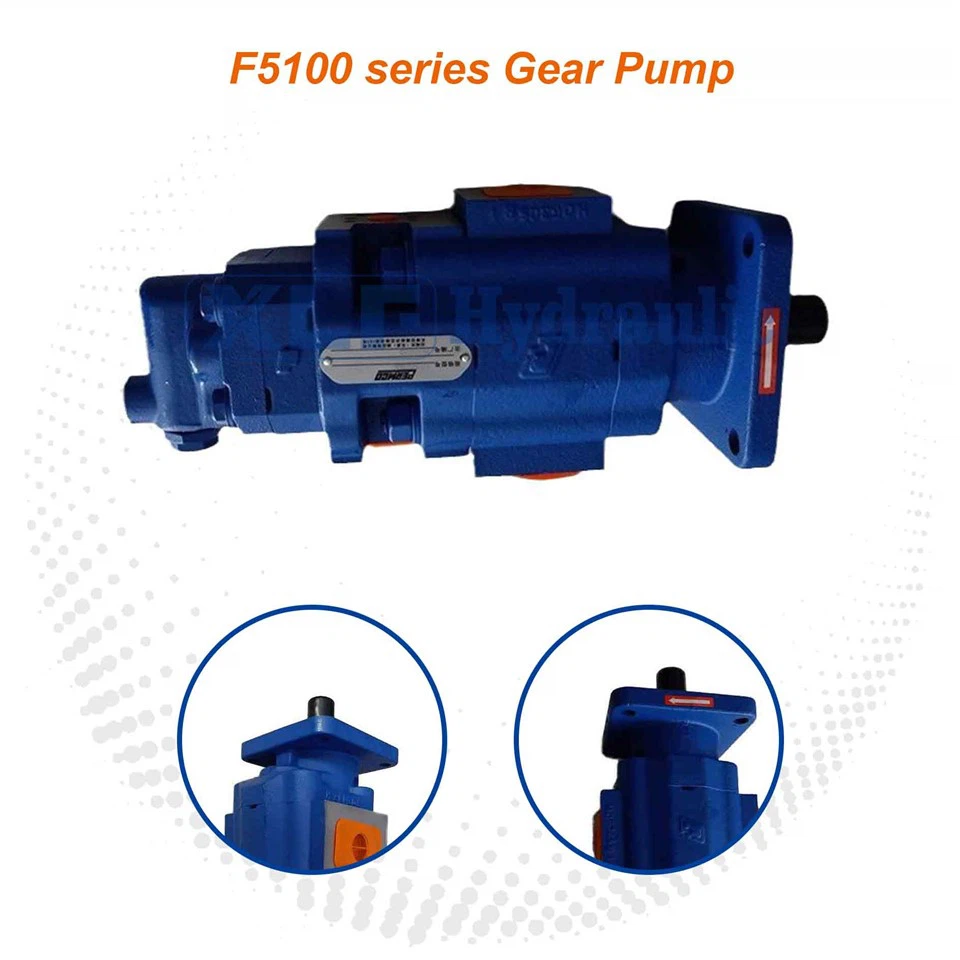
For those interested in high - pressure pump solutions, we offer a range of products. The Rexroth A10VO Series 52 and 53 Single Speed Pump for Excavators is designed for heavy - duty applications and can provide reliable high - pressure performance. Another option is the F5100 Series High Pressure Fixed Displacement Piston Pump for Industrial Machinery, which is suitable for various industrial processes. And the HTp Series Small Axial Piston Pump for Road Grader offers a compact yet powerful solution for road - building equipment.
Conclusion
Increasing the pressure of a twin piston pump without changing its structure is achievable through a combination of optimizing fluid properties, adjusting the drive system, maintaining and upgrading components, improving sealing, and checking clearances. By following these methods, you can enhance the pump's performance and meet the specific pressure requirements of your application.
If you are interested in learning more about our twin piston pumps or need assistance in increasing the pressure of your existing pumps, we invite you to contact us for a procurement discussion. Our team of experts is ready to provide you with professional advice and customized solutions.
References
- "Hydraulic Pumps and Motors: Fundamentals, Selection, and Application" by Jack Johnson.
- Manufacturer's manuals for twin piston pumps.


