As a seasoned supplier of single speed pumps, I've often been asked about the maximum flow rate a single speed pump can achieve. This is a complex question that depends on various factors, including the pump's design, the type of fluid being pumped, and the operating conditions. In this blog post, I'll delve into these factors and provide some insights into the maximum flow rates you can expect from single speed pumps.
Understanding Single Speed Pumps
Single speed pumps are designed to operate at a fixed speed, typically determined by the motor's rotation per minute (RPM). Unlike variable speed pumps, which can adjust their speed to meet changing flow requirements, single speed pumps maintain a constant flow rate as long as the operating conditions remain stable. This simplicity makes them a popular choice for applications where a consistent flow rate is required, such as in water supply systems, irrigation, and industrial processes.
Factors Affecting Maximum Flow Rate
The maximum flow rate of a single speed pump is influenced by several key factors:
Pump Design
The design of the pump plays a crucial role in determining its maximum flow rate. Pumps come in various types, including centrifugal pumps, positive displacement pumps, and axial flow pumps, each with its own unique characteristics and flow rate capabilities.
- Centrifugal Pumps: These pumps use centrifugal force to transfer fluid. They are known for their high flow rates and are commonly used in applications where large volumes of fluid need to be moved quickly. The maximum flow rate of a centrifugal pump is typically determined by the impeller diameter, the number of impeller vanes, and the pump's speed.
- Positive Displacement Pumps: Positive displacement pumps work by trapping a fixed amount of fluid and then forcing it into the discharge pipe. They are capable of generating high pressures and are often used in applications where a precise flow rate is required, such as in chemical dosing systems. The maximum flow rate of a positive displacement pump is determined by the pump's displacement volume and its speed.
- Axial Flow Pumps: Axial flow pumps are designed to move fluid parallel to the pump's axis. They are commonly used in applications where a high flow rate is required at low pressures, such as in flood control and drainage systems. The maximum flow rate of an axial flow pump is determined by the pump's impeller diameter, the blade angle, and the pump's speed.
Fluid Properties
The properties of the fluid being pumped also have a significant impact on the pump's maximum flow rate. Factors such as viscosity, density, and temperature can affect the pump's performance and efficiency.


- Viscosity: Viscosity is a measure of a fluid's resistance to flow. Fluids with high viscosity, such as oil and syrup, require more energy to pump than fluids with low viscosity, such as water. As the viscosity of the fluid increases, the pump's flow rate decreases, and its power consumption increases.
- Density: Density is a measure of a fluid's mass per unit volume. Fluids with high density, such as seawater and molten metal, require more energy to pump than fluids with low density, such as air and natural gas. As the density of the fluid increases, the pump's flow rate decreases, and its power consumption increases.
- Temperature: Temperature can also affect the properties of the fluid being pumped. As the temperature of the fluid increases, its viscosity decreases, and its density decreases. This can have a significant impact on the pump's performance and efficiency.
Operating Conditions
The operating conditions of the pump, such as the suction and discharge pressures, the elevation difference between the suction and discharge points, and the pipe diameter and length, can also affect the pump's maximum flow rate.
- Suction and Discharge Pressures: The suction and discharge pressures of the pump determine the amount of energy required to move the fluid through the pump. As the suction pressure decreases or the discharge pressure increases, the pump's flow rate decreases, and its power consumption increases.
- Elevation Difference: The elevation difference between the suction and discharge points of the pump can also affect the pump's performance. As the elevation difference increases, the pump's flow rate decreases, and its power consumption increases.
- Pipe Diameter and Length: The diameter and length of the pipes used in the pumping system can also affect the pump's performance. As the pipe diameter decreases or the pipe length increases, the friction losses in the pipes increase, and the pump's flow rate decreases.
Examples of Maximum Flow Rates
To give you a better idea of the maximum flow rates that single speed pumps can achieve, here are some examples of different types of pumps and their typical flow rate ranges:
- Centrifugal Pumps: Centrifugal pumps can achieve flow rates ranging from a few gallons per minute (GPM) to several thousand GPM, depending on the pump's size and design. For example, a small centrifugal pump used in a residential water supply system may have a maximum flow rate of 10-20 GPM, while a large centrifugal pump used in an industrial process may have a maximum flow rate of 10,000 GPM or more.
- Positive Displacement Pumps: Positive displacement pumps can achieve flow rates ranging from a few milliliters per minute (mL/min) to several hundred GPM, depending on the pump's size and design. For example, a small positive displacement pump used in a chemical dosing system may have a maximum flow rate of 1-2 mL/min, while a large positive displacement pump used in an oil and gas production facility may have a maximum flow rate of 500 GPM or more.
- Axial Flow Pumps: Axial flow pumps can achieve flow rates ranging from a few hundred GPM to several hundred thousand GPM, depending on the pump's size and design. For example, a small axial flow pump used in a flood control system may have a maximum flow rate of 1,000-2,000 GPM, while a large axial flow pump used in a power plant cooling system may have a maximum flow rate of 500,000 GPM or more.
Real-World Products
We offer a wide range of single speed pumps to meet the diverse needs of our customers. Here are some examples of our products and their features:
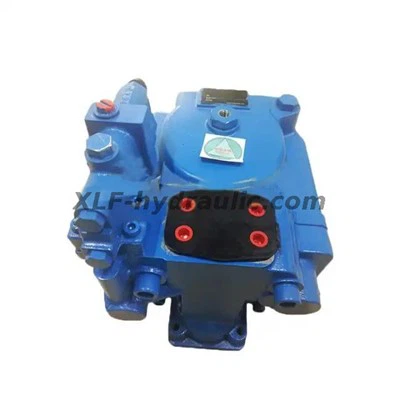
- CAT 170-715 Hydraulic Rotary Dual Single Piston Pump for Wheel Loaders: This pump is designed for use in wheel loaders and other heavy equipment. It features a high flow rate and a compact design, making it ideal for applications where space is limited.
- Parker G101 G102 Hydraulic Variable Displacement Gear Pump for Dump Truck: This pump is designed for use in dump trucks and other heavy equipment. It features a variable displacement design, which allows it to adjust its flow rate to meet the changing needs of the application.
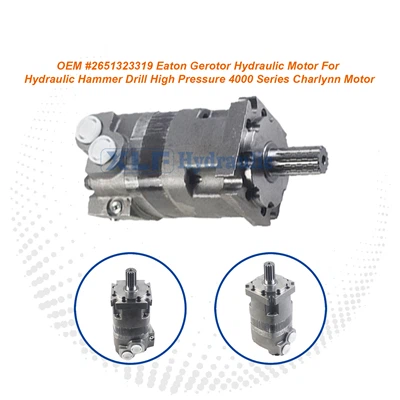
- BMH Orbit Hydraulic Motor - LSHT (Low Speed High Torque) For Concrete Pump Mixer: This motor is designed for use in concrete pump mixers and other heavy equipment. It features a low speed high torque design, which allows it to provide the power and torque needed to operate the equipment efficiently.
Contact Us for Procurement
If you're interested in learning more about our single speed pumps or would like to discuss your specific requirements, please don't hesitate to contact us. Our team of experts is available to provide you with detailed information about our products and to help you select the right pump for your application. We look forward to working with you to meet your pumping needs.
References
- Pump Handbook, 4th Edition, by Igor J. Karassik, Joseph P. Messina, Paul Cooper, and Charles C. Heald
- Hydraulic Pumps and Motors: Fundamentals, Selection, and Application, by Heinz P. Bloch and Fred K. Geitner
- Centrifugal Pumps: Design and Applications, by S. K. Som and A. Biswas