Yo, folks! I'm an axial piston pump supplier, and I know how crucial it is to pick the right fluid for these bad boys. Axial piston pumps are the workhorses of many industrial setups, and the fluid you use can make or break their performance. So, let's dive into the nitty - gritty of choosing the appropriate fluid for your axial piston pump.
First off, you gotta understand that axial piston pumps rely on the fluid not just to transmit power but also to lubricate moving parts, dissipate heat, and prevent corrosion. That's a tall order, right? So, how do you start the selection process?
Viscosity is the name of the game. Viscosity refers to a fluid's resistance to flow. If the fluid is too thin (low viscosity), it won't form a proper lubricating film between the pump's moving parts. This can lead to increased wear and tear, and in the worst - case scenario, pump failure. On the other hand, if the fluid is too thick (high viscosity), it'll be hard for the pump to move it. This means more energy consumption, overheating, and reduced efficiency.
You see, different axial piston pumps have different viscosity requirements. When you're using a pump like the GPM 3FC016GK07 Hydraulic Swash Plate Type Axial Piston Pump for Industrial Machinery, you need to check the manufacturer's specifications for the optimal viscosity range. Usually, these specs are given at a certain temperature, like 40°C or 100°F. You gotta make sure the fluid you choose can maintain the right viscosity within the operating temperature range of your pump.
Another aspect related to viscosity is its change with temperature. A good fluid should have a high viscosity index (VI). This means that its viscosity doesn't change dramatically as the temperature fluctuates. If your pump is working in an environment where the temperature can vary a lot, like outdoors in different seasons, using a high - VI fluid is a must. It'll keep your pump running smoothly whether it's freezing cold or scorchingly hot.
Next up, let's talk about the fluid's lubricity. Lubricity is the ability of the fluid to reduce friction between moving parts. In an axial piston pump, there are pistons sliding against the cylinder block, and a swash plate that the pistons interact with. Without proper lubrication, these parts will wear out quickly.
There are additives in hydraulic fluids that enhance lubricity. For example, anti - wear additives form a protective layer on the metal surfaces. This layer reduces the direct contact between the moving parts and minimizes friction and wear. When you're shopping for fluid, look for products that are specifically formulated for high - pressure, high - speed applications like axial piston pumps. These fluids usually have a good balance of anti - wear additives to keep your pump in top - notch condition.
Now, we can't forget about oxidation resistance. Oxidation occurs when the fluid reacts with oxygen in the presence of heat and catalysts (like metal particles). Over time, oxidation can cause the fluid to break down, form sludge and varnish, and lose its lubricating and cooling properties.
A fluid with good oxidation resistance will last longer and keep your pump cleaner. You can check the oxidation stability of a fluid by looking at its test results. Some manufacturers provide information on how long the fluid can resist oxidation under specific conditions. When you're using a demanding pump like the Denison Series T6GCC Hydraulic Radial Cylinder Pump for Trucks, which operates under high loads and temperatures, a fluid with excellent oxidation resistance is non - negotiable.
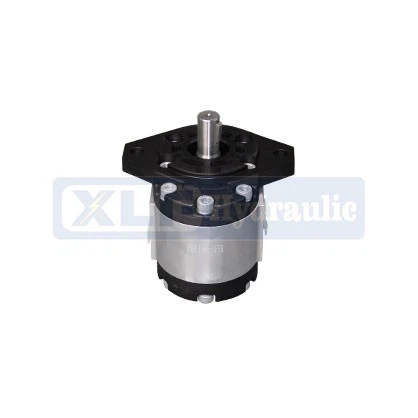

Corrosion protection is also vital. Axial piston pumps have metal parts that are exposed to the fluid, and if the fluid doesn't offer good corrosion protection, these parts can rust and corrode. Corrosion can lead to pitting on the metal surfaces, which can damage the pump's performance and reduce its lifespan.
Most hydraulic fluids have anti - corrosion additives. But the effectiveness of these additives can vary. In a humid or corrosive environment, you need a fluid that has a high level of anti - corrosion protection. For example, if your pump is used in a marine or chemical - processing application, you should choose a fluid that's specifically designed for such harsh conditions.
And then there's the matter of cleanliness. Any contaminants in the fluid, such as dirt, dust, or metal particles, can cause serious problems in an axial piston pump. These particles can act like abrasives, scratching the pump's surfaces and accelerating wear.
You need to use a fluid that's clean from the start. Also, make sure your fluid storage and handling practices are top - notch. Use proper filters in your hydraulic system to continuously remove any contaminants that might enter the system. When it comes to replacing filters, follow the manufacturer's recommendations. A pump like the CAT 6E2932 Replacement Fixed Speed Pump 936 Fits Aftermarket Tractor Part requires a clean fluid to operate efficiently.
Flammability is another factor to consider. In some industrial settings, there's a risk of fire. If your pump is used in an area with a high fire hazard, you need a non - flammable or fire - resistant fluid. There are different types of fire - resistant fluids available, such as water - glycol mixtures and phosphate esters. However, each type has its own pros and cons. Water - glycol mixtures are cost - effective and have good cooling properties, but they can support microbial growth. Phosphate esters have excellent fire - resistance but can be more expensive and may require special seals.
Compatibility is also super important. The fluid you choose must be compatible with the pump's seals, gaskets, and other components. Using an incompatible fluid can cause the seals to swell, shrink, or crack, leading to leaks. Before you switch to a new fluid, always check with the pump manufacturer to ensure compatibility.
Another thing to think about is the environmental impact. In today's world, we're all more conscious of how our actions affect the environment. There are biodegradable hydraulic fluids available that are a great option if your application allows it. These fluids break down more easily in the environment, reducing the long - term impact in case of a spill.
Now that you know all these factors, how do you actually make the final decision? Well, start by looking at the pump manufacturer's recommendations. They know their pumps best and can give you a good starting point. Then, consider the operating conditions of your pump, such as temperature, pressure, and the type of environment it's in.
You can also talk to fluid suppliers. They have experts who can help you choose the right fluid based on your specific needs. And don't be afraid to ask for samples. Testing a small amount of fluid in your pump can give you a better idea of how it'll perform.
If you're still not sure or have any questions about choosing the right fluid for your axial piston pump, don't hesitate to reach out. We're here to help you make the best decision and keep your pumps running smoothly. Whether you need more information about the technical aspects or want to discuss your specific application, we're just a message away. Let's start a conversation and find the perfect fluid for your axial piston pump.
References
- Hydraulic Pumps and Motors Handbook
- Industrial Fluid Power: Technology and Maintenance