In the realm of hydraulic systems, axial piston pumps play a pivotal role due to their high efficiency, compact design, and ability to handle high pressures. One of the critical performance indicators of an axial piston pump is its self - priming ability. Self - priming refers to the pump's capacity to evacuate air from the suction line and start pumping fluid without external assistance. As an axial piston pump supplier, I understand the significance of enhancing this ability for our customers. In this blog, I will delve into various ways to improve the self - priming ability of an axial piston pump.
Understanding the Basics of Self - Priming in Axial Piston Pumps
Before we discuss the improvement methods, it's essential to understand how self - priming works in axial piston pumps. When the pump starts, the pistons reciprocate within the cylinder block. As the pistons move away from the suction port, a partial vacuum is created in the cylinder chambers. This vacuum draws air and fluid into the chambers from the suction line. The air is then compressed and discharged through the discharge port, and eventually, the pump starts pumping fluid continuously.
However, several factors can hinder this process. For instance, if the suction line is too long or has a small diameter, it can increase the resistance to fluid flow and make it difficult for the pump to create a sufficient vacuum. Additionally, air leaks in the suction line or improper installation of the pump can also affect self - priming.
Selecting the Right Pump Design
The design of the axial piston pump has a significant impact on its self - priming ability. There are two main types of axial piston pumps: swashplate type and bent - axis type.
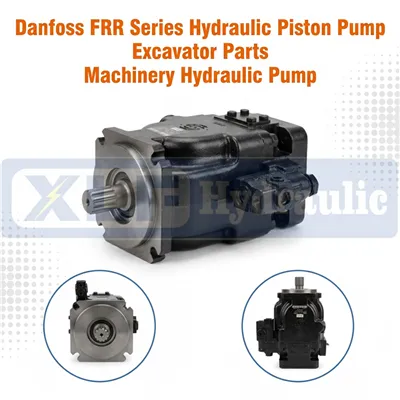
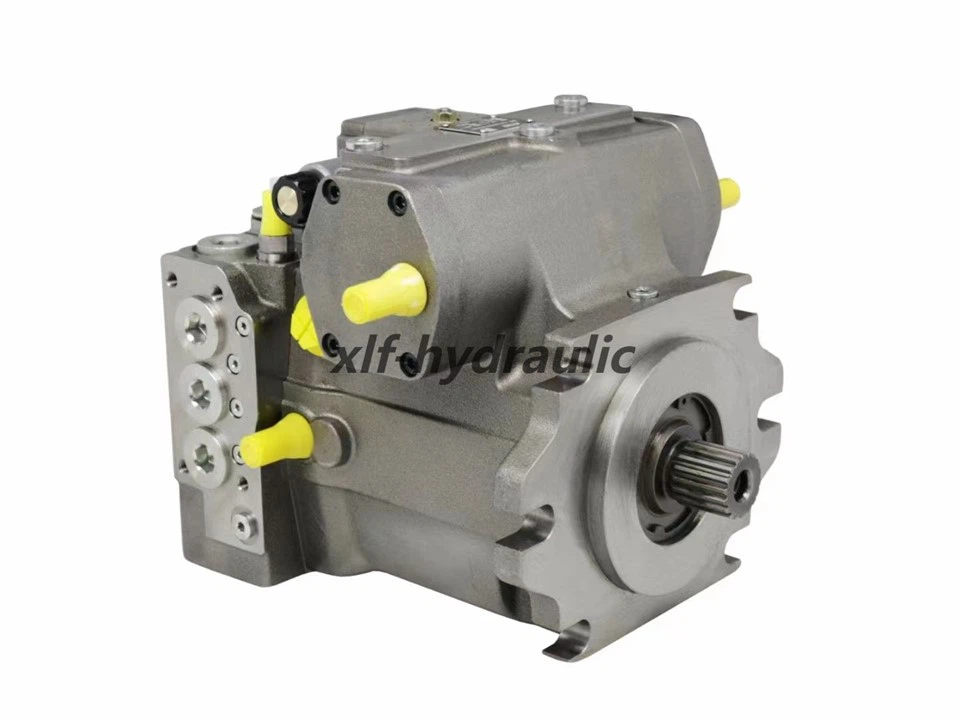
Swashplate pumps are widely used due to their simple structure and high efficiency. To improve self - priming in swashplate pumps, a larger displacement volume per revolution can be beneficial. A larger displacement means that more fluid can be drawn into the cylinders with each stroke, creating a stronger vacuum. Some modern swashplate pumps are designed with optimized valve plates and port geometries to enhance the suction process. For example, Rexroth A4VG Series 40 Dual Piston Pump for Industrial Machinery features advanced design elements that contribute to better self - priming performance.
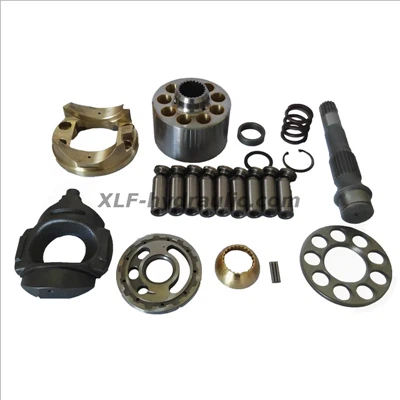
Bent - axis pumps, on the other hand, have a more complex structure but can offer better high - pressure performance. To improve self - priming in bent - axis pumps, the angle between the drive shaft and the cylinder block can be optimized. A proper angle can ensure smooth piston movement and efficient suction. We also offer Rexroth Spare Parts for Bent Axial Piston Pump A2V12 Series, which can be used to maintain or upgrade the performance of bent - axis pumps, including their self - priming ability.
Optimizing the Suction Line
The suction line is a critical component in the self - priming process. Here are some ways to optimize it:
- Proper Sizing: The diameter of the suction line should be large enough to minimize flow resistance. A common rule of thumb is to select a suction line with a diameter at least 20% larger than the pump's suction port. For example, if the pump's suction port has a diameter of 25 mm, the suction line should have a diameter of at least 30 mm.
- Short Length: Keeping the suction line as short as possible reduces the distance that the fluid and air need to travel. This helps in creating a stronger vacuum more quickly. Avoid unnecessary bends and elbows in the suction line, as they can increase flow resistance.
- Preventing Air Leaks: Any air leaks in the suction line can disrupt the self - priming process. Ensure that all connections in the suction line are properly sealed. Use high - quality gaskets and fittings to prevent air from entering the system.
Using Auxiliary Priming Devices
In some cases, auxiliary priming devices can be used to enhance the self - priming ability of axial piston pumps.
- Vacuum Pumps: A vacuum pump can be installed in the suction line to pre - evacuate the air before the main pump starts. This reduces the time and effort required for the axial piston pump to achieve self - priming. Vacuum pumps are particularly useful in applications where the pump has to start from a completely dry state or when the suction conditions are challenging.
- Priming Chambers: Some pumps are equipped with built - in priming chambers. These chambers store a small amount of fluid, which can be used to create an initial seal and assist in the self - priming process. When the pump starts, the fluid in the priming chamber is forced into the cylinders, helping to expel the air more quickly.
Maintenance and Monitoring
Regular maintenance is crucial for maintaining the self - priming ability of axial piston pumps. Here are some maintenance tips:
- Filter Replacement: Clogged suction filters can restrict fluid flow and affect self - priming. Replace the filters at regular intervals according to the manufacturer's recommendations.
- Seal Inspection: Check the seals in the pump and the suction line regularly. Worn - out seals can cause air leaks, so replace them promptly.
- Monitoring Performance: Use pressure sensors and flow meters to monitor the performance of the pump. If the self - priming time increases or the pump fails to prime properly, it could indicate a problem that needs to be addressed.
Fluid Selection
The type of fluid used in the pump can also affect self - priming. Viscous fluids can be more difficult to pump and may require more energy for self - priming. Therefore, it's important to select a fluid with the appropriate viscosity for the pump's operating conditions.

In addition, the fluid should be clean and free of contaminants. Contaminants can damage the pump components and affect the sealing performance, which in turn can impact self - priming. Use high - quality hydraulic fluids and ensure proper filtration to maintain the fluid's cleanliness.
System Design Considerations
The overall system design can have a significant impact on the self - priming ability of the axial piston pump.
- Reservoir Design: The reservoir should be designed to ensure a constant supply of fluid to the pump. It should have a sufficient volume and proper baffles to prevent air from being carried into the suction line. The fluid level in the reservoir should be maintained above the minimum level required for proper pump operation.
- Mounting Position: The mounting position of the pump can also affect self - priming. The pump should be mounted as close as possible to the fluid source, and the suction port should be below the fluid level in the reservoir whenever possible. This helps in creating a gravity - assisted flow, which can improve self - priming.
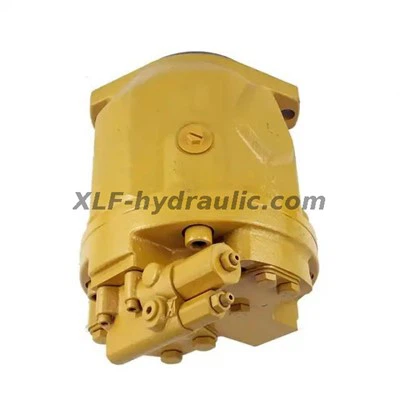
In conclusion, improving the self - priming ability of an axial piston pump requires a comprehensive approach that includes proper pump design selection, suction line optimization, use of auxiliary devices, regular maintenance, and appropriate fluid selection. As an axial piston pump supplier, we are committed to providing high - quality pumps and technical support to our customers. Whether you are looking for a Rexroth A4VG Series 40 Dual Piston Pump for Industrial Machinery or a CAT Hydraulic Axial Piston Polyhydron Hydraulic Pump 180 9588 For Loader 416D, we have the expertise and products to meet your needs. If you have any questions or are interested in purchasing our axial piston pumps, please feel free to contact us for further consultation and procurement negotiation.
References
- "Hydraulic Pump Handbook", edited by Hydraulic Equipment Manufacturers Association
- "Axial Piston Pump Technology", published by Pump Industry Research Institute