How to Design a Hydraulic Pump System?
As a seasoned hydraulic pump supplier, I've witnessed firsthand the pivotal role that well - designed hydraulic pump systems play across various industries. From construction machinery to automotive applications, a properly designed hydraulic pump system can significantly enhance efficiency, reliability, and performance. In this blog post, I'll share some key considerations and steps to guide you through the process of designing a hydraulic pump system.
Understanding the Application Requirements
The first and most crucial step in designing a hydraulic pump system is to thoroughly understand the application requirements. This involves identifying the specific tasks the system will perform, the operating conditions it will face, and the performance goals it needs to achieve.
For example, in a construction equipment application, the hydraulic pump system may need to provide high - pressure fluid to operate heavy - duty cylinders for lifting and moving large loads. In contrast, an automotive power steering system requires a more precise and responsive hydraulic pump to ensure smooth and effortless steering.
Consider the flow rate and pressure requirements. The flow rate determines how quickly the hydraulic fluid can be delivered to the actuators, while the pressure is necessary to generate the force required for the intended operation. These parameters are directly related to the size and type of the hydraulic pump needed.
Selecting the Right Hydraulic Pump
Once you have a clear understanding of the application requirements, the next step is to select the right hydraulic pump. There are several types of hydraulic pumps available, each with its own advantages and limitations.
Gear Pumps: These are the simplest and most cost - effective type of hydraulic pumps. They are suitable for low - to medium - pressure applications and offer a relatively constant flow rate. Gear pumps are commonly used in industrial applications where simplicity and affordability are key factors.
Vane Pumps: Vane pumps are known for their quiet operation and high efficiency. They can handle medium - pressure applications and are often used in automotive power steering systems and some industrial machinery.
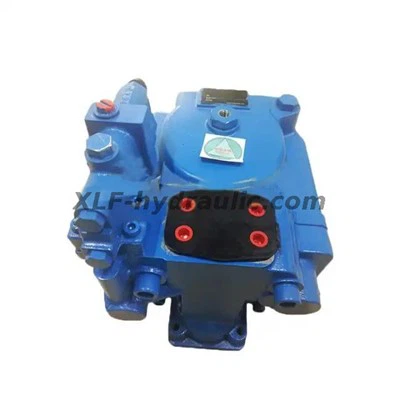
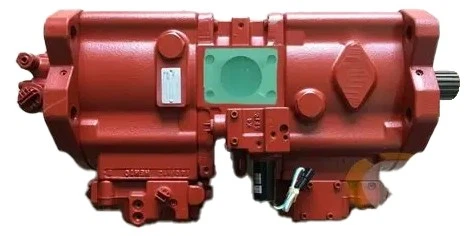
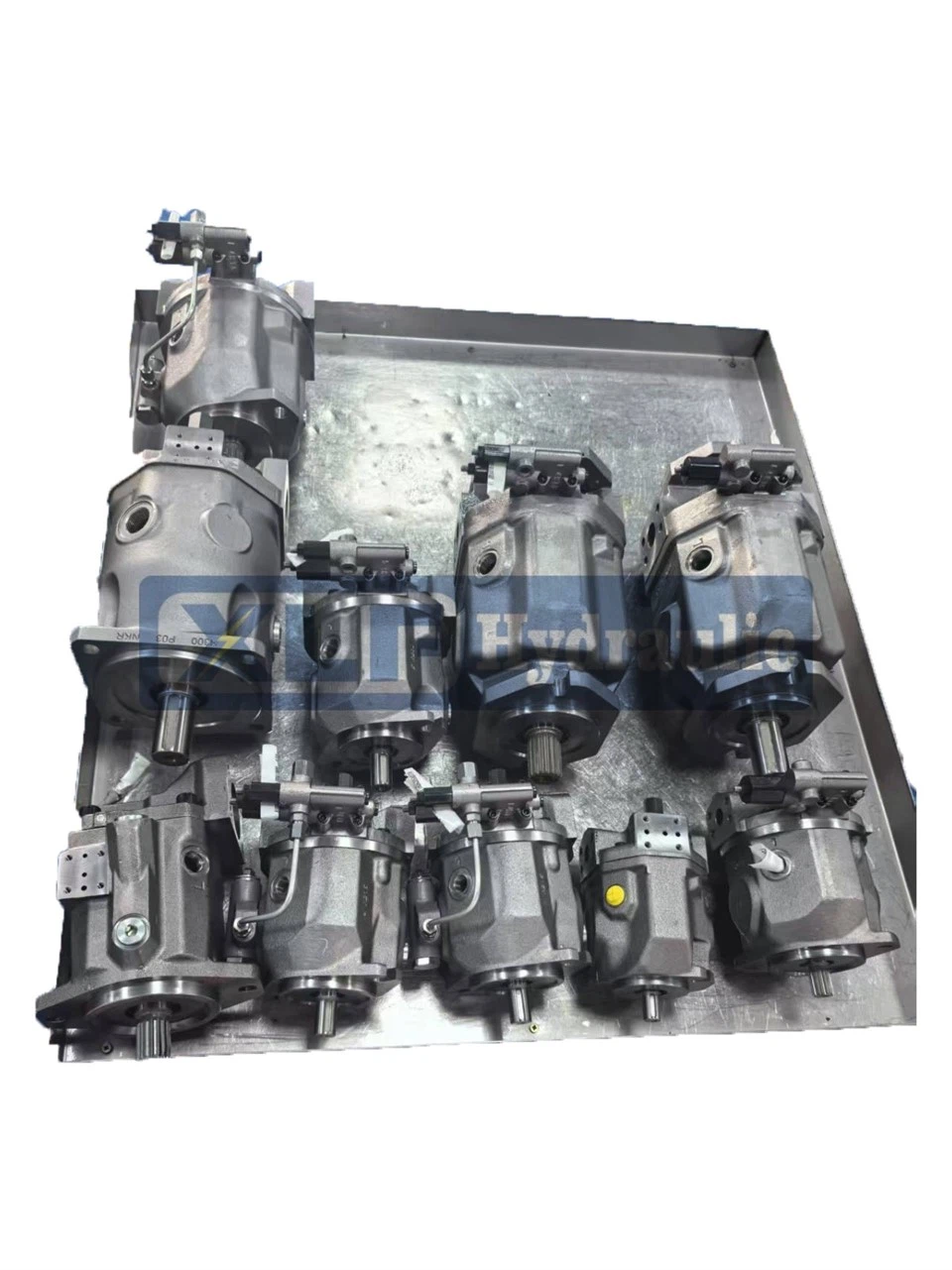
Piston Pumps: Piston pumps are the most versatile and high - performance type of hydraulic pumps. They can generate high pressures and are suitable for a wide range of applications, from heavy - duty construction equipment to aerospace systems. Piston pumps can be further classified into axial piston pumps and radial piston pumps, each with its own unique design and performance characteristics.
When selecting a hydraulic pump, also consider factors such as the pump's displacement, speed, and efficiency. The displacement refers to the volume of fluid the pump can deliver per revolution, while the speed affects the flow rate. Efficiency is an important consideration as it directly impacts the energy consumption and operating costs of the system.
As a hydraulic pump supplier, we offer a wide range of high - quality hydraulic pumps to meet different application requirements. For example, you can check out our 11172358 Aftermarket Volvo Replacement Pumps & Fan Motor & Parts | High - Efficiency Operation & Ultra - Wear - Resistant and 11410655 Aftermarket Volvo Replacement Pumps & Fan Motor & Parts which are designed for specific Volvo applications, providing high - efficiency operation and ultra - wear - resistant performance.
Designing the Hydraulic Circuit
After selecting the hydraulic pump, the next step is to design the hydraulic circuit. The hydraulic circuit is a network of pipes, valves, and actuators that control the flow and pressure of the hydraulic fluid.
Valves: Valves are essential components in a hydraulic circuit as they regulate the flow, pressure, and direction of the hydraulic fluid. There are several types of valves, including pressure relief valves, directional control valves, and flow control valves. Pressure relief valves protect the system from over - pressure, while directional control valves determine the direction of the fluid flow to the actuators. Flow control valves regulate the flow rate of the fluid.
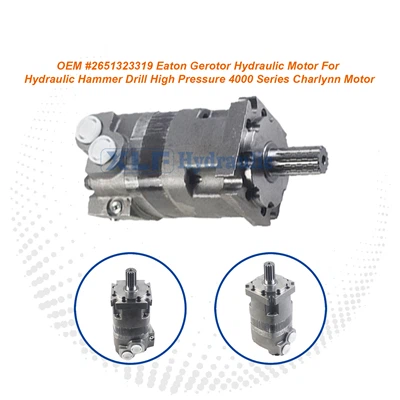
Actuators: Actuators are the components that convert the hydraulic energy into mechanical energy. The most common types of actuators are hydraulic cylinders and hydraulic motors. Hydraulic cylinders are used for linear motion, such as lifting and pushing, while hydraulic motors are used for rotary motion, such as driving a conveyor belt or a fan.
When designing the hydraulic circuit, it's important to ensure proper sizing of the pipes and valves to minimize pressure losses and ensure efficient operation. The layout of the circuit should also be optimized to reduce the length of the pipes and minimize the number of bends and fittings.
Considering the Hydraulic Fluid
The hydraulic fluid is the lifeblood of the hydraulic pump system. It not only transfers the power but also lubricates the moving parts and dissipates heat. When selecting a hydraulic fluid, consider the following factors:
Viscosity: The viscosity of the hydraulic fluid affects its flow characteristics. A fluid with too high a viscosity may cause excessive pressure losses, while a fluid with too low a viscosity may lead to leakage and reduced efficiency.
Thermal Stability: The hydraulic fluid should be able to withstand high temperatures without breaking down. This is especially important in applications where the system operates under heavy loads or in high - temperature environments.
Anti - Wear and Anti - Corrosion Properties: The fluid should have good anti - wear and anti - corrosion properties to protect the internal components of the hydraulic pump and the entire system.
Regular maintenance of the hydraulic fluid, including filtering and changing, is also crucial to ensure the long - term performance and reliability of the hydraulic pump system.
System Integration and Testing
Once the hydraulic pump, circuit, and fluid have been selected and designed, the next step is to integrate the system and conduct thorough testing.
During the integration process, all the components should be properly installed and connected. The system should be carefully inspected for any leaks or loose connections.
Testing is an essential part of the design process. It allows you to verify that the system meets the performance requirements and identify any potential issues. Start with a low - pressure test to check for leaks and proper operation of the valves and actuators. Then, gradually increase the pressure to the rated operating pressure and monitor the system's performance.
For example, in a power steering system, you can test the responsiveness and smoothness of the steering operation. In a construction equipment application, you can test the lifting and moving capabilities of the cylinders.
Quality Assurance and Support
As a hydraulic pump supplier, we understand the importance of quality assurance. All our hydraulic pumps and related parts, such as the 11707968 Volvo Substitute Power Steering Pump, undergo rigorous quality control procedures to ensure they meet the highest standards of performance and reliability.
We also provide comprehensive technical support to our customers. Whether you need assistance with system design, installation, or troubleshooting, our team of experts is always ready to help.
Conclusion
Designing a hydraulic pump system is a complex but rewarding process. By carefully considering the application requirements, selecting the right components, and conducting thorough testing, you can create a high - performance and reliable hydraulic pump system.
If you are in the market for a hydraulic pump or need help with designing a hydraulic pump system, we invite you to reach out to us. Our extensive range of hydraulic pumps and parts, combined with our technical expertise, can provide you with the solutions you need. Contact us to start a procurement discussion and find the best hydraulic pump system for your application.
References
- "Hydraulic Systems and Components" by John F. Dini
- "Fluid Power with Applications" by Anthony Esposito