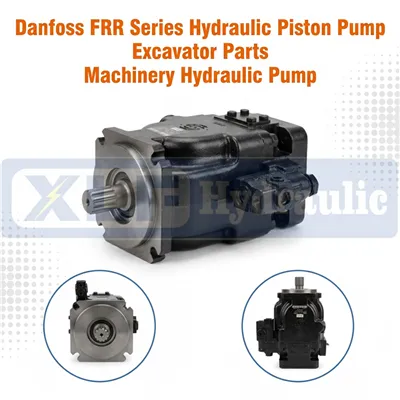
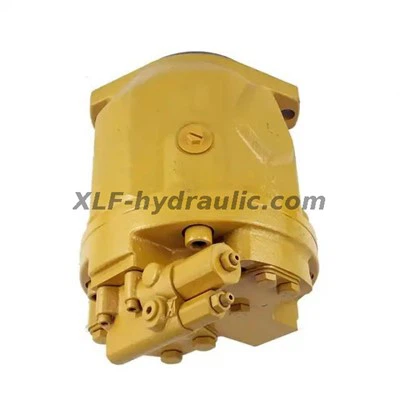
Hey there! As a supplier of axial piston pumps, I'm super stoked to break down how these nifty pieces of machinery work. Axial piston pumps are a big deal in the hydraulic world, and understanding their operation can give you a leg up when it comes to choosing the right pump for your needs.
Let's start with the basics. An axial piston pump is a type of positive displacement pump. What does that mean? Well, it's all about moving a fixed amount of fluid with each rotation of the pump. Unlike other pumps that might use a more continuous flow mechanism, positive displacement pumps like axial piston pumps trap a specific volume of fluid and then push it out.
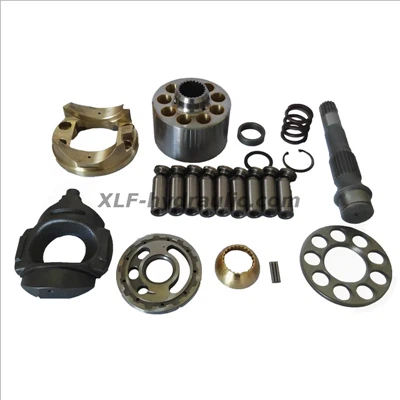
The heart of an axial piston pump is its pistons. These pistons are arranged in a circular pattern around a central shaft, which is known as the drive shaft. The number of pistons can vary, but common configurations include 7, 9, or 11 pistons. Each piston sits inside a cylinder bore, and these cylinders are part of a component called the cylinder block.
Now, here's where the magic happens. The drive shaft rotates, and as it does, it causes the cylinder block to spin as well. But the key to the pump's operation is the swash plate. The swash plate is an angled disk that the pistons ride against. When the cylinder block rotates, the pistons move back and forth inside their cylinders because of the angle of the swash plate.
As the pistons move outwards, they create a vacuum inside the cylinders. This vacuum sucks in fluid from the inlet port. The fluid can be hydraulic oil, which is commonly used in industrial applications. Once the pistons reach the end of their outward stroke, they start moving back inwards as the cylinder block continues to rotate. This inward movement compresses the fluid inside the cylinders.
The compressed fluid is then forced out through the outlet port. The pressure of the fluid leaving the pump depends on a few factors, including the angle of the swash plate. A steeper angle means the pistons have a longer stroke, which results in more fluid being displaced with each rotation and higher pressure at the outlet.
One of the great things about axial piston pumps is their efficiency. Because they use positive displacement, they can maintain a consistent flow rate even under varying pressure conditions. This makes them ideal for applications where precise control of fluid flow and pressure is required, such as in heavy machinery, industrial equipment, and even some aerospace systems.
Let's talk about some of the different types of axial piston pumps. There are two main categories: fixed displacement and variable displacement pumps.
A fixed displacement axial piston pump has a set swash plate angle that can't be changed. This means the amount of fluid displaced with each rotation is always the same. These pumps are simple and reliable, and they're often used in applications where a constant flow rate is needed, like in some basic hydraulic systems.
On the other hand, variable displacement axial piston pumps allow you to adjust the angle of the swash plate. This gives you the ability to vary the amount of fluid displaced and, therefore, the output pressure and flow rate. Variable displacement pumps are more versatile and can be used in applications where the demand for fluid varies, such as in construction equipment that needs to perform different tasks with different levels of force.
Now, I want to mention some of the products we offer as an axial piston pump supplier. We have a wide range of high - quality pumps and related parts. For example, check out our Eaton Vickers PVH 131 Hydraulic Radial Piston Type Pump Repair Kit Spare Parts and Whole Pump. This is a great option if you're looking for parts to repair or replace an existing pump.
We also have the Original Eaton Vickers PVM Series Hydraulic Duplex Piston Pump for Flat Shovel. This pump is specifically designed for flat shovels and other similar construction equipment, providing reliable performance and efficient operation.
Another product in our lineup is the CAT 980G Hydraulic Pump and Piston For CAT Loader. If you own a CAT loader, this pump and piston set can help keep your equipment running smoothly.

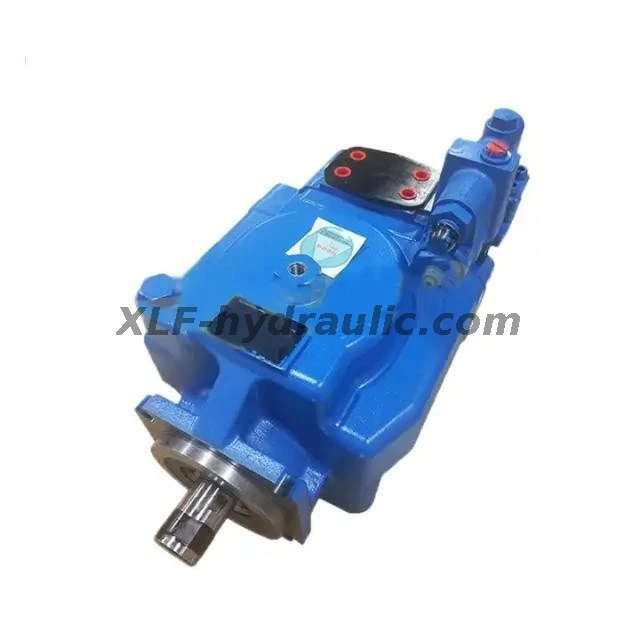
When it comes to maintenance, axial piston pumps require some attention to keep them in top shape. Regularly checking the fluid levels and quality is crucial. Contaminated or low - quality fluid can cause wear and tear on the pump's components, leading to reduced efficiency and potential breakdowns. It's also important to inspect the swash plate and pistons for signs of wear or damage. If you notice any issues, it's best to address them promptly to avoid more serious problems down the line.
In addition to the mechanical components, the seals in an axial piston pump are also important. These seals prevent fluid from leaking out of the pump and ensure that the pressure is maintained. Over time, seals can wear out, so it's a good idea to replace them periodically as part of your maintenance routine.
If you're in the market for an axial piston pump or need replacement parts, we're here to help. We've got a team of experts who can answer your questions and guide you through the selection process. Whether you're looking for a fixed displacement pump for a simple application or a variable displacement pump for a more complex system, we've got the products and knowledge to meet your needs.
So, if you're interested in learning more or want to start a purchasing conversation, don't hesitate to reach out. We're eager to work with you and help you find the perfect axial piston pump solution for your business.
References
- "Hydraulic Pumps: Principles, Operation, and Maintenance" - A comprehensive guide on hydraulic pumps, including axial piston pumps.
- Industry standards publications from organizations like the International Organization for Standardization (ISO) and the American National Standards Institute (ANSI) that cover the design and operation of hydraulic equipment.