Hey there! As a hydraulic pump supplier, I get asked a lot about how to control the pressure of a hydraulic pump. It's a crucial aspect of using hydraulic pumps effectively, whether you're in the construction industry, manufacturing, or any other field that relies on these powerful machines. In this blog post, I'm going to share some tips and tricks on how you can control the pressure of a hydraulic pump like a pro.
Understanding Hydraulic Pump Pressure
Before we dive into the control methods, let's quickly understand what hydraulic pump pressure is all about. Hydraulic pumps work by converting mechanical energy into hydraulic energy, which is then used to power various hydraulic systems. The pressure in a hydraulic system is essentially the force exerted by the hydraulic fluid per unit area. It's measured in pounds per square inch (psi) or bar, and it's what allows hydraulic systems to perform heavy-duty tasks with precision and efficiency.
The pressure in a hydraulic system is determined by several factors, including the type of pump, the flow rate, the size of the hydraulic cylinders, and the load being lifted or moved. For example, a larger cylinder will require more pressure to extend or retract compared to a smaller one. Similarly, a higher load will also demand more pressure to overcome the resistance.
Controlling Hydraulic Pump Pressure
Now that we have a basic understanding of hydraulic pump pressure, let's look at some practical ways to control it.
1. Use a Pressure Relief Valve
One of the most common and effective ways to control the pressure of a hydraulic pump is by using a pressure relief valve. This valve is designed to open when the pressure in the system exceeds a pre-set level, allowing some of the hydraulic fluid to return to the reservoir. This helps to prevent the pressure from building up to dangerous levels and protects the hydraulic components from damage.
Most modern hydraulic systems come equipped with a pressure relief valve, but it's important to make sure that it's properly adjusted. You can do this by referring to the manufacturer's specifications or consulting with a hydraulic expert. If the pressure relief valve is set too high, it won't provide adequate protection, while setting it too low can cause the system to operate inefficiently.
2. Adjust the Pump Displacement
Another way to control the pressure of a hydraulic pump is by adjusting its displacement. The displacement of a pump refers to the volume of fluid it can deliver per revolution. By changing the displacement, you can control the flow rate of the hydraulic fluid, which in turn affects the pressure.
Some hydraulic pumps have a variable displacement feature, which allows you to adjust the displacement on the fly. This is particularly useful in applications where the load and pressure requirements vary frequently. For example, in a forklift, you may need to adjust the pump displacement to lift different loads safely and efficiently.
3. Use a Pressure Compensator
A pressure compensator is a device that automatically adjusts the pump output to maintain a constant pressure in the system, regardless of the load. It works by sensing the pressure in the system and adjusting the pump displacement accordingly. This helps to ensure that the hydraulic system operates at a consistent pressure, which is essential for smooth and efficient operation.
Pressure compensators are commonly used in hydraulic systems that require precise pressure control, such as in injection molding machines and hydraulic presses. They can significantly improve the performance and reliability of these systems by reducing the risk of pressure fluctuations and overloading.
4. Check and Maintain the Hydraulic Fluid
The quality and condition of the hydraulic fluid can also have a significant impact on the pressure of a hydraulic pump. Over time, the hydraulic fluid can become contaminated with dirt, debris, and moisture, which can cause the pump to work harder and increase the pressure.
To ensure optimal performance, it's important to regularly check the hydraulic fluid level and quality. You should also change the hydraulic fluid and filter at the recommended intervals. This will help to keep the hydraulic system clean and free from contaminants, which in turn will help to control the pressure and extend the life of the pump and other components.
Real-World Examples
Let's take a look at some real-world examples of how these pressure control methods are used in different applications.
Construction Equipment
In construction equipment, such as excavators and bulldozers, hydraulic pumps are used to power the various hydraulic cylinders that control the movement of the machine. To control the pressure, these machines are typically equipped with pressure relief valves and pressure compensators.
For example, when the excavator's bucket is being filled with dirt, the pressure in the hydraulic cylinder will increase. The pressure relief valve will open to prevent the pressure from exceeding the safe limit, while the pressure compensator will adjust the pump output to maintain a constant pressure. This ensures that the excavator operates smoothly and safely, even under heavy loads.
Manufacturing Machinery
In manufacturing machinery, such as hydraulic presses and injection molding machines, precise pressure control is essential for producing high-quality products. These machines often use variable displacement pumps and pressure compensators to achieve accurate pressure control.
For instance, in an injection molding machine, the hydraulic pump needs to provide a specific pressure to inject the molten plastic into the mold. By adjusting the pump displacement and using a pressure compensator, the machine can maintain a constant pressure throughout the injection process, resulting in consistent and high-quality molded products.
Our Hydraulic Pump Offerings
As a hydraulic pump supplier, we offer a wide range of high-quality hydraulic pumps and related components to meet the needs of various industries. Some of our popular products include:
-
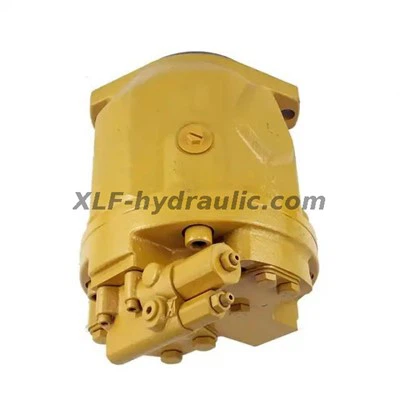
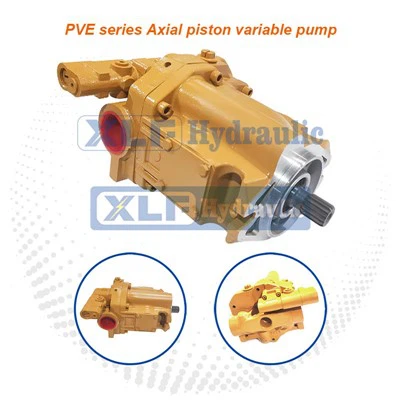
Cat Hydraulic Piston Pump 247-7867 (2477867) – Compatible With 307-3063/122-1206/235-2716: This pump is designed to provide reliable and efficient performance in a variety of applications. It's compatible with several Cat models, making it a versatile choice for many customers.
-
Volvo 11026949 Aftermarket Kit | Hydraulic Pump + Fan Motor | OEM-Spec | Ultra-Durable & High-Efficiency: Our aftermarket kit for Volvo equipment includes a hydraulic pump and a fan motor. It's built to OEM specifications, ensuring a perfect fit and high performance.
-
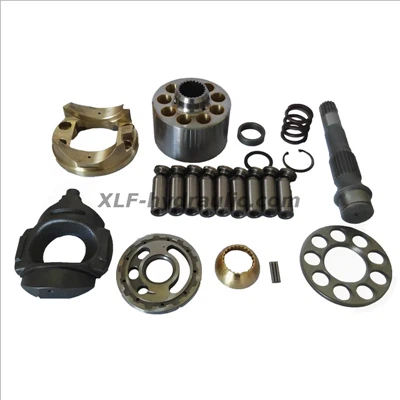
11411964 Aftermarket Volvo Replacement Pumps & Fan Motor & Parts | Efficient-Operation & Durable-Fit: If you're looking for replacement pumps and parts for your Volvo equipment, our aftermarket products are a great option. They offer efficient operation and a durable fit, helping you to keep your equipment running smoothly.
Conclusion
Controlling the pressure of a hydraulic pump is essential for ensuring the safe and efficient operation of hydraulic systems. By using methods such as pressure relief valves, adjusting the pump displacement, using pressure compensators, and maintaining the hydraulic fluid, you can effectively manage the pressure and extend the life of your hydraulic components.
If you're in the market for high-quality hydraulic pumps or need more information on pressure control, don't hesitate to reach out. We're here to help you find the right solutions for your specific needs. Whether you're a small business or a large corporation, we have the expertise and products to support your hydraulic system requirements. Contact us today to start a conversation about your procurement needs.
References
- Fluid Power Handbook, various editions
- Hydraulic Systems Design and Maintenance Manuals from major pump manufacturers