How Hitachi Hydraulic Systems Keep Operators Safe

Most people watch a Hitachi excavator lift a heavy load or swing smoothly across a job site and don't think about what keeps that machine from over-pressurizing, rolling unexpectedly, or dropping a load. The safety doesn't live in one big feature - it's distributed across the hydraulic pump, travel and swing motors, swivel joint, and load sensing system. Each component has to hold its tolerance over thousands of hours, and worn or mismatched parts are where hydraulic-related incidents start.
Quick Answer
Hitachi excavator safety rests on five hydraulic functions: a sealed swivel joint that keeps pressure from leaking, a variable-displacement main pump with a relief valve that limits over-pressure, travel and swing motors with automatic braking, a load-sensing system that cuts boom movement when capacity is exceeded, and matched spare parts that hold original tolerances. ROPS/FOPS cabin protection works on top of this hydraulic baseline - it only holds up if the chassis and hydraulic components underneath are maintained.
1. Swivel Joint: Sealing the Rotating Connection
The swivel joint connects the upper rotating structure to the fixed undercarriage, letting fluid pass while the cab and boom turn. Its seals wear over time. When they fail, pressure leaks out - you get uneven movement, sudden shifts, or hydraulic fluid spraying from the connection, which is a direct injury hazard to people nearby.
Replacement swivel joints for Hitachi models use precision-machined seals and load-bearing races matched to original tolerances. They maintain consistent pressure whether the machine is working in 100°F heat or dusty conditions. A worn swivel replaced on schedule prevents the sudden hydraulic failure that catches operators and bystanders off guard.
2. Main Pump: Variable Displacement and Over-Pressure Relief
The main pump delivers fluid to every function - lift, swing, travel, boom control. Hitachi variable-displacement pumps adjust output to demand, which saves fuel and limits over-pressurization. Over-pressure is one of the leading causes of ruptured hoses, damaged components, and sudden boom movement on site.
The EX400-5 hydraulic variable-displacement pump is calibrated to cut flow if pressure crosses the safe threshold, stopping the jerky movement that can swing a boom into someone or tip the machine. Its built-in relief valve is the fail-safe: if the main regulation system malfunctions, the relief valve opens and dumps excess pressure before it damages the pump or connected lines.
When a worn pump is replaced with a properly calibrated unit, technicians report unplanned downtime drops noticeably - and the pressure-related accident risk goes with it.
3. Travel and Swing Motors: Automatic Braking
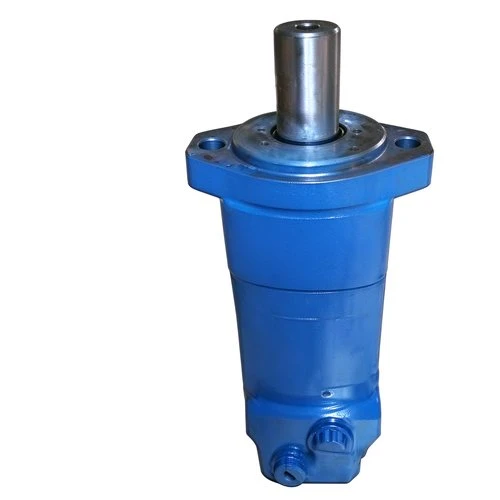
A poorly functioning motor causes unplanned movement: an excavator rolling on a slope, or the swing function lurching when the operator changes direction. Hitachi fixed-displacement axial piston motors are built for smooth acceleration and deceleration, and they integrate with the machine's auto-braking system. Release the travel or swing lever and the motor engages its brake within a fraction of a second.
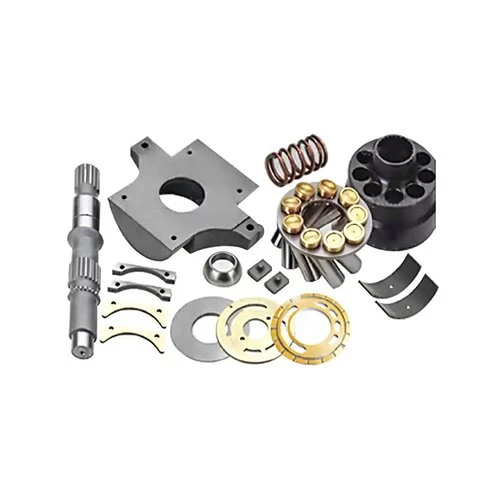
On the EX60-2, the AP5S53 axial piston fixed motor uses matched cylinder block, piston shoes, and valve plate to keep movement controlled at maximum speed. This matters on busy sites with pedestrians, other machines, or uneven ground - a split-second brake delay can cause a collision.
4. Load Sensing: Preventing Overload and Tip-Over
Overloading is a common site mistake, especially when crews rush or misjudge uneven loads. It leads to tip-overs, broken components, and structural failure. Hitachi's hydraulic load sensing monitors the boom load and adjusts pressure accordingly. If the load exceeds rated capacity, the system limits boom movement or stops it, with a visual alert in the cab.
The fixed motors in this system - such as the HMGF57QA axial piston fixed motor - transmit force to the boom without pushing past safe limits. When motor components wear and cause inconsistent load sensing, the system loses its ability to read the load correctly. Precision-matched replacement parts keep load sensing working as designed after thousands of hours.
5. Spare Parts Reliability: The Long-Term Safety Layer
The previous four functions only hold up if the parts inside them stay within original metallurgy and tolerance. A main pump with worn piston shoes or valve plates gives inconsistent performance or fails completely. A pump that drops suddenly mid-dig, or loses power on a slope or near power lines, is a safety event - not just a maintenance issue.
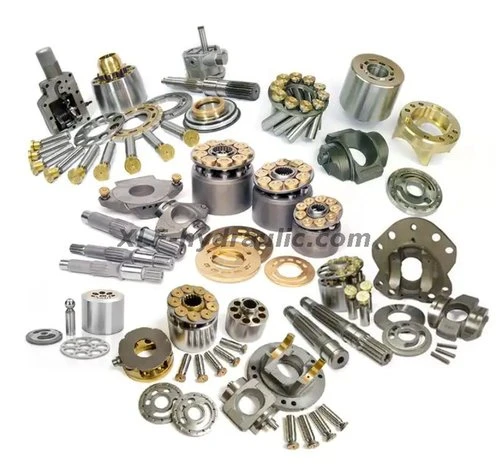
Replacement HPV050 main pumps and related components are built to match Hitachi's original tolerances, holding the same pressure and heat levels as factory parts. Mine operators running machines 24/7 report fewer unplanned shutdowns when pumps are replaced with matched parts rather than cheap alternatives.

ROPS and FOPS: The Cabin Layer on Top
Beyond hydraulics, Hitachi machines carry ROPS (rollover protective) and FOPS (falling object protective) structures for the cab, plus adjustable seating, reachable controls, and clear visibility to reduce fatigue and distraction. The electrical system uses redundant wiring with automatic shut-offs on short circuits.
These features only work if what's underneath is sound. A ROPS frame is only effective on a properly mounted chassis, and pressure regulation only works if the pump, motor, and swivel seals are in good condition. Cabin protection doesn't compensate for a worn hydraulic system.
FAQ
Which hydraulic component causes the most site incidents? Swivel joint seal leaks and motor brake issues are the most common hydraulic-related movement hazards. Main pump over-pressure and load sensing failures cause the more serious boom and tip-over events.
How often should swivel joint seals be checked? Inspect during routine service for weeping or fluid spray at the connection. On heavy-duty or dusty applications, check every 1,000–1,500 hours. Replace the seal assembly if pressure leaks or movement feels uneven.
Can aftermarket parts affect machine safety? Yes. Parts that don't match original tolerances - seals, piston shoes, valve plates, motor cylinder blocks - cause inconsistent pressure, delayed braking, or inaccurate load sensing. The safety systems depend on matched components holding spec.
What's the difference between the relief valve and load sensing? The relief valve is a hard fail-safe: it opens if pressure exceeds a fixed maximum, protecting the pump and hoses. Load sensing is active control: it reads the boom load and adjusts flow to stay within rated capacity before the relief valve needs to act.
Which Hitachi models use the AP5S53 and HMGF57QA motors? The AP5S53 is the EX60-2 fixed travel/swing motor. The HMGF57QA appears on other Hitachi fixed-motor configurations. Always match the motor part number to your machine's serial number before ordering a replacement.
Conclusion
Hitachi machine safety is a chain: swivel seal, pump relief, motor brake, load sensing, and matched replacement parts. Every link has to hold. If one component wears past tolerance, the rest of the system can't compensate.
We supply Hitachi HPV050 main pumps, EX400-5 variable-displacement pump replacements, AP5S53 and HMGF57QA fixed motors, swivel joints, and internal rebuild parts for Zaxis and EX series machines. Send us your model and serial number - we'll confirm the correct replacement part and whether you need a full assembly or internal repair kit.