Hey there! As a supplier of the Paker series, I've been deeply involved in the world of these hydraulic products. Today, I want to chat about the role of sound design in the Paker series.
First off, let's understand what sound design means in this context. Sound design isn't just about making things quiet or noisy. It's about creating a specific auditory experience that can tell us a lot about the product's performance, reliability, and overall quality.
In the Paker series, sound can be an indicator of how well a product is functioning. For example, when a hydraulic pump in the Paker series is running smoothly, it should produce a consistent, low - pitched hum. This kind of sound is a sign that all the internal components are working in harmony. If there are any abnormal noises, like rattling, screeching, or knocking, it could be a red flag. These sounds might suggest that there's something wrong with the pump, such as a worn - out bearing, a loose part, or a problem with the fluid flow.
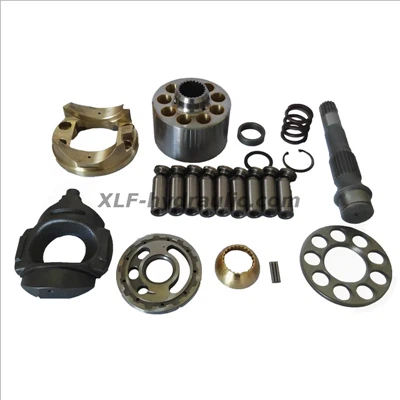
Take the Parker Hydraulic SH5V63 Part SH5V SH6V Piston Metering Pump Pump Spare Parts for instance. When this pump is operating correctly, the sound it makes can give us insights into its metering accuracy. A steady and predictable sound pattern indicates that the piston is moving smoothly and the metering is precise. On the other hand, an irregular sound could mean that the metering is off, which can affect the overall performance of the hydraulic system it's part of.
Sound design also plays a role in user experience. In industrial settings, where the Paker series products are commonly used, a lot of machinery is running at the same time. A well - designed Paker product with a pleasant and unobtrusive sound can make the work environment more comfortable for the operators. Imagine working in a factory filled with loud, screeching machines. It can be not only annoying but also stressful and potentially harmful to the workers' hearing. By designing products in the Paker series to produce a more subdued and consistent sound, we can help create a better working environment.
Another aspect is safety. The sound of a Paker product can act as an early warning system. For example, the Parker F11 SeriesF11 - 012 Parker Hydraulic Radial Piston Air Motor Parker Hydraulic Motor Parts. If the motor starts making strange noises, it could be a sign of an impending failure. Operators can then take preventive measures, like shutting down the system and performing maintenance, before a major breakdown occurs. This can save a lot of time and money in the long run by avoiding costly repairs and production downtime.
Sound design can also be used to enhance the brand image of the Paker series. A product that makes a high - quality, refined sound gives the impression of reliability and durability. When customers hear a Paker product running smoothly, they are more likely to trust the brand and consider purchasing more products from the series in the future. It's like when you hear a luxury car engine purring softly. It gives you a sense of quality and sophistication.
Now, let's talk about how sound design is achieved in the Paker series. Manufacturers use a variety of techniques. One of them is precision engineering. By ensuring that all the components are machined to very tight tolerances, the parts fit together perfectly. This reduces the chances of vibrations and rattling, which are major sources of unwanted noise.
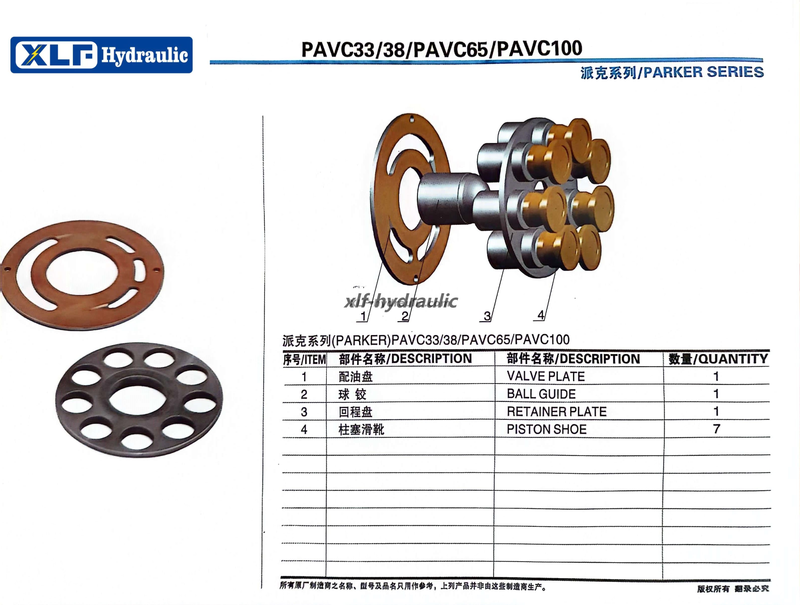
Another technique is the use of sound - dampening materials. These materials can be placed inside the product to absorb and reduce the sound waves. For example, in the PAVC Hydraulic Single Piston Reciprocating Pump Hydraulic System Spare Parts PARKER Spare Repair Kit, sound - dampening materials can be used around the piston to minimize the noise generated during its reciprocating motion.
In addition, advanced computer - aided design (CAD) and simulation tools are used. These tools allow engineers to model the sound characteristics of the product before it's even built. They can analyze how different design changes will affect the sound and make adjustments accordingly. This way, the final product can meet the desired sound design goals.
In conclusion, sound design in the Paker series is not just a bonus feature. It's an essential part of the product development process. It affects performance, user experience, safety, and brand image. As a supplier of the Paker series, I can attest to the importance of these aspects. If you're in the market for high - quality hydraulic products and are interested in learning more about the Paker series, I encourage you to reach out for a procurement discussion. We can talk about how these products with their well - designed sound characteristics can benefit your business.
References:
- Industry knowledge and experience as a Paker series supplier.
- General understanding of hydraulic product design and engineering principles.