Storing an electric piston pump properly is crucial to maintain its performance, extend its lifespan, and ensure its reliability when you need it. As an electric piston pump supplier, I've seen firsthand the impact of improper storage on these valuable pieces of equipment. In this blog, I'll share some essential tips on how to store an electric piston pump correctly.
1. Clean the Pump Thoroughly
Before storing the electric piston pump, it's essential to clean it thoroughly. Remove any dirt, debris, or contaminants from the exterior of the pump. Use a soft brush or a cloth to wipe down the surfaces. Pay special attention to the inlet and outlet ports, as any blockages can cause problems when the pump is put back into use.


If the pump has been used with fluids, it's also important to flush the internal components. Run clean water through the pump to remove any remaining fluid. This helps prevent corrosion and buildup inside the pump. Make sure to follow the manufacturer's instructions for flushing the pump, as different pumps may have different requirements.
2. Drain All Fluids
After cleaning the pump, drain all fluids from the system. This includes the hydraulic fluid, coolant, and any other liquids that may be present in the pump. Draining the fluids prevents them from freezing, which can cause damage to the pump's internal components. It also helps prevent corrosion and the growth of bacteria or fungi.
Use a suitable container to collect the drained fluids. Make sure to dispose of the fluids properly according to local regulations. Some fluids may be hazardous and require special handling.
3. Protect the Pump from Moisture
Moisture is one of the biggest enemies of electric piston pumps. It can cause corrosion, rust, and electrical problems. To protect the pump from moisture, store it in a dry environment. If possible, use a dehumidifier in the storage area to maintain a low humidity level.
You can also cover the pump with a protective cover to prevent dust and moisture from getting in. Make sure the cover is made of a breathable material to allow air circulation. Avoid using plastic covers that can trap moisture and cause condensation.
4. Lubricate Moving Parts
Lubricating the moving parts of the pump is essential to prevent wear and tear during storage. Apply a thin layer of lubricant to the pistons, bearings, and other moving components. This helps reduce friction and ensures smooth operation when the pump is restarted.
Use a lubricant that is recommended by the pump manufacturer. Different pumps may require different types of lubricants, so make sure to check the specifications.
5. Store the Pump in a Secure Location
Store the electric piston pump in a secure location where it won't be damaged. Make sure the storage area is free from vibrations, shocks, and other physical impacts. Avoid storing the pump in an area where it may be exposed to extreme temperatures or direct sunlight.
If possible, store the pump in an upright position. This helps prevent oil or other fluids from leaking out and causing damage. If the pump needs to be stored horizontally, make sure to support it properly to prevent any stress on the internal components.
6. Check the Pump Regularly
Even when the pump is in storage, it's important to check it regularly. Inspect the pump for any signs of damage, corrosion, or other problems. Check the lubrication levels and make sure the protective cover is still in place.
If you notice any issues, address them immediately. This can help prevent further damage and ensure that the pump is in good condition when it's time to use it again.
7. Document the Storage Process
Keep a record of the storage process, including the date of storage, the steps taken to clean and prepare the pump, and any maintenance or inspections performed during storage. This documentation can be useful if you need to refer back to it in the future. It also helps ensure that the pump is stored correctly and that all necessary steps have been taken.
Examples of Electric Piston Pumps
As an electric piston pump supplier, we offer a wide range of high-quality pumps. For example, we have the Factory Direct Sales Rexroth A4VG56 Series Fixed Displacement Pump and Variable Displacement Pump. This series of pumps is known for its reliability and efficiency.
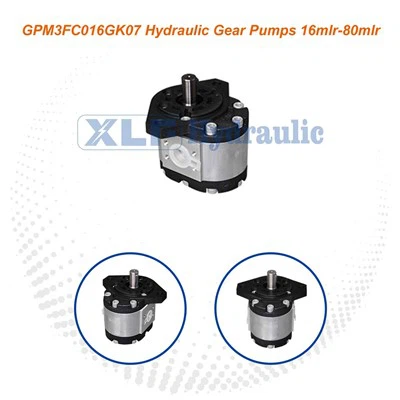
We also have the GPM 3FC016B01 Hydraulic Axial Piston Type Pumps for Wheel Loaders. These pumps are designed specifically for wheel loaders and provide excellent performance.
Another popular product is the CAT 980G Hydraulic Pump and Piston For CAT Loader. This pump is a great choice for CAT loaders, offering high durability and power.
Conclusion
Proper storage of an electric piston pump is essential to ensure its longevity and performance. By following the tips outlined in this blog, you can protect your pump from damage and ensure that it's ready to use when you need it.
If you're in the market for an electric piston pump or need more information about our products, we invite you to contact us for procurement and further discussion. We're here to help you find the right pump for your needs and provide you with the best service possible.
References
- Manufacturer's manuals for electric piston pumps
- Industry standards and best practices for pump storage