Hey there, folks! As a supplier of hydraulic valves, I've been getting a lot of questions lately about relief valves in hydraulic systems. So, I thought I'd take some time to break it down for you and explain what a relief valve is, how it works, and why it's so important.
What Is a Relief Valve?
Let's start with the basics. A relief valve is a crucial component in a hydraulic system. It's designed to protect the system from over - pressurization. You know, in a hydraulic system, things can get pretty intense in terms of pressure. If the pressure goes too high, it can cause all sorts of problems, like damaging the hoses, seals, or even the pumps.
Think of a relief valve as a safety valve. It's like the pressure - release valve on a pressure cooker. When the pressure inside the cooker gets too high, the valve opens up and lets some steam out to bring the pressure back down to a safe level. In a hydraulic system, the relief valve does a similar job. When the pressure in the system exceeds a pre - set limit, the relief valve opens and diverts the excess fluid back to the reservoir.
How Does It Work?
Okay, so how exactly does a relief valve work? Well, most relief valves have a spring - loaded poppet or a spool. The spring is set to a specific pressure, which is called the cracking pressure. This is the pressure at which the valve starts to open.
When the pressure in the hydraulic system is below the cracking pressure, the spring keeps the poppet or spool closed. The fluid in the system flows through the normal circuit as it should. But when the pressure rises above the cracking pressure, the force of the fluid overcomes the force of the spring. This causes the poppet or spool to open, and the excess fluid is diverted back to the reservoir.
As the fluid is diverted, the pressure in the system starts to drop. Once the pressure drops below the cracking pressure again, the spring closes the valve, and the normal flow of the hydraulic system resumes.
Types of Relief Valves
There are a few different types of relief valves commonly used in hydraulic systems. The most common ones are direct - acting relief valves and pilot - operated relief valves.
Direct - Acting Relief Valves
Direct - acting relief valves are the simplest type. They have a single spring - loaded poppet. They're pretty straightforward and are often used in low - to medium - pressure applications. They're also relatively inexpensive and easy to maintain.
Pilot - Operated Relief Valves
Pilot - operated relief valves are a bit more complex. They use a small pilot valve to control the opening and closing of the main valve. These valves are great for high - pressure applications because they can handle large flow rates and have better pressure control. They're more expensive than direct - acting valves, but they offer better performance in certain situations.
Why Are Relief Valves So Important?
Now, you might be wondering why relief valves are so important in a hydraulic system. Well, there are several reasons.


Protection Against Over - Pressurization
As I mentioned earlier, the main job of a relief valve is to protect the system from over - pressurization. Over - pressurization can cause serious damage to the hydraulic components. It can lead to leaks, burst hoses, and even catastrophic failure of the pumps. By keeping the pressure in check, relief valves extend the lifespan of the hydraulic system and prevent costly repairs.
System Stability
Relief valves also help to maintain the stability of the hydraulic system. They ensure that the pressure in the system stays within a safe and predictable range. This is important for the proper operation of the hydraulic equipment. For example, in a hydraulic press, consistent pressure is needed to get accurate results. A relief valve helps to make sure that the pressure doesn't fluctuate too much.
Safety
Safety is a big deal in any industrial setting. Hydraulic systems can be dangerous if they're not properly maintained and protected. A relief valve acts as a safety net, reducing the risk of accidents caused by over - pressurization. It gives operators peace of mind knowing that the system is protected.
Our Hydraulic Valve Offerings
As a hydraulic valve supplier, we offer a wide range of relief valves to suit different applications. Whether you need a direct - acting relief valve for a small - scale project or a pilot - operated relief valve for a high - pressure industrial system, we've got you covered.
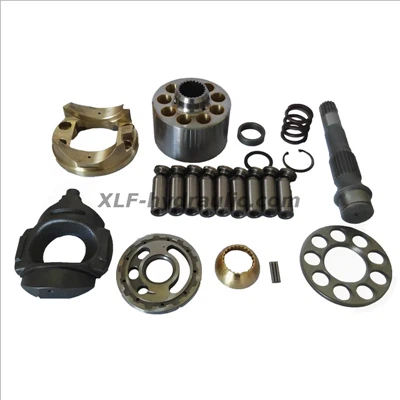
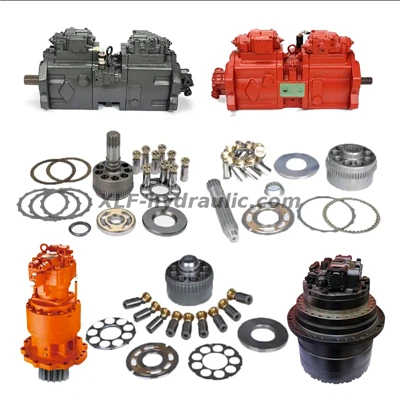
We also supply other types of hydraulic pumps that work hand - in - hand with relief valves in a hydraulic system. For example, we have the CAT 185 3508 PVH Axial Propeller Pump for Cat Excavators. This pump is designed to provide reliable performance in heavy - duty excavator applications.
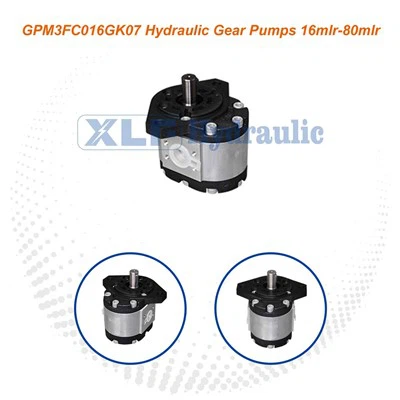
Another great option is the T6 T7 Electric Radial Piston Type Pump Series Single Hydraulic Quantitative Vane Pump. It's a high - efficiency pump that can work well in various hydraulic systems.
And if you're looking for a pump for excavators, our Eaton Vickers Triplex Reciprocating Pump VTM42 For Excavators is a top - notch choice.
Conclusion
In conclusion, relief valves are an essential part of any hydraulic system. They protect the system from over - pressurization, maintain system stability, and ensure safety. Whether you're using a small hydraulic tool or a large industrial machine, a properly functioning relief valve is crucial.
If you're in the market for hydraulic valves or pumps, don't hesitate to reach out to us. We have a team of experts who can help you choose the right products for your specific needs. We're here to make sure your hydraulic system runs smoothly and safely.
References
- "Hydraulic Systems and Components" by Fluid Power World
- "The Basics of Hydraulic Valves" by Hydraulics & Pneumatics Magazine