Hey there! As a supplier of axial piston motors, I've been getting a lot of questions lately about how to improve the dynamic response of these motors. So, I thought I'd share some insights and tips based on my experience in the industry.
First off, let's understand what dynamic response means in the context of an axial piston motor. Dynamic response refers to how quickly and accurately the motor can adjust its output speed and torque in response to changes in the input signal. A motor with good dynamic response can adapt rapidly to load variations, which is crucial in many applications, such as construction equipment, industrial machinery, and marine vessels.
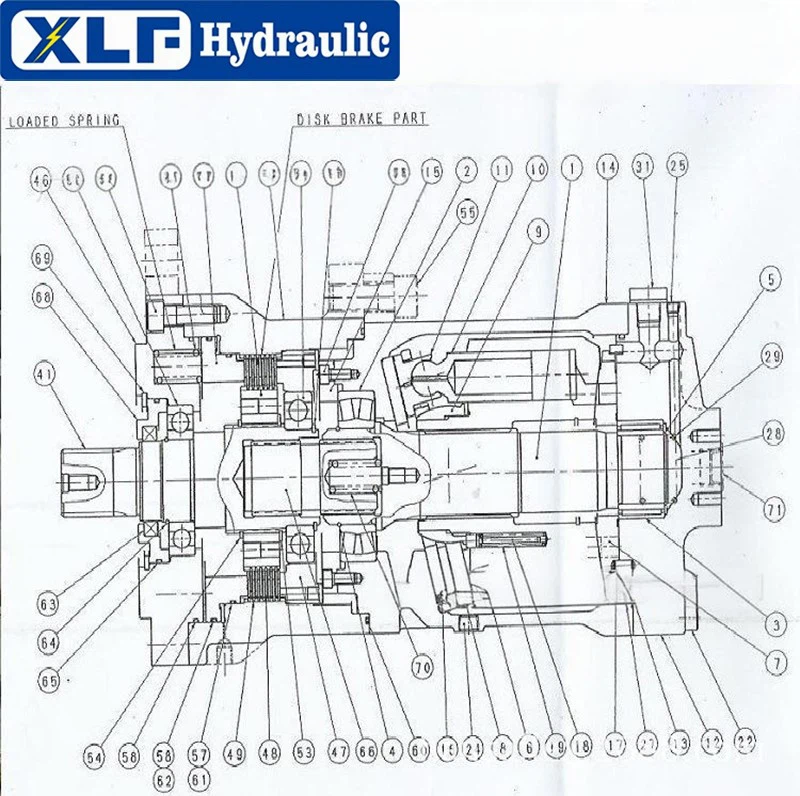
1. Optimize the Hydraulic System Design
One of the key factors affecting the dynamic response of an axial piston motor is the design of the hydraulic system it's part of. Here are some aspects to consider:
- Proper Sizing of Components: Make sure that all the components in the hydraulic system, including the pump, valves, and hoses, are properly sized for the motor. An undersized pump may not be able to supply enough flow to the motor, leading to slow response times. On the other hand, an oversized pump can waste energy and cause unnecessary heat generation.
- Reduce Fluid Resistance: Minimize the length and number of bends in the hydraulic hoses to reduce fluid resistance. High fluid resistance can cause pressure drops and slow down the flow of hydraulic fluid, which in turn affects the motor's response. Using larger diameter hoses can also help reduce resistance.
- Use High - Quality Valves: The valves in the hydraulic system play a crucial role in controlling the flow and pressure of the hydraulic fluid. High - quality, fast - acting valves can improve the motor's dynamic response by quickly adjusting the flow and pressure as needed. For example, proportional valves can provide precise control over the motor's speed and torque.
2. Choose the Right Motor for the Application
Not all axial piston motors are created equal. Different motors have different specifications and performance characteristics, so it's important to choose the right one for your specific application.
- Consider the Motor's Displacement: The displacement of an axial piston motor refers to the volume of fluid it can displace per revolution. A motor with a larger displacement can generally provide more torque, but it may also have a slower response time. For applications that require quick acceleration and deceleration, a motor with a smaller displacement may be more suitable.
- Look at the Motor's Speed Range: Some motors are designed to operate at high speeds, while others are better suited for low - speed applications. Make sure the motor you choose has a speed range that matches the requirements of your application. For example, if you need a motor for a high - speed conveyor system, you'll want a motor that can handle high rotational speeds.
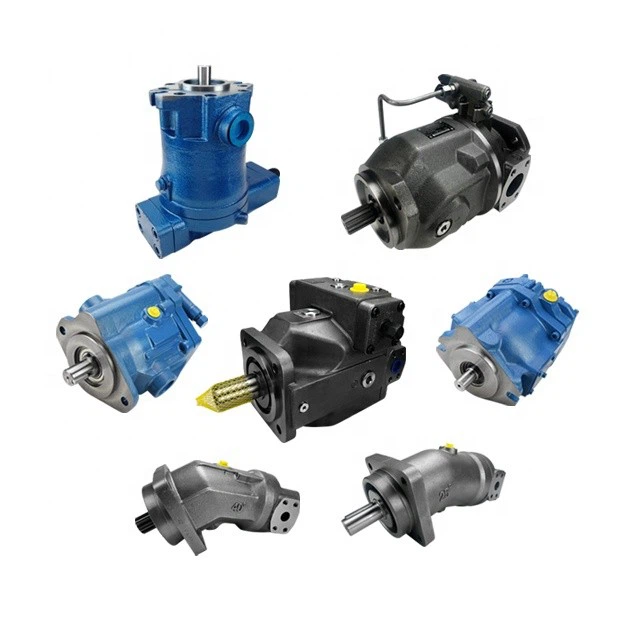
We offer a wide range of axial piston motors to meet different application needs. Check out our CAT 255 - 6805 Piston Type Hydraulic Motor 2556805 Axial Hydraulic Motor, AMC - 30A - M2 Special Hydraulic Motor for Keeling Cranes On Ships, and Parker Series F12 Hydrulic Bldc Axial Motor for Wheeled Tractor. These motors are known for their excellent performance and reliability.
3. Maintain the Motor Properly
Regular maintenance is essential for keeping an axial piston motor in good working condition and ensuring its dynamic response.
- Keep the Hydraulic Fluid Clean: Contaminated hydraulic fluid can cause wear and tear on the motor's internal components, leading to reduced performance and slower response times. Make sure to change the hydraulic fluid at regular intervals and use a high - quality filter to remove any dirt and debris.
- Check for Leaks: Hydraulic leaks can not only waste fluid but also affect the motor's performance. Regularly inspect the motor and the hydraulic system for leaks and repair them promptly.
- Lubricate the Moving Parts: Proper lubrication of the motor's moving parts is crucial for reducing friction and wear. Follow the manufacturer's recommendations for lubrication intervals and use the appropriate lubricant.
4. Implement Feedback Control Systems
Feedback control systems can significantly improve the dynamic response of an axial piston motor. These systems use sensors to measure the motor's output speed, torque, or position and adjust the input signal accordingly.
- Speed Control: A speed control system can maintain a constant speed of the motor, even when the load changes. By using a speed sensor to measure the actual speed of the motor and comparing it to the desired speed, the control system can adjust the flow of hydraulic fluid to the motor to keep the speed constant.
- Torque Control: In some applications, it's important to control the torque output of the motor. A torque control system can use a torque sensor to measure the actual torque and adjust the input signal to the motor to achieve the desired torque.
5. Upgrade the Motor's Internal Components
In some cases, upgrading the motor's internal components can improve its dynamic response.
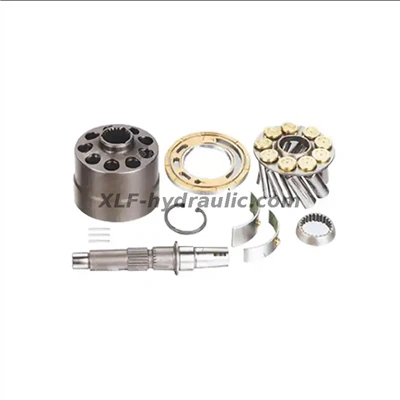
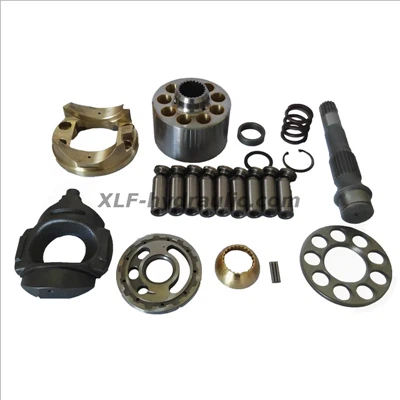
- Use High - Performance Pistons and Cylinders: High - performance pistons and cylinders can reduce internal leakage and improve the motor's efficiency and response. These components are often made of high - strength materials and have precise machining tolerances.
- Install a Better - Designed Valve Plate: The valve plate in an axial piston motor controls the flow of hydraulic fluid in and out of the cylinders. A better - designed valve plate can improve the motor's flow characteristics and reduce pressure losses, leading to better dynamic response.
Conclusion
Improving the dynamic response of an axial piston motor requires a comprehensive approach that includes optimizing the hydraulic system design, choosing the right motor, proper maintenance, implementing feedback control systems, and potentially upgrading internal components. By following these tips, you can ensure that your axial piston motor performs at its best and meets the requirements of your application.
If you're interested in learning more about our axial piston motors or need help improving the dynamic response of your existing motors, feel free to reach out to us for a purchase negotiation. We're here to provide you with the best solutions for your hydraulic needs.
References
- "Hydraulic System Design Handbook" by Eaton Corporation
- "Axial Piston Pumps and Motors: Fundamentals, Design, and Applications" by Thoma, J.