Hey there! As a supplier of hydraulic pumps, I often get asked about all sorts of technical aspects of these nifty machines. One question that pops up quite a bit is, "What is the suction lift of a hydraulic pump?" Well, let's dive right into it and break it down in simple terms.
First off, let's understand what a hydraulic pump does. In a nutshell, a hydraulic pump is like the heart of a hydraulic system. It takes in fluid, usually oil, and then pressurizes it to transfer power. This pressurized fluid is what makes all the hydraulic components, like cylinders and motors, do their thing.
Now, the suction lift of a hydraulic pump is a crucial concept to grasp. It refers to the vertical distance between the centerline of the pump and the surface of the fluid in the reservoir. In other words, it's how high the pump has to "suck" the fluid up from the reservoir to get it into the pump.
Why is this important? Well, if the suction lift is too high, the pump might struggle to get enough fluid. This can lead to a whole bunch of problems, like cavitation. Cavitation is when the pressure in the pump drops so low that the fluid starts to vaporize. These tiny vapor bubbles then collapse when they reach higher-pressure areas, creating a shockwave that can damage the pump's internal components over time. It's like having a bunch of little mini-explosions inside the pump!
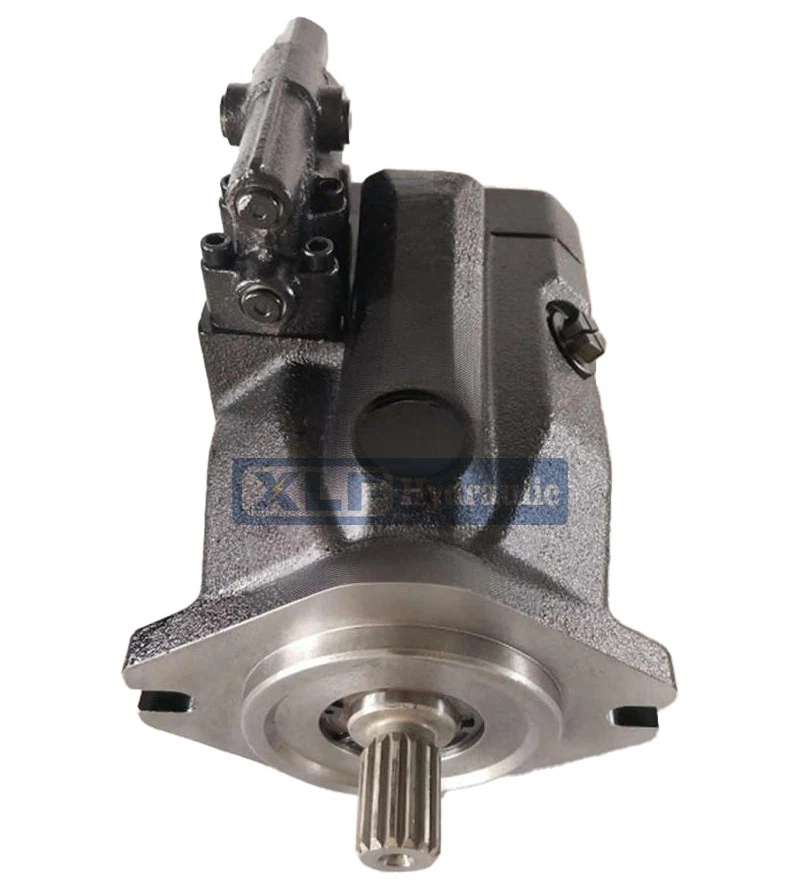

There are a few factors that affect the suction lift of a hydraulic pump. One of the main ones is the type of pump. Different types of pumps, like gear pumps, vane pumps, and piston pumps, have different suction capabilities. For example, gear pumps are generally pretty good at handling a certain amount of suction lift, but piston pumps might be more sensitive.
The viscosity of the fluid also plays a big role. If the fluid is too thick, it's harder for the pump to suck it up. Think of trying to suck honey through a straw compared to water. Honey is much more viscous, so it takes more effort to get it moving. In a hydraulic system, if the fluid is too thick due to cold temperatures or the wrong type of fluid being used, the suction lift performance can really take a hit.
Another factor is the condition of the suction line. If the suction line is too long, has too many bends, or is clogged with debris, it can restrict the flow of fluid to the pump. This is like trying to drink through a really long, kinked straw. You're not going to get much fluid flowing, no matter how hard you suck.
So, how do you determine the right suction lift for your hydraulic pump? Well, it's a bit of a balancing act. You need to look at the pump's specifications provided by the manufacturer. They'll usually give you a maximum suction lift value that the pump can handle under ideal conditions. But you also need to take into account the real-world factors I mentioned earlier, like fluid viscosity and the condition of the suction line.
Let's say you're looking at a specific hydraulic motor. For example, the OMR 250cc Gerotor Hydraulic Motor - SAE 6B Spline Shaft G1/2 Side Ports 4-Hole Oval Flange Mount LSHT. This motor is part of a hydraulic system, and the suction lift of the associated pump is crucial for its proper operation. If the suction lift is not right, the motor might not get enough fluid, and its performance will suffer.
Now, let's talk about some aftermarket options. We've got the Volvo 11026949 Aftermarket Kit | Hydraulic Pump + Fan Motor | OEM-Spec | Ultra-Durable & High-Efficiency. This kit is a great choice if you're looking to replace a worn-out or damaged hydraulic pump in your Volvo equipment. And when you're installing this pump, you need to pay close attention to the suction lift requirements.
Another option is the 11116948 Aftermarket Volvo Replacement Pumps & Fan Motor & Parts. These replacement parts are designed to fit perfectly and work efficiently in your Volvo hydraulic system. But again, getting the suction lift right is key to ensuring long-term performance and reliability.
So, if you're in the market for a hydraulic pump or related components, and you've got questions about suction lift or any other technical aspects, don't hesitate to reach out. We're here to help you make the right choice and ensure that your hydraulic system runs smoothly. Whether you're a small business owner using hydraulic equipment for your operations or a large industrial company with complex hydraulic systems, we've got the expertise and the products to meet your needs.
In conclusion, understanding the suction lift of a hydraulic pump is essential for the proper functioning of your hydraulic system. By considering factors like the type of pump, fluid viscosity, and the condition of the suction line, you can ensure that your pump operates at its best. And if you need any assistance or have any questions, just get in touch with us. We're always happy to chat and help you find the perfect hydraulic solutions for your requirements.
References
- Hydraulic Pump Handbook (Manufacturer-Specific)
- Fluid Power Technology Books
- Industry Research Papers on Hydraulic Systems