

In the realm of fluid power systems, variable speed pumps have emerged as a game - changer, offering unparalleled efficiency, flexibility, and performance. As a leading supplier of the best variable speed pumps, I am often asked about the starting torque of these remarkable devices. In this blog, we'll delve into the concept of starting torque, understand its significance, and explore how it relates to our top - notch variable speed pumps.
Understanding Starting Torque
Starting torque is the amount of torque (rotational force) that a motor of a pump must generate to initiate the rotation of the pump's impeller and start moving the fluid. It is a crucial parameter because if the starting torque is insufficient, the pump may fail to start or may experience a slow and inefficient startup, leading to potential damage to the pump components and reduced system performance.
The starting torque requirement depends on several factors. Firstly, the inertia of the rotating parts of the pump itself plays a major role. A pump with a large and heavy impeller or a complex gear system will have a higher inertia, which means more torque is needed to get it moving. Secondly, the load on the pump at startup is significant. For instance, if the pump is required to start against a high - pressure head or if there is a large volume of fluid that needs to be displaced immediately, the starting torque requirements will be much higher.
Starting Torque in Variable Speed Pumps
Variable speed pumps are designed to operate at different speeds according to the system's demand. This ability to vary the speed offers several advantages, including energy savings and better control of the fluid flow. However, it also has implications for the starting torque.
One of the key benefits of variable speed pumps is that they can often start at a lower speed. Starting at a lower speed reduces the inertia of the system and the load on the motor, thereby reducing the required starting torque. As the pump gradually ramps up to its operating speed, the motor can provide the necessary torque in a more controlled manner. This is in contrast to fixed - speed pumps, which typically have to overcome the full - load inertia and pressure head all at once when starting.
Our best variable speed pumps are engineered with advanced motor control algorithms. These algorithms optimize the starting process by adjusting the voltage and frequency supplied to the motor. By doing so, they ensure that the motor can generate just the right amount of starting torque to initiate rotation smoothly, without over - stressing the motor or the pump components.

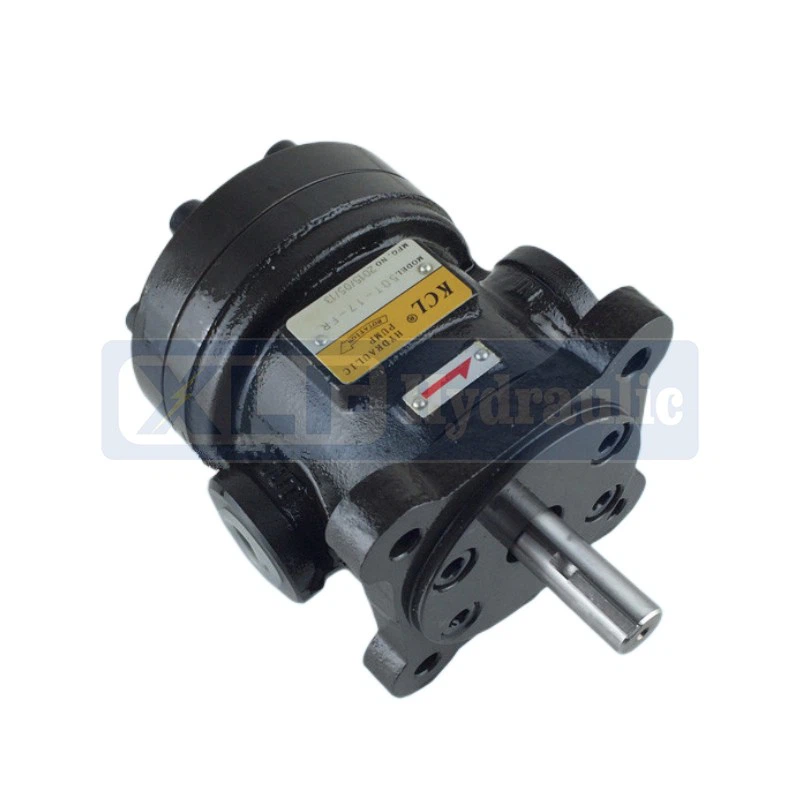
Impact of Starting Torque on System Performance
The starting torque of a variable speed pump has a direct impact on the overall performance of the fluid power system. A pump with an appropriate starting torque will start quickly and smoothly, minimizing downtime and ensuring a consistent supply of fluid. This is particularly important in applications where a continuous flow of fluid is critical, such as in industrial manufacturing processes or in building HVAC systems.
On the other hand, if the starting torque is too low, the pump may experience a "stall" condition, where it fails to start or can only rotate at a very slow speed. This not only disrupts the fluid flow but can also cause overheating of the motor due to the high current draw as it tries to overcome the load. Over time, this can lead to premature motor failure and increased maintenance costs.
Conversely, if the starting torque is too high, it can cause excessive mechanical stress on the pump's components, such as the bearings, shafts, and seals. This can result in accelerated wear and tear, leading to leaks, reduced efficiency, and ultimately, pump failure.
Applications and Starting Torque Requirements
Different applications have different starting torque requirements for variable speed pumps. For example, in a water supply system for a small residential building, the starting torque requirements are relatively low. The pump is usually starting against a relatively low - pressure head, and the volume of water to be displaced at startup is not very large. Our variable speed pumps in such applications can be configured to start with a minimal starting torque, saving energy and reducing wear on the components.
In industrial applications, such as in a chemical processing plant, the starting torque requirements can be much higher. The pumps may be required to start against high - pressure pipelines filled with viscous fluids. In these cases, our variable speed pumps are designed to provide a higher starting torque when needed. They can also adapt to the changing load conditions during the startup process, ensuring a reliable and efficient operation.
Our Best Variable Speed Pumps and Starting Torque
As a supplier of the best variable speed pumps, we take great pride in the design and performance of our products. Our pumps are equipped with high - quality motors and advanced control systems that are specifically tuned to optimize the starting torque.
We offer a wide range of variable speed pumps suitable for various applications. For example, the CAT Hydraulic Axial Piston Polyhydron Hydraulic Pump 180 9588 For Loader 416D is designed for heavy - duty loader applications. It has a robust motor that can generate the necessary starting torque to overcome the high - load conditions typically encountered in loader operations.
The 50T PA Series Pressure Compensated Vane Pump for Crawler Excavator is another example. In crawler excavators, the pump needs to start quickly and efficiently to provide the hydraulic power required for the excavator's operations. Our vane pump is engineered to have an optimized starting torque to ensure smooth and reliable startup.
The Veljan Excavators VT6ED Fixed Displacement Electric Piston Pump is designed with advanced motor control technology to adjust the starting torque according to the load conditions. This makes it highly suitable for excavator applications where the load can vary significantly during startup.
Conclusion and Call to Action
In conclusion, the starting torque of a variable speed pump is a critical parameter that affects its performance, reliability, and longevity. Our best variable speed pumps are designed to provide the optimal starting torque for a wide range of applications. Whether you are in the industrial sector, construction, or any other field that requires efficient fluid power systems, our pumps can meet your needs.
If you are interested in learning more about our variable speed pumps or have specific requirements for your application, we encourage you to contact us for a detailed discussion. Our team of experts is ready to assist you in selecting the right pump and ensuring that it is properly configured for your system. Let's work together to optimize your fluid power system and achieve the best possible performance.
References
- "Fluid Power Engineering" by Anthony Esposito
- "Pump Handbook" by Igor J. Karassik, Joseph P. Messina, Paul Cooper, and Charles C. Heald


