What is the Power Density of a Hydraulic Pump?
As a seasoned supplier of hydraulic pumps, I've witnessed firsthand the critical role these components play in various industries. One of the key performance metrics that often comes up in discussions with customers is the power density of a hydraulic pump. In this blog post, I'll delve into what power density means, why it matters, and how it relates to the hydraulic pumps we offer.
Understanding Power Density
Power density is a measure of how much power a device can deliver relative to its size or weight. In the context of hydraulic pumps, it refers to the amount of hydraulic power output per unit volume or mass of the pump. Mathematically, power density can be expressed as:
Power Density = Hydraulic Power Output / Volume or Mass
Hydraulic power output is calculated as the product of pressure and flow rate:
Hydraulic Power (kW) = Pressure (MPa) × Flow Rate (L/min) / 60
A high power density means that the pump can deliver a large amount of power in a compact and lightweight package. This is particularly important in applications where space and weight are at a premium, such as in mobile equipment like construction machinery, agricultural vehicles, and aerospace systems.

Why Power Density Matters
There are several reasons why power density is a crucial factor in the selection of hydraulic pumps:
- Space and Weight Savings: In many applications, there are strict limitations on the available space and weight. A pump with high power density allows designers to reduce the overall size and weight of the hydraulic system, which can lead to significant cost savings and improved performance. For example, in a mobile crane, a more compact hydraulic pump can free up space for other components or reduce the weight of the vehicle, improving its maneuverability and fuel efficiency.
- Efficiency: High power density pumps often incorporate advanced design features and materials that improve their overall efficiency. This means that they can convert more of the input energy into useful hydraulic power, reducing energy consumption and operating costs. In addition, efficient pumps generate less heat, which can extend the lifespan of the hydraulic fluid and other components in the system.
- Performance: A pump with high power density can deliver higher pressure and flow rates, enabling faster and more precise operation of hydraulic actuators. This can improve the productivity and performance of the equipment, especially in applications that require rapid and accurate movements, such as in industrial automation and robotics.
- Versatility: High power density pumps can be used in a wide range of applications, from small-scale machinery to large industrial systems. Their compact size and high performance make them suitable for both mobile and stationary applications, providing designers with greater flexibility in system design.
Factors Affecting Power Density
Several factors can influence the power density of a hydraulic pump:
- Design and Technology: The design of the pump, including its internal components and operating principles, can have a significant impact on its power density. Advanced pump designs, such as axial piston pumps and radial piston pumps, are known for their high power density due to their efficient use of space and ability to generate high pressures and flow rates. In addition, the use of advanced materials and manufacturing techniques can further improve the performance and power density of the pump.
- Pressure and Flow Rate: The pressure and flow rate requirements of the application determine the amount of power that the pump needs to deliver. Higher pressure and flow rates generally require larger and more powerful pumps, which can reduce the power density. However, by optimizing the design of the pump and the hydraulic system, it is possible to achieve high power density even at high pressure and flow rates.
- Efficiency: As mentioned earlier, the efficiency of the pump plays a crucial role in determining its power density. A more efficient pump can deliver more power with less input energy, resulting in a higher power density. Factors that affect pump efficiency include the internal leakage, friction losses, and the design of the pumping elements.
- Cooling and Lubrication: Proper cooling and lubrication are essential for maintaining the performance and reliability of the pump. In high-power applications, the pump can generate a significant amount of heat, which can reduce its efficiency and lifespan. Effective cooling and lubrication systems can help to dissipate the heat and ensure that the pump operates at optimal temperatures, improving its power density and overall performance.
Our Hydraulic Pumps and Power Density
At our company, we offer a wide range of hydraulic pumps with high power density to meet the diverse needs of our customers. Our pumps are designed and manufactured using the latest technology and materials to ensure maximum performance, efficiency, and reliability.
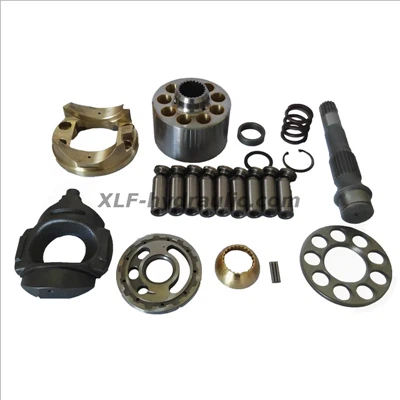
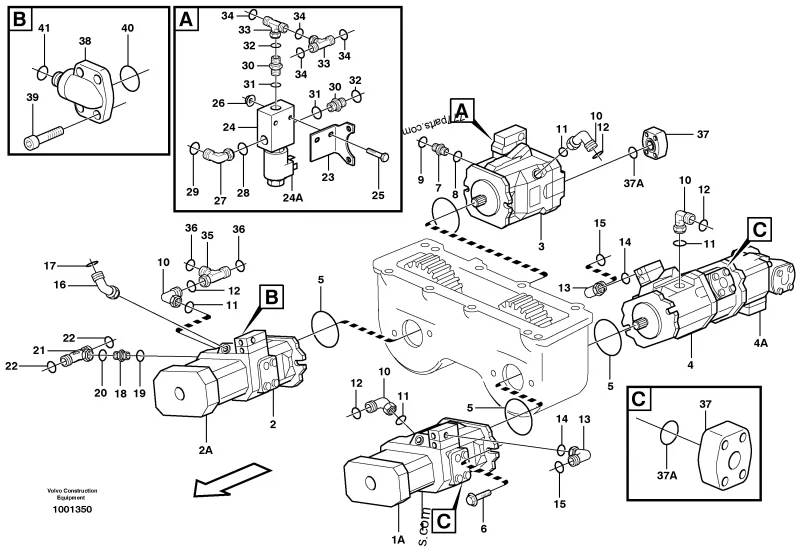
For example, our 4T1029 Aftermarket Volvo Replacement Pumps & Fan Motor & Parts | Heavy-Duty Durability & High-Efficiency are specifically designed to provide high power density in a compact and lightweight package. These pumps are suitable for a variety of applications, including construction machinery, agricultural equipment, and industrial automation. They feature advanced design features such as axial piston technology, which allows them to generate high pressures and flow rates with minimal energy consumption.
In addition, our 11116948 Aftermarket Volvo Replacement Pumps & Fan Motor & Parts and 11707970 Aftermarket Volvo Replacement Pumps & Fan Motor & Parts are also known for their high power density and excellent performance. These pumps are designed to meet the demanding requirements of heavy-duty applications, providing reliable and efficient operation in harsh environments.
Conclusion
Power density is a critical factor in the selection of hydraulic pumps, especially in applications where space, weight, and performance are at a premium. A high power density pump can deliver a large amount of power in a compact and lightweight package, offering significant advantages in terms of space and weight savings, efficiency, performance, and versatility.
At our company, we are committed to providing our customers with high-quality hydraulic pumps that offer excellent power density and performance. Our pumps are designed and manufactured to meet the highest standards of quality and reliability, ensuring that they can meet the demanding requirements of a wide range of applications.
If you are interested in learning more about our hydraulic pumps or have any questions about power density, please feel free to contact us. Our team of experts will be happy to assist you in selecting the right pump for your application and provide you with the information and support you need to make an informed decision.
References
- Fluid Power Handbook, 3rd Edition, Edited by Heinz P. Bloch and Fred K. Geitner
- Hydraulic Pumps and Motors: Fundamentals, Selection, and Application, by John F. Watson
- Design and Analysis of Hydraulic Systems, by Anthony Esposito