Hey there! As a single speed pump supplier, I often get asked about the maximum head of a single speed pump. So, I thought I'd take a moment to break it down for you.
First off, let's talk about what "head" means in the context of pumps. Head is basically the height to which a pump can lift a fluid. It's measured in feet or meters and represents the energy that the pump imparts to the fluid. The maximum head of a single speed pump is the highest point it can push the fluid against gravity and other resistances.
There are a few factors that can affect the maximum head of a single speed pump. One of the main ones is the pump's design and construction. Different types of pumps, like centrifugal pumps, positive displacement pumps, etc., have different capabilities when it comes to head. Centrifugal pumps, for example, are great for moving large volumes of fluid at relatively low heads. They work by using an impeller to create a centrifugal force that pushes the fluid outwards. On the other hand, positive displacement pumps are better at generating high heads because they trap a fixed amount of fluid and then force it out.
The size and power of the pump also play a big role. A larger pump with a more powerful motor can generally achieve a higher head than a smaller one. The impeller diameter, the number of stages in a multi - stage pump (if applicable), and the speed of the pump all contribute to its head - generating ability.
The properties of the fluid being pumped are another important factor. Viscosity, density, and temperature can all impact the pump's performance. For instance, a more viscous fluid will require more energy to move, which can reduce the maximum head that the pump can achieve.
Now, let's get into some real - world numbers. The maximum head of a single speed pump can vary widely. For small domestic single speed pumps, like those used in home water supply systems, the maximum head might be around 20 - 50 feet. These pumps are usually designed to move water from a well or a storage tank to different parts of the house.
In industrial applications, however, the numbers can be much higher. Some heavy - duty single speed pumps can achieve heads of several hundred feet or even more. For example, in mining operations, pumps are often used to lift water from deep underground mines. These pumps need to have a high maximum head to overcome the long vertical distance and the frictional losses in the pipes.
If you're in the market for a single speed pump, it's crucial to know your specific requirements. You need to consider the height you need to lift the fluid, the flow rate you require, and the properties of the fluid. That way, you can choose a pump that's best suited for your needs.
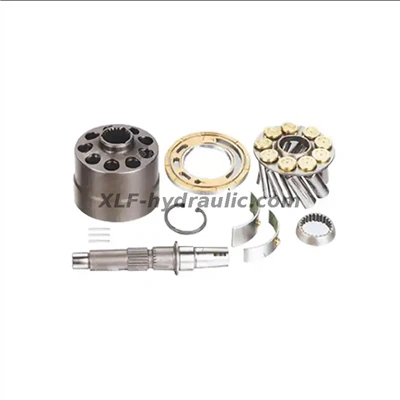
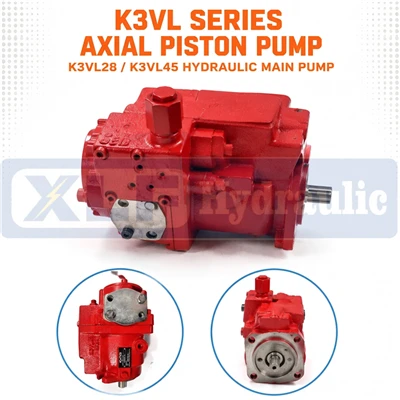
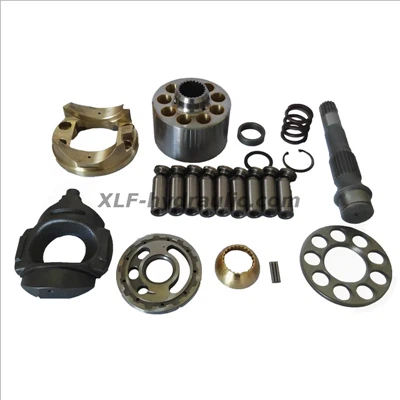
As a supplier, I've seen a wide range of pumps in action. For example, the Parker Denison T6ED Double Plunger Pump T6CC Axial Vane Pump T7EE Triple Pump T7EEC is a great option for many industrial applications. It's known for its reliability and ability to handle different fluid pressures and heads. Another option is the Factory Direct Sales Rexroth A4VG56 Series Fixed Displacement Pump and Variable Displacement Pump. This series offers flexibility in terms of displacement and can be used in various hydraulic systems where head and flow rate control are important. And if you're looking for a pump for heavy - duty equipment like a Cat Pillar Wheel Tractor, the Hydraulic Swash Plate Type Axial Piston Pump 202 1335 For Cat Pillar Wheel Tractor is a solid choice.
When you're selecting a single speed pump, don't just focus on the maximum head. You also need to think about the overall efficiency of the pump. A pump that can achieve a high head but uses a lot of energy might not be the best choice in the long run. You want a pump that can give you the performance you need while keeping your operating costs down.
It's also important to consider the maintenance requirements of the pump. Some pumps are easier to maintain than others. Regular maintenance can help extend the life of the pump and ensure that it continues to perform at its best.


If you're still not sure which single speed pump is right for you, don't hesitate to reach out. I'm here to help you find the perfect pump for your specific application. Whether you're a small business owner looking for a pump for your workshop or a large industrial facility in need of a heavy - duty solution, I can provide you with the information and support you need.
In conclusion, the maximum head of a single speed pump depends on many factors, including the pump's design, size, power, and the properties of the fluid being pumped. By understanding your requirements and doing your research, you can choose a pump that will meet your needs effectively. So, if you're in the market for a single speed pump, get in touch, and let's start the conversation about finding the best pump for you.
References:
- Pump Handbook, Karassik et al.
- Hydraulic Systems and Components: Design, Installation and Maintenance, Nigel A. Smith.