As a supplier of axial piston pumps, I often get asked about the lifespan of these crucial hydraulic components. Understanding the lifespan of an axial piston pump is essential for both our customers and us as a supplier. It helps in proper maintenance planning, cost - effectiveness analysis, and overall system reliability.
Factors Affecting the Lifespan of Axial Piston Pumps
1. Operating Conditions
One of the most significant factors influencing the lifespan of an axial piston pump is the operating conditions. Pumps that are used in harsh environments, such as high - temperature or high - humidity settings, tend to have a shorter lifespan. For example, in a mining operation, the pump may be exposed to dust, dirt, and extreme temperatures. These contaminants can enter the pump, causing wear and tear on the internal components. High - temperature environments can also lead to a breakdown of the hydraulic fluid, which in turn can damage the pump.
On the other hand, pumps operating in clean, controlled environments with stable temperatures are likely to last longer. For instance, in a manufacturing plant where the operating conditions are carefully regulated, the axial piston pump can function optimally for an extended period.
2. Quality of Hydraulic Fluid
The quality of the hydraulic fluid used in the axial piston pump is another crucial factor. Hydraulic fluid serves multiple purposes, including lubrication, heat transfer, and power transmission. Low - quality hydraulic fluid may not provide adequate lubrication, leading to increased friction between the moving parts of the pump. This friction can cause premature wear of the pistons, cylinders, and other components.
Moreover, the hydraulic fluid should be free from contaminants such as water, dirt, and air. Water in the fluid can cause corrosion, while dirt can act as an abrasive, accelerating the wear process. Air bubbles in the fluid can lead to cavitation, which is a phenomenon where vapor bubbles form and collapse in the fluid, causing damage to the pump's internal surfaces.
3. Maintenance Practices
Regular maintenance is key to extending the lifespan of an axial piston pump. This includes tasks such as fluid changes, filter replacements, and inspection of the pump's internal components. A well - maintained pump is less likely to experience sudden failures. For example, changing the hydraulic fluid at the recommended intervals helps to keep the fluid clean and ensures proper lubrication.
Inspecting the pump for signs of wear, such as leaks or unusual noises, can also help in detecting potential problems early. By addressing these issues promptly, the overall lifespan of the pump can be significantly increased.
4. Design and Manufacturing Quality
The design and manufacturing quality of the axial piston pump play a vital role in determining its lifespan. Pumps that are designed with high - quality materials and advanced manufacturing techniques are generally more durable. For example, pumps with precision - machined components and high - strength materials can withstand higher pressures and loads, resulting in a longer lifespan.
At our company, we take great pride in offering high - quality axial piston pumps. Our pumps are designed to meet the highest industry standards, ensuring reliability and longevity. We source the best materials and use state - of - the - art manufacturing processes to produce pumps that can perform under demanding conditions.
Average Lifespan Estimates
The lifespan of an axial piston pump can vary widely depending on the factors mentioned above. In general, a well - maintained axial piston pump operating under normal conditions can last anywhere from 10,000 to 20,000 hours. However, in more challenging environments or with poor maintenance, the lifespan may be significantly shorter, perhaps only 5,000 hours or less.
For example, in a construction application where the pump is used in an excavator, the operating conditions are often tough. The pump may be subjected to high - pressure loads, frequent start - stop cycles, and exposure to dust and debris. In such cases, with proper maintenance, the pump may last around 10,000 hours. On the other hand, in a more stable industrial application, such as a hydraulic press in a factory, the pump could potentially last up to 20,000 hours or more.
Our Product Offerings
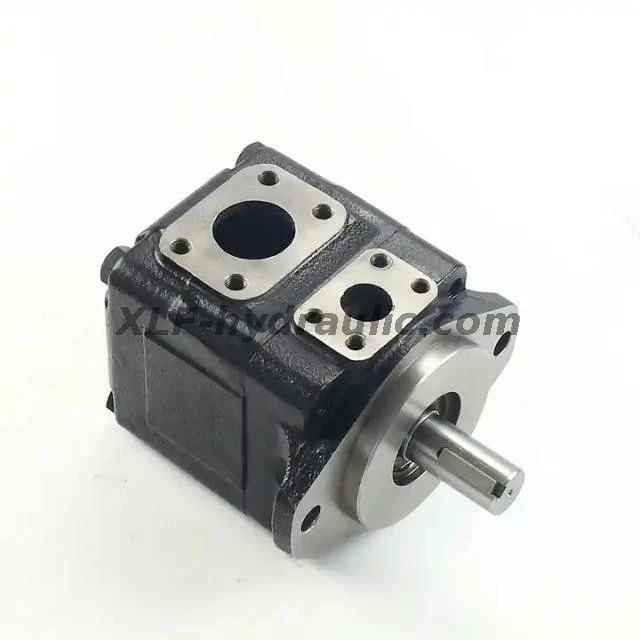
We offer a wide range of axial piston pumps suitable for various applications. For example, the For Excavators High Quality Parker Denison T7DS T7D Axial and Radial Piston Pump is specifically designed for excavators. It is built to withstand the high - pressure and high - load requirements of these heavy - duty machines. The pump features advanced design and high - quality materials, ensuring reliable performance and a relatively long lifespan.
Another product in our portfolio is the Parker Jcb 20/925341 Hydraulic Hydraulic Piston Pumps for Crawler Bulldozers. These pumps are engineered to meet the specific needs of crawler bulldozers, providing efficient power transmission and durability in tough working conditions.
We also have the VVP Series Low Pressure Variable Double Vane Pumps for Wheeled Tractor. These pumps are designed for wheeled tractors, offering low - pressure operation and variable flow capabilities. The design of these pumps takes into account the specific requirements of agricultural applications, ensuring a long and reliable service life.
Tips to Extend the Lifespan of Axial Piston Pumps
1. Follow the Manufacturer's Recommendations
It is essential to follow the manufacturer's recommendations regarding maintenance, fluid selection, and operating conditions. The manufacturer has in - depth knowledge of the pump's design and specifications, and their guidelines are designed to ensure optimal performance and longevity.
2. Monitor the Pump Regularly
Regular monitoring of the pump can help in detecting potential problems early. This includes checking for leaks, unusual noises, and changes in the pump's performance. By addressing these issues promptly, the risk of major failures can be reduced.
3. Use High - Quality Hydraulic Fluid
Investing in high - quality hydraulic fluid is a cost - effective way to extend the lifespan of the pump. High - quality fluid provides better lubrication, heat transfer, and protection against contaminants.

4. Train the Operators
Proper training of the operators is crucial. Operators should be aware of the correct operating procedures, such as starting and stopping the pump, and should avoid overloading the pump.
Conclusion
In conclusion, the lifespan of an axial piston pump is influenced by a variety of factors, including operating conditions, fluid quality, maintenance practices, and design and manufacturing quality. By understanding these factors and taking appropriate measures, the lifespan of the pump can be significantly extended.
As a supplier of axial piston pumps, we are committed to providing our customers with high - quality products and expert advice on pump maintenance and operation. If you are in the market for an axial piston pump or need more information about extending the lifespan of your existing pump, we encourage you to contact us for a detailed discussion and to explore our product offerings. We look forward to working with you to meet your hydraulic pumping needs.
References
- "Hydraulic Pump Handbook", Industrial Press Inc.
- "Fluid Power Technology", Pearson Education.
- Industry reports on axial piston pump performance and reliability.