Fluid viscosity is a critical factor that significantly influences the performance and efficiency of axial piston pumps. As a leading supplier of axial piston pumps, I have witnessed firsthand the profound impact of fluid viscosity on the operation of these essential hydraulic components. In this blog post, I will delve into the intricate relationship between fluid viscosity and the efficiency of axial piston pumps, exploring the various ways in which viscosity affects pump performance and offering insights into how to optimize pump efficiency in different viscosity conditions.
Understanding Fluid Viscosity
Before we can discuss the impact of fluid viscosity on axial piston pump efficiency, it is essential to understand what viscosity is and how it is measured. Viscosity is a measure of a fluid's resistance to flow. It is determined by the internal friction between the fluid molecules and is affected by factors such as temperature, pressure, and the chemical composition of the fluid.
Viscosity is typically measured in units of centipoise (cP) or centistokes (cSt). Centipoise is a measure of dynamic viscosity, which takes into account the fluid's resistance to flow under a specific shear stress. Centistokes, on the other hand, is a measure of kinematic viscosity, which is the ratio of dynamic viscosity to the fluid's density.
Impact of Fluid Viscosity on Axial Piston Pump Efficiency
The efficiency of an axial piston pump is defined as the ratio of the pump's output power to its input power. A more efficient pump will convert a higher percentage of the input power into useful hydraulic power, resulting in lower energy consumption and reduced operating costs. Fluid viscosity can have a significant impact on pump efficiency in several ways:
Friction Losses
One of the primary ways in which fluid viscosity affects pump efficiency is through friction losses. As the fluid flows through the pump, it experiences friction against the pump's internal surfaces, such as the pistons, cylinders, and valve plates. Higher viscosity fluids have greater internal friction, which means that more energy is required to overcome this friction and move the fluid through the pump. This results in increased power consumption and reduced pump efficiency.
For example, in a high-viscosity fluid, the friction between the fluid and the pump's internal surfaces can cause the pump to work harder, leading to increased heat generation and wear on the pump components. Over time, this can reduce the pump's lifespan and increase maintenance costs.
Leakage
Another way in which fluid viscosity affects pump efficiency is through leakage. Axial piston pumps rely on a precise clearance between the pistons and the cylinders to maintain a seal and prevent fluid leakage. However, in a high-viscosity fluid, the increased friction between the fluid and the pump's internal surfaces can cause the pistons to stick or bind, leading to increased leakage.
Leakage can have a significant impact on pump efficiency, as it reduces the amount of fluid that is effectively pumped and increases the amount of energy that is wasted. In addition, leakage can also cause a decrease in system pressure, which can affect the performance of other hydraulic components in the system.
Cavitation
Cavitation is a phenomenon that occurs when the pressure in a fluid drops below its vapor pressure, causing the formation of vapor bubbles. These bubbles can collapse violently, creating shock waves that can damage the pump's internal components and reduce its efficiency.
Fluid viscosity can play a role in cavitation by affecting the fluid's ability to withstand low pressures. Higher viscosity fluids are generally more resistant to cavitation than lower viscosity fluids, as they have a higher surface tension and are less likely to form vapor bubbles. However, if the fluid viscosity is too high, it can also increase the risk of cavitation by reducing the fluid's ability to flow freely through the pump.

Optimizing Axial Piston Pump Efficiency in Different Viscosity Conditions
As an axial piston pump supplier, I understand the importance of optimizing pump efficiency in different viscosity conditions. Here are some tips on how to achieve this:
Select the Right Pump for the Application
The first step in optimizing pump efficiency is to select the right pump for the application. Different axial piston pumps are designed to operate at different viscosity ranges, so it is important to choose a pump that is compatible with the fluid viscosity of the application.
For example, if you are working with a high-viscosity fluid, you may need to choose a pump with a larger displacement or a higher pressure rating to ensure that it can handle the increased friction and resistance. On the other hand, if you are working with a low-viscosity fluid, you may be able to choose a smaller, more efficient pump.
Use the Right Fluid
Using the right fluid is also crucial for optimizing pump efficiency. It is important to choose a fluid that has the appropriate viscosity for the application and is compatible with the pump's materials and seals.
In addition, it is important to maintain the fluid's viscosity within the recommended range by monitoring the fluid temperature and changing the fluid regularly. Over time, the fluid's viscosity can change due to factors such as oxidation, contamination, and shear degradation, which can affect the pump's performance and efficiency.
Maintain the Pump Properly
Proper maintenance is essential for ensuring the long-term efficiency and reliability of axial piston pumps. This includes regular inspections, lubrication, and replacement of worn or damaged components.
In addition, it is important to follow the manufacturer's recommended maintenance schedule and use the correct tools and techniques when performing maintenance tasks. This can help to prevent premature wear and damage to the pump components and ensure that the pump operates at peak efficiency.
Case Studies
To illustrate the impact of fluid viscosity on axial piston pump efficiency, let's take a look at some real-world case studies:
Case Study 1: High-Viscosity Fluid Application
A construction company was using an axial piston pump to power a hydraulic system on a bulldozer. The fluid being used had a high viscosity, which was causing the pump to work harder and consume more energy than necessary. As a result, the company was experiencing high operating costs and frequent pump breakdowns.
To address this issue, the company consulted with our team of experts, who recommended replacing the existing pump with a CBMW Pressure Compensated Piston Pump for Bulldozers. This pump was specifically designed to operate at high viscosities and had a larger displacement and a higher pressure rating than the previous pump.
After installing the new pump, the company noticed a significant improvement in pump efficiency. The pump was able to operate more smoothly and consume less energy, resulting in lower operating costs and reduced maintenance requirements.
Case Study 2: Low-Viscosity Fluid Application
A farming company was using an axial piston pump to power a hydraulic system on a wheeled tractor. The fluid being used had a low viscosity, which was causing the pump to experience excessive leakage and reduced efficiency. As a result, the company was experiencing poor performance and reduced productivity.
To address this issue, the company consulted with our team of experts, who recommended replacing the existing pump with a Parker Vp1-75 Hydraulic Variable Axial Plunger Pump for Wheeled Tractor. This pump was specifically designed to operate at low viscosities and had a more precise clearance between the pistons and the cylinders, which helped to reduce leakage and improve efficiency.
After installing the new pump, the company noticed a significant improvement in pump performance. The pump was able to operate more efficiently and deliver more power to the hydraulic system, resulting in improved productivity and reduced operating costs.
Case Study 3: Variable Viscosity Fluid Application
An excavation company was using an axial piston pump to power a hydraulic system on an excavator. The fluid being used had a variable viscosity, which was causing the pump to experience inconsistent performance and reduced efficiency. As a result, the company was experiencing frequent breakdowns and downtime.
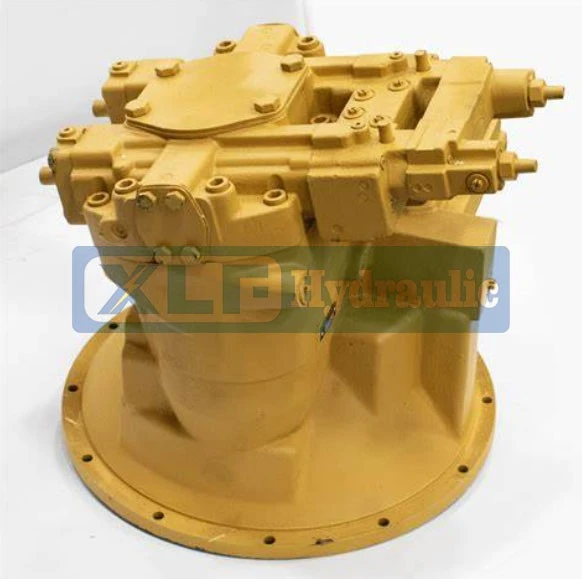
To address this issue, the company consulted with our team of experts, who recommended replacing the existing pump with a Rexroth A8VO Best Variable Speed Pump Used in Various Excavators. This pump was specifically designed to operate at variable viscosities and had a variable speed control system, which helped to optimize pump performance and efficiency in different viscosity conditions.
After installing the new pump, the company noticed a significant improvement in pump performance. The pump was able to operate more consistently and efficiently, resulting in reduced downtime and improved productivity.
Conclusion
In conclusion, fluid viscosity is a critical factor that can have a significant impact on the efficiency of axial piston pumps. By understanding the relationship between fluid viscosity and pump performance and taking steps to optimize pump efficiency in different viscosity conditions, you can reduce energy consumption, lower operating costs, and improve the reliability and lifespan of your axial piston pumps.
If you are looking for high-quality axial piston pumps that are designed to operate efficiently in different viscosity conditions, please contact us today. Our team of experts will be happy to help you select the right pump for your application and provide you with the support and service you need to ensure its long-term performance and reliability.
References
- Hydraulic Pumps and Motors Handbook, Second Edition, by Heinz P. Bloch and Fred K. Geitner
- Fluid Power Engineering, by Anthony Esposito
- Axial Piston Pumps: Design, Analysis, and Applications, by John F. Dwyer