Hey there! I'm a supplier of the Linde series, and today I wanna chat about the energy consumption of these awesome products. The Linde series is well - known in the industry for its high - quality hydraulic components, and understanding its energy consumption is crucial for both us suppliers and the end - users.
First off, let's talk about what affects the energy consumption of the Linde series. One of the main factors is the type of application. Different applications require different levels of power and torque from the hydraulic systems. For example, in heavy - duty construction equipment, the Linde components need to work hard to lift heavy loads and perform strenuous tasks. This means they consume more energy compared to when they are used in lighter applications like small - scale material handling.
The efficiency of the components themselves also plays a huge role. Linde is known for its advanced engineering, and their products are designed to be as energy - efficient as possible. But still, factors like internal leakage, friction, and the quality of the hydraulic fluid can impact how much energy the system uses. If there's a lot of internal leakage in a Linde piston pump, for instance, the pump has to work harder to maintain the required pressure, which leads to increased energy consumption.
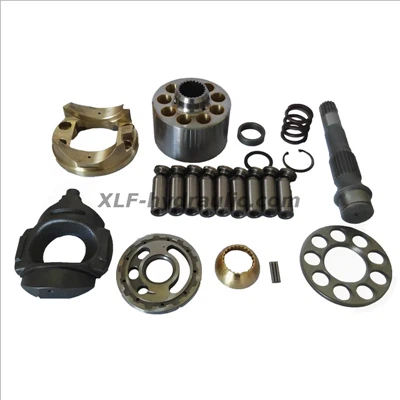
Let's take a look at some specific products in the Linde series. The BMF35 Hydraulic Motor Parts With Linde Piston Pump Hydraulic Pump Spares are quite popular. These parts are designed to work together seamlessly to provide reliable hydraulic power. When it comes to energy consumption, the design of the BMF35 hydraulic motor focuses on minimizing losses. The precision - engineered pistons and the optimized internal flow paths help to reduce the amount of energy wasted as heat or through leakage. However, the actual energy consumption can vary depending on the load and the operating conditions. If the motor is running at a high - speed and under a heavy load, it will naturally consume more energy than when it's operating at a lower speed and lighter load.
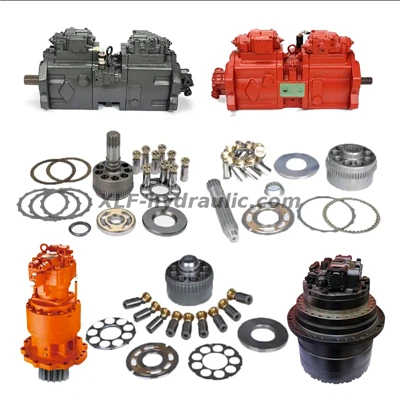
Another important product is the Linde HPV Pump Parts Series Hydraulic Axial Piston Pump Hydraulic Pump Accessories. Axial piston pumps are known for their high - pressure capabilities and relatively good energy efficiency. The Linde HPV series takes this a step further with advanced control systems. These control systems can adjust the pump's displacement according to the actual demand, which helps to save energy. For example, when the system doesn't need a high flow rate, the pump can reduce its displacement, and thus consume less energy. But again, if the pump is not properly maintained, or if it's operating in a harsh environment with dirty hydraulic fluid, the energy consumption can increase.
The Factory Supply HMF160 Swash Plate Hydraulic Motor Hydraulic Pump Accessories is also an interesting part of the Linde series. Swash plate hydraulic motors are known for their smooth operation and relatively good power - to - weight ratio. The HMF160 is designed with features that help to optimize energy consumption. The swash plate design allows for a more efficient transfer of power from the hydraulic fluid to the output shaft. However, just like other components, factors like the viscosity of the hydraulic fluid and the alignment of the internal components can affect how much energy it uses.
To measure the energy consumption of the Linde series products accurately, we usually rely on some key parameters. Flow rate is one of them. The amount of hydraulic fluid flowing through the system per unit of time gives us an idea of how much work the system is doing. A higher flow rate generally means more energy is being consumed, especially if the pressure is also high. Pressure is another important parameter. The pressure in the hydraulic system determines the force that can be exerted by the components. Maintaining a high pressure requires more energy, and fluctuations in pressure can also lead to increased energy consumption.
We can also use energy - monitoring devices to get real - time data on the energy consumption of the Linde series components. These devices can measure the electrical power input to the hydraulic pumps (if they are electrically driven) or the fuel consumption if they are part of a combustion - engine - powered system. By analyzing this data, we can identify any inefficiencies in the system and take steps to improve them.
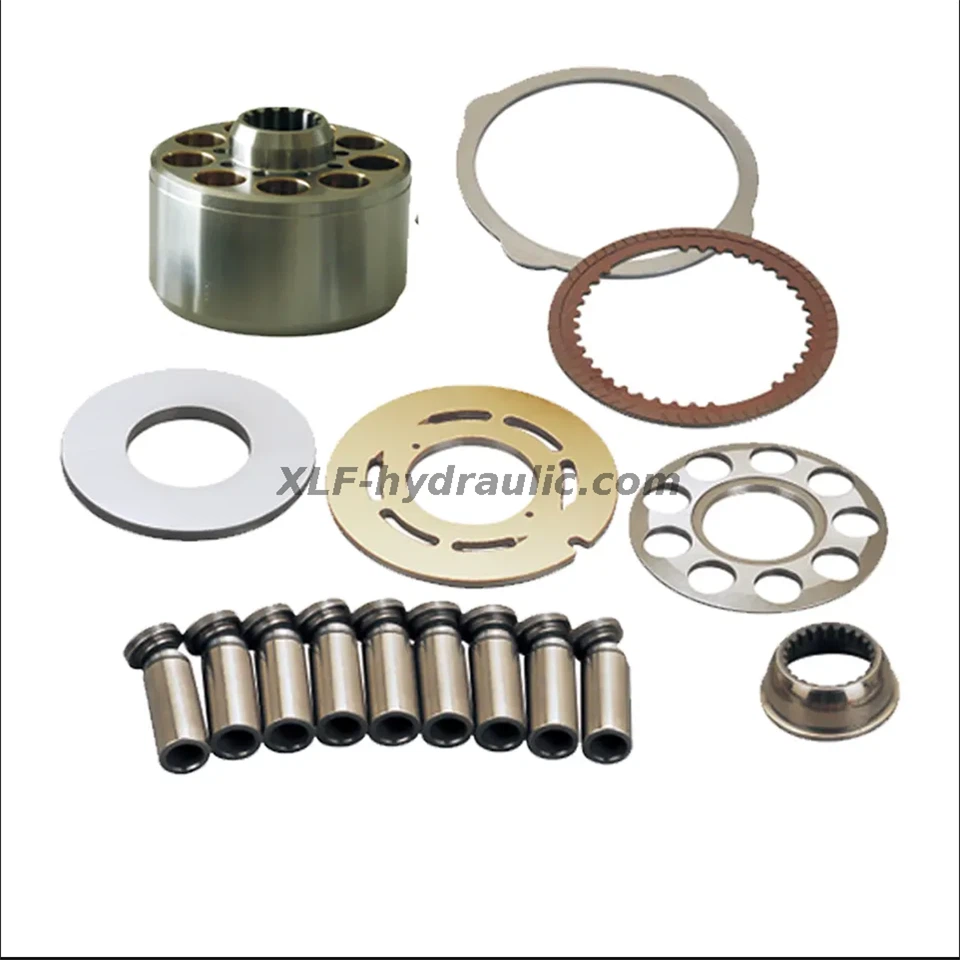

Now, let's talk about how we can reduce the energy consumption of the Linde series. Regular maintenance is key. This includes checking and replacing the hydraulic fluid at the recommended intervals. Old or dirty hydraulic fluid can increase friction and internal leakage, which in turn raises energy consumption. We also need to inspect the components for any signs of wear and tear, such as damaged seals or worn - out pistons. Replacing these parts in a timely manner can prevent further energy losses.
Proper system design is also important. When integrating Linde series components into a hydraulic system, we need to make sure that the components are sized correctly for the application. An oversized pump or motor will consume more energy than necessary, while an undersized one may not be able to perform the required tasks efficiently.
If you're in the market for Linde series products and are worried about energy consumption, don't hesitate to reach out. We have a team of experts who can help you choose the right components for your specific application and provide you with advice on how to optimize their energy use. Whether you're involved in construction, agriculture, or any other industry that uses hydraulic systems, we can work with you to ensure that you get the most energy - efficient solution possible. So, if you're interested in purchasing Linde series products or want to know more about their energy consumption, feel free to start a conversation with us. We're here to help you make the best decisions for your business.
References
- Hydraulic Systems Handbook, various authors
- Linde Hydraulics Product Manuals