Hey there! As a hydraulic pump supplier, I often get asked about the displacement of a hydraulic pump. So, let's dig into it and break it down in simple terms.
What the Heck is Hydraulic Pump Displacement?
First things first, the displacement of a hydraulic pump is basically how much fluid it can move in one full rotation. Think of it like a water pitcher. If you have a small pitcher, you can only carry a little bit of water each time you fill it up. But if you have a big pitcher, you can carry a whole bunch. It's the same idea with hydraulic pumps.
A pump with a large displacement can move a lot of hydraulic fluid in one turn of its shaft. On the other hand, a pump with a small displacement moves less fluid per rotation. This displacement is usually measured in cubic inches per revolution (in³/rev) or cubic centimeters per revolution (cm³/rev).
Why Does Displacement Matter?
Now, you might be wondering why displacement is such a big deal. Well, it has a huge impact on how the hydraulic system works. The displacement directly affects the flow rate of the hydraulic fluid. Flow rate is how much fluid passes through a certain point in the system in a given amount of time, usually measured in gallons per minute (GPM) or liters per minute (LPM).
If you have a high - displacement pump, it can provide a high flow rate. This is great for applications where you need to move a large amount of fluid quickly, like in heavy - duty construction equipment. For example, a large excavator needs to move its arms and buckets fast, so it often uses a high - displacement hydraulic pump.
On the flip side, a low - displacement pump is better for applications where you need more precision and less flow. Take a small robotic arm in a factory. It needs to move slowly and precisely, so a low - displacement pump would be a better fit.
Types of Hydraulic Pumps and Their Displacement
There are different types of hydraulic pumps, and each type can have different displacement characteristics.
Gear Pumps
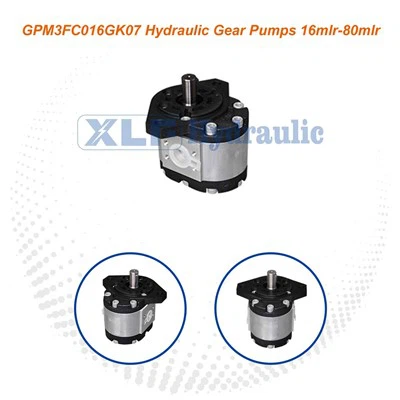
Gear pumps are one of the simplest types of hydraulic pumps. They have a fixed displacement, which means the amount of fluid they move per revolution is always the same. Gear pumps are great for small - to medium - sized applications where a constant flow rate is needed. They're also relatively inexpensive and easy to maintain.
Vane Pumps
Vane pumps can have either fixed or variable displacement. Fixed - displacement vane pumps work like gear pumps, with a set amount of fluid moved per rotation. Variable - displacement vane pumps, however, can change their displacement. This is really useful because it allows the pump to adjust the flow rate based on the needs of the hydraulic system. For example, if the system doesn't need as much fluid at a certain time, the pump can reduce its displacement.
Piston Pumps
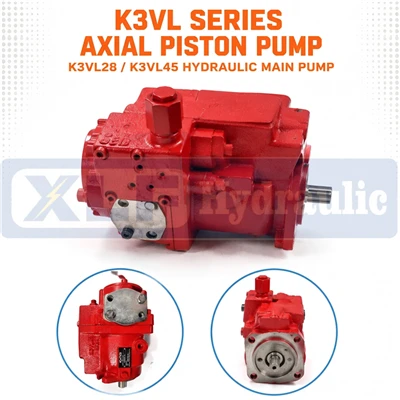
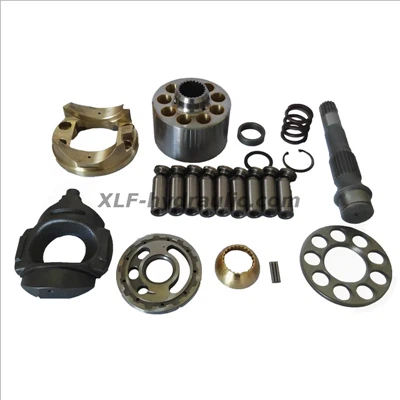
Piston pumps are often used in high - pressure applications. They can also be either fixed or variable displacement. Variable - displacement piston pumps are very versatile. They can provide high flow rates when needed and then reduce the flow and increase the pressure for more precise operations.
How to Choose the Right Displacement
When you're in the market for a hydraulic pump, choosing the right displacement is crucial. You need to consider the requirements of your hydraulic system.
First, think about the flow rate you need. If you're working on a project that requires fast movement, like a large agricultural harvester, you'll need a pump with a high displacement. But if you're dealing with a system that needs slow and accurate movements, such as a medical device, a low - displacement pump is the way to go.
You also need to consider the pressure requirements. High - displacement pumps can sometimes struggle to maintain high pressures. So, if your system needs high pressure, you might need to balance the displacement with other factors.
Our Hydraulic Pump Offerings
At our company, we offer a wide range of hydraulic pumps with different displacements to meet your specific needs. Whether you're looking for a high - displacement pump for heavy - duty applications or a low - displacement pump for precision work, we've got you covered.
For example, we have the 11173097 Aftermarket Volvo Replacement Pumps & Fan Motor & Parts | High - Efficiency & Precise - Fit. This pump is designed to provide a great balance of displacement and efficiency, making it suitable for a variety of Volvo equipment.
Another great option is the 11713293 Aftermarket Volvo Replacement Pumps & Fan Motor & Parts | Premium - Quality & Perfect - Fit. It offers high - quality performance with a displacement that can handle demanding tasks.
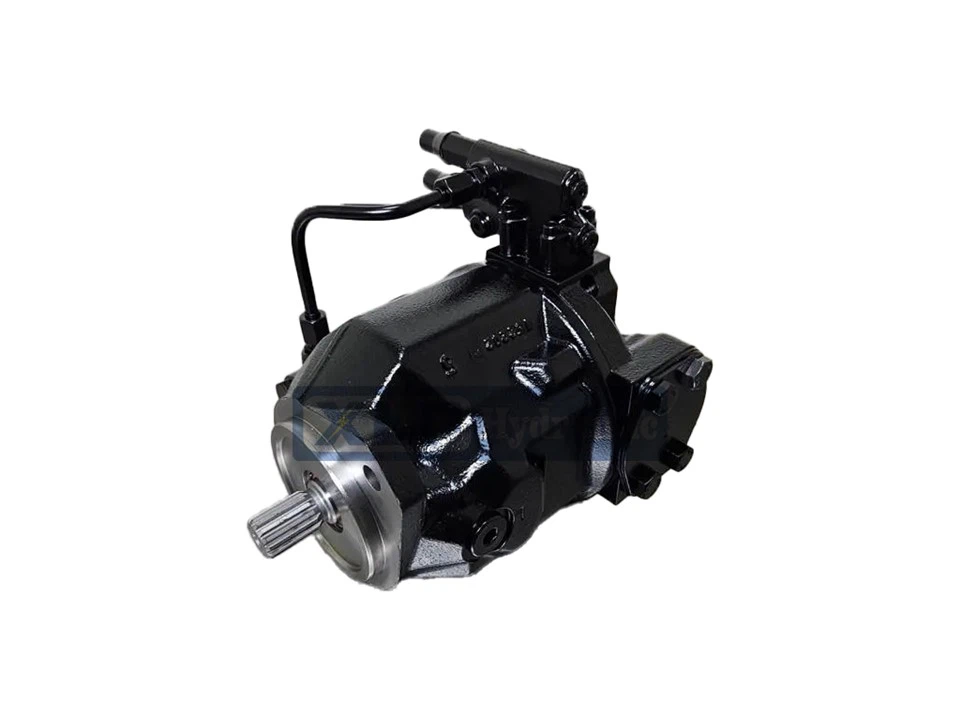
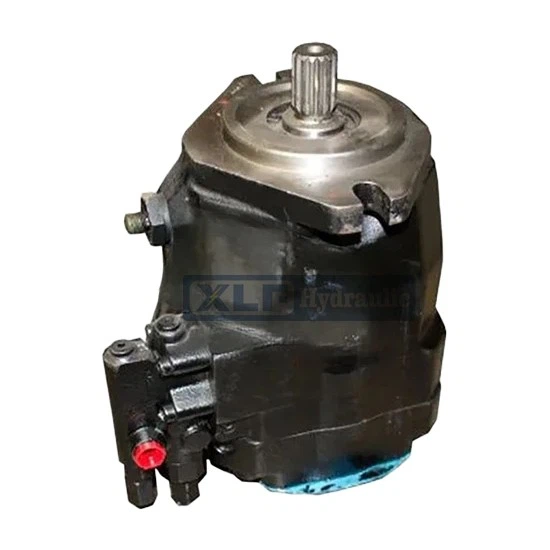
And if you need a pump that runs steadily and matches your system perfectly, check out the 11064879 Aftermarket Volvo Replacement Pumps & Fan Motor & Parts | Steady - Running & Perfect - Match.
Contact Us for Your Hydraulic Pump Needs
If you're still not sure which displacement is right for your hydraulic system, don't worry. Our team of experts is here to help. We can answer all your questions and guide you through the process of choosing the perfect pump.
Whether you're a small - scale manufacturer or a large construction company, we have the hydraulic pumps you need. So, if you're interested in our products or want to discuss your requirements further, don't hesitate to reach out. We're looking forward to working with you to find the best hydraulic pump solution for your business.
References
- "Hydraulic Systems and Fluid Power: Theory and Applications" by Arthur R. Slocum
- "Fluid Power with Applications" by Anthony Esposito