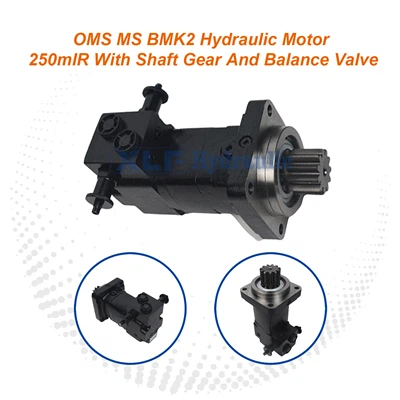
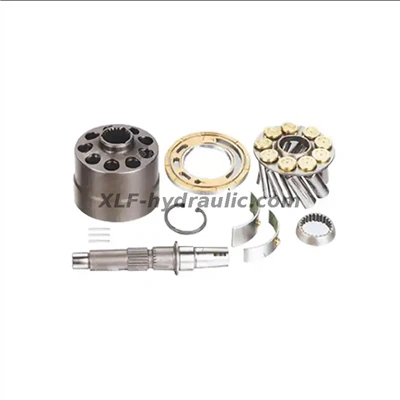
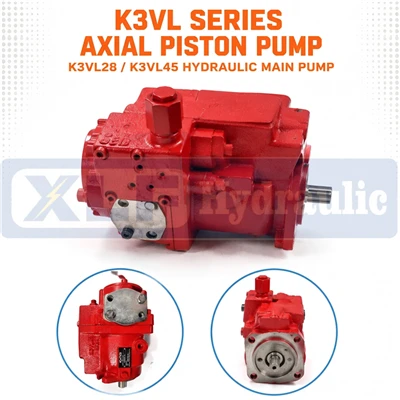
When it comes to small vane pumps, the housing materials play a pivotal role in determining the pump's performance, durability, and overall efficiency. As a trusted small vane pump supplier, I've witnessed firsthand how the right housing materials can make a significant difference in the functionality of these essential devices. In this blog post, I'll delve into the various materials used for the housing of small vane pumps, exploring their properties, advantages, and applications.
1. Cast Iron
Cast iron is one of the most traditional and widely used materials for small vane pump housings. It offers several key advantages that make it a popular choice in the industry.
Properties
- High Strength: Cast iron has excellent mechanical strength, which allows it to withstand high pressures and forces without deforming. This is crucial for small vane pumps, as they often operate under demanding conditions.
- Good Wear Resistance: The hard surface of cast iron provides good resistance to wear and abrasion. This helps to ensure a long service life for the pump housing, even when it is exposed to abrasive fluids or particles.
- Damping Properties: Cast iron has natural damping properties, which can help to reduce vibration and noise during pump operation. This is beneficial for applications where a quiet working environment is required.
Applications
Cast iron housing small vane pumps are commonly used in industrial applications such as hydraulic systems for machinery, automotive power steering systems, and agricultural equipment. For example, in a hydraulic press, the high strength of cast iron housing can withstand the high pressures generated during the pressing process.
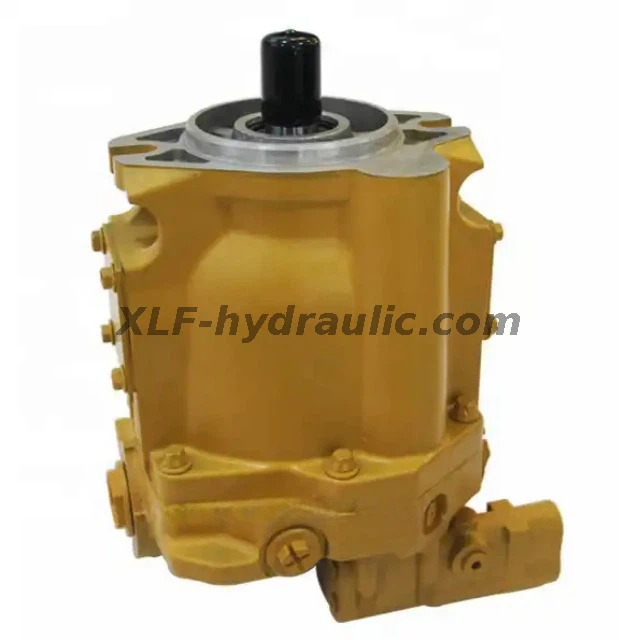
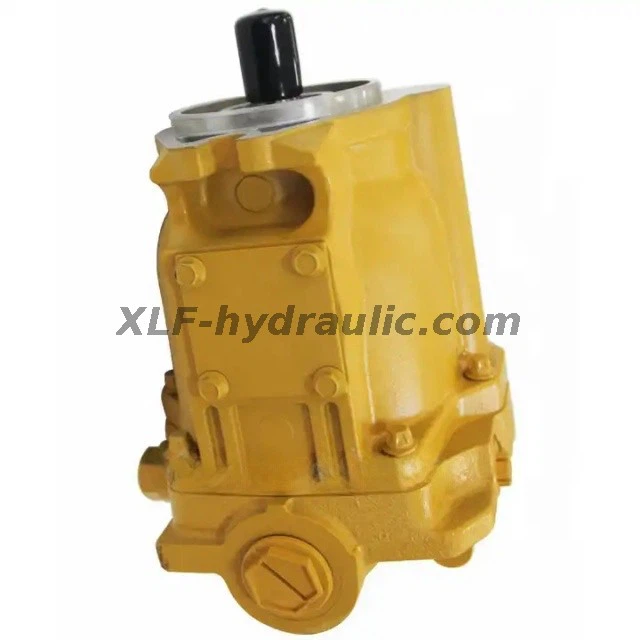
You can check out our related products like the CAT 130 6225 Series Swash Plate Type Vane Group Pump for Eqipment, which often features a cast iron housing for its reliable performance.
2. Aluminum Alloy
In recent years, aluminum alloy has gained popularity as a housing material for small vane pumps, especially in applications where weight reduction is a priority.
Properties
- Lightweight: Aluminum alloy is much lighter than cast iron, which makes it ideal for applications where the weight of the pump is a concern. This can be particularly important in mobile equipment such as aircraft, trucks, and construction machinery.
- Good Corrosion Resistance: Aluminum alloy has a natural oxide layer on its surface, which provides good resistance to corrosion. This makes it suitable for use in environments where the pump may be exposed to moisture or corrosive substances.
- High Thermal Conductivity: Aluminum alloy has high thermal conductivity, which means it can dissipate heat more effectively than cast iron. This helps to prevent overheating of the pump, which can extend its service life.
Applications
Small vane pumps with aluminum alloy housings are commonly used in automotive applications, such as fuel injection pumps and hydraulic brake systems. They are also popular in aerospace applications, where weight reduction is critical for improving fuel efficiency and performance. Another example is in portable hydraulic tools, where the lightweight housing makes the tools easier to handle.
Our JRRS Danfoss Pump Original Series 45 Hydraulic Pumps often utilize aluminum alloy housings to meet the requirements of modern applications.
3. Stainless Steel
Stainless steel is a premium choice for small vane pump housings, especially in applications where corrosion resistance and hygiene are of utmost importance.
Properties
- Excellent Corrosion Resistance: Stainless steel is highly resistant to corrosion, even in harsh environments. This makes it suitable for use in applications where the pump may be exposed to chemicals, saltwater, or other corrosive substances.
- Hygienic: Stainless steel is non - porous and easy to clean, which makes it an ideal material for applications in the food and beverage, pharmaceutical, and medical industries.
- High Strength: Stainless steel has high mechanical strength, which allows it to withstand high pressures and forces.
Applications
Small vane pumps with stainless steel housings are commonly used in chemical processing plants, food and beverage processing industries, and marine applications. For instance, in a food processing plant, a stainless - steel housing pump can ensure that the pumped fluid remains uncontaminated.
We also offer products like the Atos PFE Series Hydraulic Rotary Piston Flow Meter Pump for Bulldozers and Atos PFED Series Hydraulic Single Reciprocating Pump Piston For Trucks, which may have stainless - steel components for enhanced durability and performance.
4. Plastic
Plastic is an alternative material that is increasingly being used for the housing of small vane pumps, especially in low - pressure and non - critical applications.
Properties
- Lightweight: Like aluminum alloy, plastic is lightweight, which makes it easy to handle and install.
- Low Cost: Plastic is generally less expensive than metal materials, which can help to reduce the overall cost of the pump.
- Chemical Resistance: Some plastics have good chemical resistance, which allows them to be used in applications where the pump may be exposed to certain chemicals.
Applications
Plastic - housed small vane pumps are commonly used in household appliances, such as water pumps for washing machines and dishwashers. They are also used in some low - pressure industrial applications, such as small - scale water treatment systems.
Considerations for Material Selection
When selecting the housing material for a small vane pump, several factors need to be considered:
- Operating Conditions: The pressure, temperature, and the nature of the fluid being pumped all play a role in determining the appropriate housing material. For example, if the pump is going to be used in a high - temperature environment, a material with good heat resistance, such as stainless steel, may be required.
- Cost: The cost of the material can be a significant factor, especially for large - scale production. While materials like stainless steel offer excellent performance, they are also more expensive than cast iron or plastic.
- Weight: In applications where weight is a critical factor, such as in aerospace or mobile equipment, lightweight materials like aluminum alloy or plastic may be preferred.
- Corrosion and Wear Resistance: If the pump is going to be exposed to corrosive substances or abrasive particles, a material with good corrosion and wear resistance, such as stainless steel or cast iron, should be chosen.
Conclusion
The choice of housing material for a small vane pump is a critical decision that can have a significant impact on the pump's performance, durability, and cost. As a small vane pump supplier, I understand the importance of selecting the right material for each application. Whether it's the traditional strength of cast iron, the lightweight advantage of aluminum alloy, the corrosion resistance of stainless steel, or the cost - effectiveness of plastic, each material has its own unique properties and applications.
If you are in the market for a small vane pump or need advice on the right housing material for your specific application, I encourage you to contact us. Our team of experts is always ready to assist you in making the best choice for your needs. We offer a wide range of high - quality small vane pumps, including our BMH Orbit Hydraulic Motor - LSHT (Low Speed High Torque) For Concrete Pump Mixer and other related products. Let's start a conversation about your requirements and find the perfect solution together.
References
- "Hydraulic Pumps: Principles, Design, and Applications" by Smith, J. and Johnson, R.
- "Materials Science and Engineering: An Introduction" by Callister, W. D. and Rethwisch, D. G.