Hey there! As a supplier of radial cylinder pumps, I've seen my fair share of issues when it comes to these nifty pieces of equipment. In this blog, I'm gonna walk you through how to troubleshoot a radial cylinder pump. Whether you're a newbie in the field or a seasoned pro, these tips should come in handy.
Understanding the Basics of a Radial Cylinder Pump
Before we jump into troubleshooting, let's quickly go over what a radial cylinder pump is. A radial cylinder pump is a type of hydraulic pump that uses pistons arranged radially around a central shaft. These pumps are known for their high efficiency, reliability, and ability to handle high pressures. They're commonly used in a variety of applications, from industrial machinery to construction equipment.
Common Problems and How to Fix Them
1. Low Flow or Pressure
One of the most common issues you might encounter with a radial cylinder pump is low flow or pressure. This can be caused by a number of factors, including:
- Clogged Filters: Over time, filters can become clogged with dirt, debris, and other contaminants. This restricts the flow of hydraulic fluid, leading to low flow or pressure. To fix this, simply replace the clogged filters. Make sure to use high-quality filters that are compatible with your pump.
- Worn Seals or O - Rings: Seals and O - rings are essential for preventing hydraulic fluid from leaking out of the pump. If these components are worn or damaged, fluid can leak, resulting in low pressure. Inspect the seals and O - rings regularly and replace them if necessary.
- Cavitation: Cavitation occurs when the pressure in the hydraulic fluid drops below its vapor pressure, causing bubbles to form. These bubbles can collapse, causing damage to the pump components and reducing flow and pressure. To prevent cavitation, make sure the pump is properly primed and that the hydraulic fluid level is maintained. You may also need to check the suction line for any restrictions.
2. Noise and Vibration
Excessive noise and vibration can be a sign of a problem with your radial cylinder pump. Here are some possible causes and solutions:
- Misaligned Shaft: If the pump shaft is misaligned, it can cause the pump to vibrate and make noise. Check the alignment of the shaft and adjust it if necessary. You may need to use a laser alignment tool for accurate results.
- Loose Mounting Bolts: Loose mounting bolts can also cause vibration and noise. Inspect the mounting bolts and tighten them to the recommended torque specification.
- Worn Bearings: Worn bearings can cause the pump to make a grinding or whining noise. Replace the worn bearings as soon as possible to prevent further damage to the pump.
3. Overheating
Overheating is another common problem that can affect the performance and lifespan of your radial cylinder pump. Here's what could be causing it and how to fix it:
- Excessive Load: If the pump is operating under a heavy load for an extended period of time, it can overheat. Make sure the pump is properly sized for the application and that it's not being overworked. You may need to reduce the load or increase the cooling capacity of the system.
- Low Hydraulic Fluid Level: A low hydraulic fluid level can cause the pump to overheat because there isn't enough fluid to carry away the heat. Check the fluid level regularly and top it up if necessary.
- Dirty Cooler: If the cooler is dirty or clogged, it can't effectively dissipate heat. Clean the cooler regularly to ensure proper heat transfer.
Checking the Pump Components
When troubleshooting a radial cylinder pump, it's important to check the individual components for signs of wear or damage. Here are some key components to inspect:


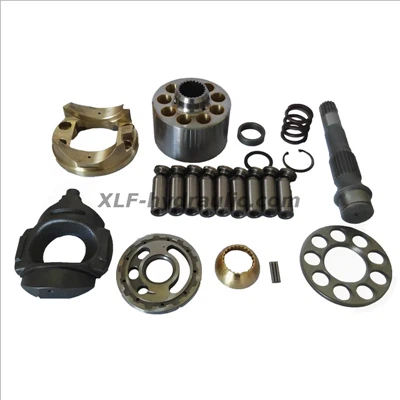
- Pistons and Cylinders: Inspect the pistons and cylinders for signs of scoring, wear, or damage. If the pistons are worn, they may not seal properly, leading to low flow or pressure. Replace any damaged pistons or cylinders.
- Valves: Check the valves for proper operation. Make sure they're opening and closing correctly and that there are no leaks. If a valve is malfunctioning, it can affect the pump's performance. Replace the faulty valve.
- Drive Shaft: The drive shaft should be straight and free of any cracks or damage. A damaged drive shaft can cause the pump to vibrate and not operate properly. If the drive shaft is damaged, replace it.
Using the Right Tools and Equipment
To effectively troubleshoot a radial cylinder pump, you'll need the right tools and equipment. Here are some essential tools:
- Pressure Gauge: A pressure gauge is used to measure the pressure of the hydraulic fluid in the pump. This helps you determine if the pump is operating at the correct pressure.
- Flow Meter: A flow meter measures the flow rate of the hydraulic fluid. It can help you identify if there are any flow issues with the pump.
- Vibration Analyzer: A vibration analyzer can detect excessive vibration in the pump, which can indicate a problem with the alignment, bearings, or other components.
Recommended Products
If you're in the market for high - quality hydraulic pumps, we've got some great options. Check out these products:
- GPM 2FC004FT06 Hydraulic Small Hydraulic Piston Pump for Crawler Bulldozers: This pump is perfect for crawler bulldozers and offers excellent performance and reliability.
- CAT 3G7638 Hydraulic Axial Vane Pump for Motor Grader 16G For CAT 3525VQ: Ideal for motor graders, this pump is designed to handle high pressures and provide smooth operation.
- Denison Hydraulic T7 Series Pompa Piston Axial For Industrial Machinery: This series of pumps is well - suited for industrial machinery and offers high efficiency and durability.
Conclusion
Troubleshooting a radial cylinder pump doesn't have to be a daunting task. By understanding the common problems, checking the components regularly, and using the right tools, you can keep your pump running smoothly and avoid costly downtime. If you have any questions or need further assistance with your radial cylinder pump, don't hesitate to reach out. We're here to help you with all your hydraulic pump needs. Whether you're looking to purchase a new pump or need parts for your existing one, we've got you covered. Contact us today to start a procurement discussion and find the best solution for your application.
References
- Hydraulic Pump Handbook, various industry publications
- Manufacturer's manuals for radial cylinder pumps