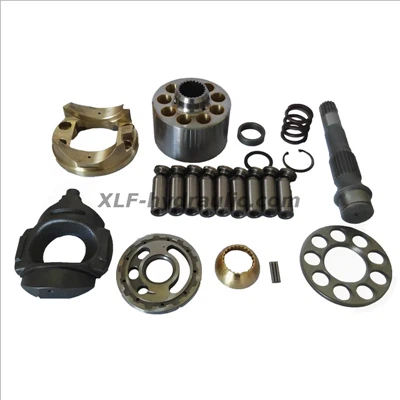
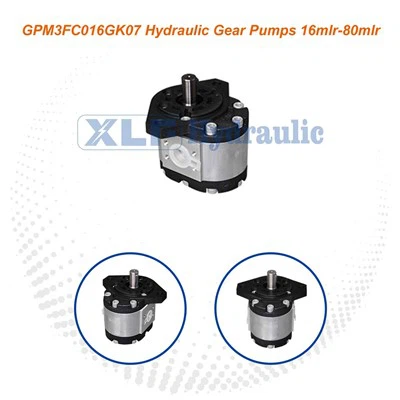
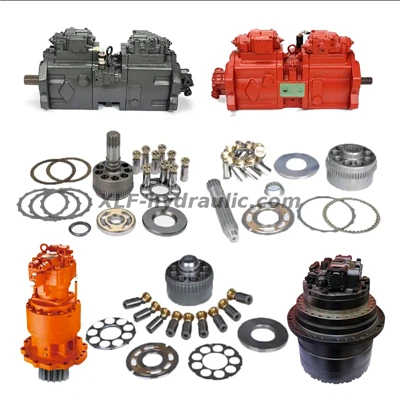
As a trusted twin piston pump supplier, I understand the critical role these pumps play in various industrial applications. Corrosion is a significant challenge that can compromise the performance and longevity of twin piston pumps. In this blog post, I will share some effective strategies to prevent corrosion in twin piston pumps, ensuring their optimal operation and durability.
Understanding Corrosion in Twin Piston Pumps
Corrosion is a natural process that occurs when metals react with their environment, leading to the deterioration of the material. In twin piston pumps, corrosion can be caused by a variety of factors, including exposure to moisture, chemicals, and abrasive particles. The presence of corrosion can lead to several problems, such as reduced pump efficiency, increased maintenance costs, and even pump failure.
Selecting the Right Materials
One of the most effective ways to prevent corrosion in twin piston pumps is to select the right materials for the pump components. When choosing materials, it is important to consider the specific operating conditions of the pump, such as the type of fluid being pumped, the temperature, and the pressure. Here are some materials that are commonly used in twin piston pumps and their corrosion resistance properties:
- Stainless Steel: Stainless steel is a popular choice for twin piston pump components due to its excellent corrosion resistance. It contains chromium, which forms a protective oxide layer on the surface of the metal, preventing corrosion. Stainless steel is suitable for applications where the pump is exposed to water, chemicals, or other corrosive substances.
- Aluminum: Aluminum is a lightweight and corrosion-resistant material that is commonly used in twin piston pumps. It forms a thin oxide layer on its surface, which provides protection against corrosion. However, aluminum is not suitable for applications where the pump is exposed to highly acidic or alkaline environments.
- Bronze: Bronze is an alloy of copper and tin that has good corrosion resistance and wear resistance. It is often used in twin piston pumps for its ability to withstand high pressures and temperatures. Bronze is suitable for applications where the pump is exposed to water, oil, or other non-corrosive fluids.
Applying Protective Coatings
In addition to selecting the right materials, applying protective coatings to the pump components can further enhance their corrosion resistance. Protective coatings act as a barrier between the metal surface and the corrosive environment, preventing direct contact and reducing the risk of corrosion. Here are some common types of protective coatings used in twin piston pumps:
- Epoxy Coatings: Epoxy coatings are a popular choice for twin piston pump components due to their excellent adhesion and corrosion resistance. They can be applied to the surface of the metal using a variety of methods, such as spraying, brushing, or dipping. Epoxy coatings are suitable for applications where the pump is exposed to water, chemicals, or other corrosive substances.
- Polyurethane Coatings: Polyurethane coatings are another type of protective coating that is commonly used in twin piston pumps. They have good abrasion resistance and flexibility, making them suitable for applications where the pump is exposed to high pressures and temperatures. Polyurethane coatings can be applied to the surface of the metal using a spray gun or a brush.
- Zinc Coatings: Zinc coatings, such as galvanizing, are often used to protect steel components from corrosion. Zinc is more reactive than steel, so it acts as a sacrificial anode, corroding in place of the steel. Zinc coatings are suitable for applications where the pump is exposed to water or other corrosive substances.
Maintaining Proper Fluid Conditions
The quality of the fluid being pumped can also have a significant impact on the corrosion resistance of twin piston pumps. Here are some tips for maintaining proper fluid conditions to prevent corrosion:
- Use Clean Fluids: Contaminated fluids can contain abrasive particles, chemicals, and other impurities that can cause corrosion. It is important to use clean fluids that are free from contaminants to prevent damage to the pump components.
- Monitor Fluid pH: The pH level of the fluid being pumped can affect the corrosion rate of the pump components. It is important to monitor the pH level of the fluid regularly and adjust it as needed to maintain a neutral or slightly alkaline pH.
- Control Fluid Temperature: High temperatures can accelerate the corrosion process. It is important to control the fluid temperature within the recommended range to prevent overheating and reduce the risk of corrosion.
Implementing Regular Maintenance
Regular maintenance is essential for preventing corrosion in twin piston pumps. Here are some maintenance tasks that should be performed regularly to keep the pump in good condition:
- Inspect the Pump Components: Regularly inspect the pump components for signs of corrosion, such as rust, pitting, or discoloration. If any signs of corrosion are detected, take immediate action to address the issue.
- Clean the Pump Components: Clean the pump components regularly to remove any dirt, debris, or contaminants that may be causing corrosion. Use a mild detergent and a soft brush to clean the components, and rinse them thoroughly with clean water.
- Lubricate the Pump Components: Lubrication is important for reducing friction and wear on the pump components. It also helps to prevent corrosion by providing a protective barrier between the metal surface and the fluid. Use a high-quality lubricant that is compatible with the pump components and the fluid being pumped.
Conclusion
Preventing corrosion in twin piston pumps is essential for ensuring their optimal performance and longevity. By selecting the right materials, applying protective coatings, maintaining proper fluid conditions, and implementing regular maintenance, you can significantly reduce the risk of corrosion and extend the life of your twin piston pump.


If you are interested in learning more about twin piston pumps or need assistance with preventing corrosion in your pumps, please feel free to contact us. We are a leading twin piston pump supplier with extensive experience in providing high-quality pumps and solutions to our customers. We can help you select the right pump for your application and provide you with the support and expertise you need to keep your pump running smoothly.
References
- Smith, J. (2019). Corrosion Prevention in Industrial Pumps. Industrial Pumps Journal, 25(3), 45-52.
- Johnson, R. (2020). Materials Selection for Corrosion Resistance in Pumps. Pump Technology Magazine, 30(2), 32-38.
- Brown, A. (2021). Maintenance Strategies for Preventing Corrosion in Pumps. Pump Maintenance and Repair, 15(4), 18-24.