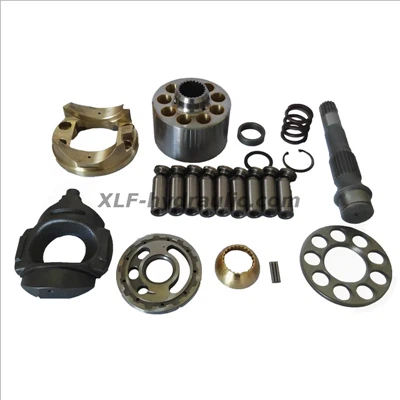
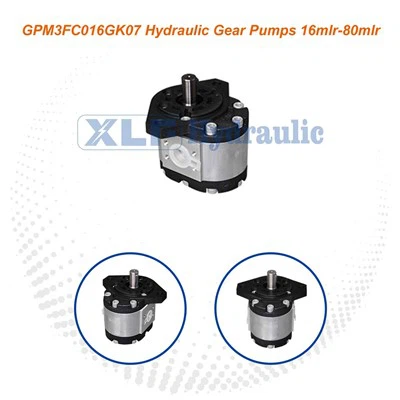
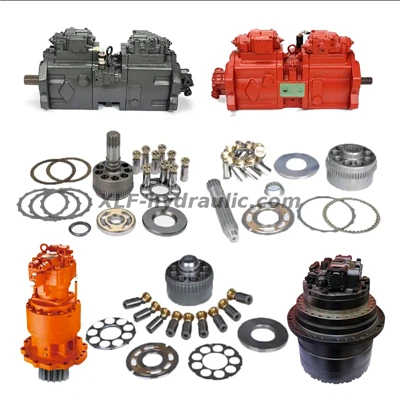
Cavitation in an axial piston motor can be a real pain in the neck. As an axial piston motor supplier, I've seen firsthand the damage it can cause. It not only shortens the lifespan of the motor but also reduces its efficiency, leading to higher costs and more downtime. So, today I'm gonna share some tips on how to prevent cavitation in an axial piston motor.
Understanding Cavitation
First things first, let's talk about what cavitation is. Cavitation occurs when the pressure in the hydraulic fluid drops below its vapor pressure, causing vapor bubbles to form. These bubbles then collapse when they reach a region of higher pressure, creating shock waves that can damage the internal components of the motor. You can think of it like tiny explosions happening inside the motor, wearing away at the surfaces and causing pitting, erosion, and even cracking.
Check the Fluid Level and Quality
One of the most common causes of cavitation is low fluid level. If the reservoir doesn't have enough hydraulic fluid, the pump can suck in air along with the fluid, leading to cavitation. So, make sure to regularly check the fluid level in the reservoir and top it up if necessary.
The quality of the hydraulic fluid is also crucial. Contaminated or degraded fluid can have a lower vapor pressure, making it more prone to cavitation. Use high - quality hydraulic fluid that meets the manufacturer's specifications, and change it at the recommended intervals. Also, install a good quality filter to remove any dirt, debris, or water from the fluid.
Monitor the Suction Line
The suction line is where the pump draws in the hydraulic fluid. If there are any restrictions or blockages in the suction line, it can cause a drop in pressure, leading to cavitation. Check the suction line for any kinks, bends, or clogs. Make sure the diameter of the suction line is large enough to allow a free flow of fluid. A common rule of thumb is that the suction line should be at least one size larger than the pump inlet.
Also, ensure that the suction line is properly sealed. Any leaks in the suction line can allow air to enter the system, which is a major cause of cavitation. You can use appropriate gaskets and seals to prevent air leakage.
Control the System Pressure
Operating the axial piston motor at excessive pressures can also lead to cavitation. The motor is designed to operate within a certain pressure range, and if you push it beyond that, it can cause problems. Make sure to set the system pressure according to the motor's specifications. Use pressure relief valves to prevent the pressure from exceeding the safe limit.
On the other hand, if the pressure is too low, it can also cause cavitation. So, it's important to maintain a stable and appropriate pressure in the system.
Consider the Temperature
Temperature plays a significant role in cavitation. As the temperature of the hydraulic fluid increases, its vapor pressure also increases, making it more likely to form vapor bubbles. Keep the hydraulic fluid at the recommended operating temperature. You can use a cooler to dissipate heat from the fluid if necessary.
Choose the Right Motor
When selecting an axial piston motor, make sure it is suitable for your application. Consider factors such as the required flow rate, pressure, and speed. Using an undersized motor can cause it to work harder, leading to higher pressures and a greater risk of cavitation.
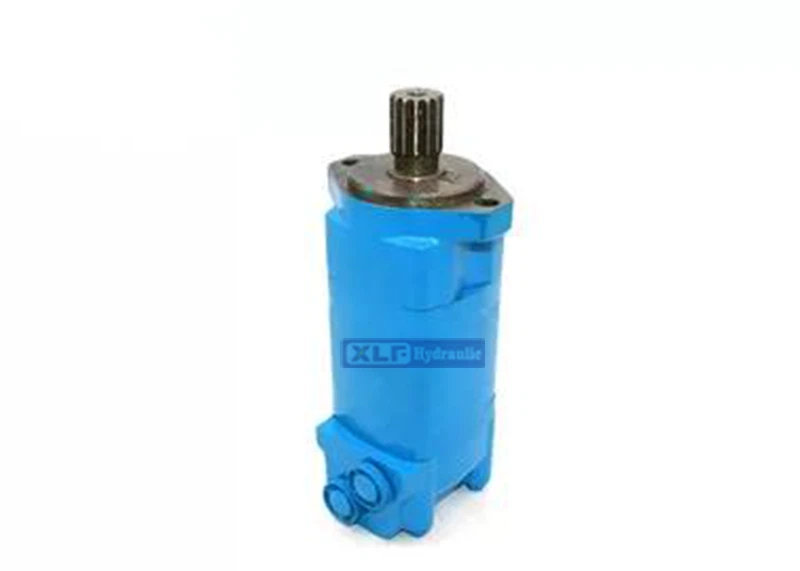
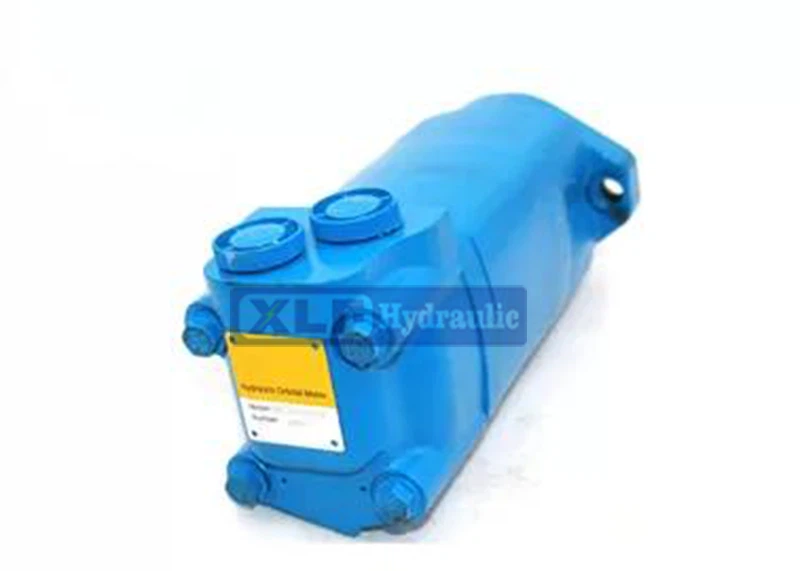
We offer a wide range of axial piston motors, such as the Eaton 104 - 3130 - 006 Torqmotor Hydraulic Motor - Replacement Standard 2 Bolt 31.75mm 14 Tooth 0.875 - 14 UNF - 2B SAE O - RING, the Parker BMJ - 295 - WDB Gerotor Motor - Replacement With 4 - Bolt Flange, G12 Port & 32mm Cylindrical Shaft, and the Eaton 6423 Hydraulic Axial Brushless Motor for Bulldozers. These motors are designed to operate efficiently and are less prone to cavitation when used correctly.
Regular Maintenance
Regular maintenance is key to preventing cavitation. In addition to checking the fluid level and quality, inspect the motor and the entire hydraulic system for any signs of wear or damage. Look for pitting, erosion, or other signs of cavitation on the internal components. Replace any worn - out parts promptly.
Training and Operator Awareness
Finally, make sure that the operators are trained to use the axial piston motor correctly. They should be aware of the signs of cavitation, such as unusual noises or vibrations, and know what to do if they suspect a problem. Proper operation and maintenance can go a long way in preventing cavitation.
Preventing cavitation in an axial piston motor requires a combination of proper installation, regular maintenance, and correct operation. By following these tips, you can extend the lifespan of your motor, improve its efficiency, and save money in the long run.
If you're in the market for a high - quality axial piston motor or need more advice on preventing cavitation, don't hesitate to reach out. We're here to help you find the best solution for your needs. Contact us to start a procurement discussion and get the most suitable axial piston motor for your application.
References
- Hydraulic Systems Handbook, various authors
- Manufacturer's manuals for axial piston motors