As a supplier of axial piston motors, I understand the critical role that effective cooling plays in the performance and longevity of these powerful devices. Axial piston motors are widely used in various industrial applications, including construction equipment, agricultural machinery, and marine vessels, where they convert hydraulic energy into mechanical power. However, the high-pressure and high-speed operation of these motors generate a significant amount of heat, which can lead to reduced efficiency, increased wear and tear, and even premature failure if not properly managed. In this blog post, I will share some practical tips and strategies on how to ensure effective cooling of an axial piston motor.
Understanding the Heat Generation Mechanism
Before we delve into the cooling methods, it is essential to understand how heat is generated in an axial piston motor. The primary sources of heat in these motors include:
Friction
Friction occurs between the moving parts of the motor, such as the pistons, cylinders, and valve plates. As these parts slide against each other, they generate heat due to the resistance to motion. The amount of friction depends on several factors, including the surface finish, lubrication, and operating conditions.
Viscous Heating
Viscous heating is caused by the internal friction of the hydraulic fluid as it flows through the motor. The fluid's viscosity determines the amount of resistance it offers to flow, and higher viscosity fluids generate more heat. Additionally, the flow rate and pressure of the fluid also affect the viscous heating.
Compression and Expansion
The compression and expansion of the hydraulic fluid within the motor also contribute to heat generation. When the fluid is compressed, its temperature increases, and when it expands, its temperature decreases. These temperature changes can cause thermal stress on the motor components and lead to premature failure.
Cooling Methods
To ensure effective cooling of an axial piston motor, several cooling methods can be employed. These methods can be broadly classified into two categories: external cooling and internal cooling.
External Cooling
External cooling methods involve the use of external devices to remove heat from the motor. The most common external cooling methods include:
Radiators
Radiators are heat exchangers that use air or water to cool the hydraulic fluid. The fluid is circulated through the radiator, where it transfers heat to the surrounding air or water. Radiators are commonly used in mobile applications, such as construction equipment and agricultural machinery, where space is limited.
Coolers
Coolers are similar to radiators but are typically used in stationary applications, such as industrial machinery and power plants. Coolers can be either air-cooled or water-cooled and are designed to provide efficient cooling of the hydraulic fluid.
Fans
Fans are used to increase the airflow over the motor and radiator, thereby enhancing the cooling efficiency. Fans can be either mechanical or electric and are typically controlled by a thermostat to maintain the desired temperature.
Internal Cooling
Internal cooling methods involve the use of the hydraulic fluid itself to cool the motor. The most common internal cooling methods include:
Oil Circulation
Oil circulation is the most basic internal cooling method. The hydraulic fluid is circulated through the motor to remove heat from the moving parts. The fluid is then returned to the reservoir, where it is cooled before being recirculated.
Water Cooling
Water cooling involves the use of a water jacket around the motor to remove heat. The water is circulated through the jacket, where it absorbs heat from the motor. Water cooling is more efficient than oil circulation but requires a separate water supply and cooling system.
Heat Pipes
Heat pipes are passive heat transfer devices that use a working fluid to transfer heat from one end of the pipe to the other. Heat pipes are commonly used in electronic devices and can also be used to cool axial piston motors. Heat pipes are highly efficient and can transfer large amounts of heat with minimal temperature difference.
Factors Affecting Cooling Efficiency
Several factors can affect the cooling efficiency of an axial piston motor. These factors include:
Operating Conditions
The operating conditions of the motor, such as the load, speed, and temperature, can significantly affect the cooling efficiency. Higher loads and speeds generate more heat, which requires more cooling capacity. Additionally, high ambient temperatures can reduce the effectiveness of the cooling system.
Hydraulic Fluid
The type and quality of the hydraulic fluid used in the motor can also affect the cooling efficiency. High-quality fluids with low viscosity and good thermal properties can help to reduce heat generation and improve cooling efficiency. Additionally, the fluid level and cleanliness should be regularly checked to ensure proper operation of the cooling system.
Cooling System Design
The design of the cooling system, including the size and capacity of the radiator or cooler, the airflow rate, and the coolant flow rate, can also affect the cooling efficiency. A well-designed cooling system should be able to remove heat from the motor at a rate that matches the heat generation rate.
Tips for Ensuring Effective Cooling
To ensure effective cooling of an axial piston motor, the following tips should be followed:
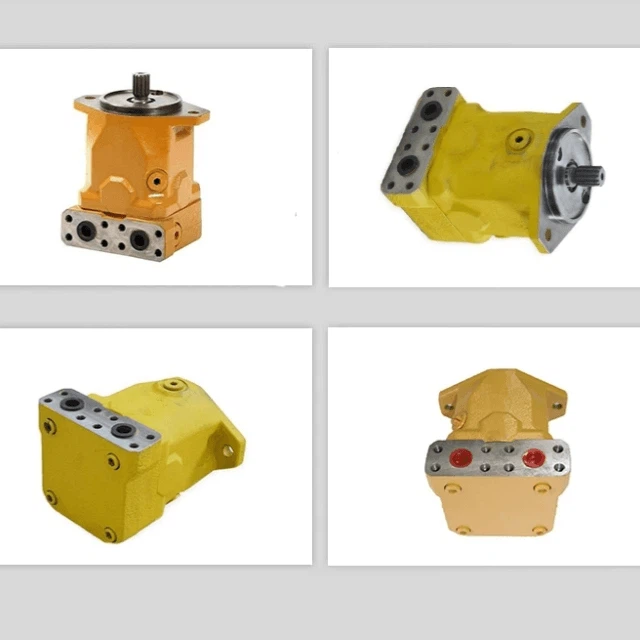
Choose the Right Cooling Method
The choice of cooling method depends on several factors, including the application, operating conditions, and available space. For mobile applications, radiators and fans are commonly used, while for stationary applications, coolers and water cooling systems are more suitable.
Maintain the Cooling System
Regular maintenance of the cooling system is essential to ensure its proper operation. This includes checking the fluid level and cleanliness, inspecting the radiator or cooler for damage or blockages, and ensuring that the fans and pumps are working correctly.
Monitor the Temperature
Monitoring the temperature of the motor and the hydraulic fluid is crucial to detect any potential cooling problems. Temperature sensors can be installed on the motor and the fluid reservoir to provide real-time temperature readings. If the temperature exceeds the recommended range, the cooling system should be checked and adjusted accordingly.
Use High-Quality Hydraulic Fluid
Using high-quality hydraulic fluid with low viscosity and good thermal properties can help to reduce heat generation and improve cooling efficiency. The fluid should be changed regularly according to the manufacturer's recommendations to ensure its proper performance.
Consider the Operating Conditions
The operating conditions of the motor, such as the load, speed, and temperature, should be carefully considered when designing and operating the cooling system. Higher loads and speeds require more cooling capacity, and high ambient temperatures can reduce the effectiveness of the cooling system. Therefore, the cooling system should be designed to handle the worst-case operating conditions.
Conclusion
Effective cooling is essential for the performance and longevity of an axial piston motor. By understanding the heat generation mechanism, choosing the right cooling method, maintaining the cooling system, monitoring the temperature, using high-quality hydraulic fluid, and considering the operating conditions, you can ensure that your axial piston motor operates at optimal efficiency and reliability.
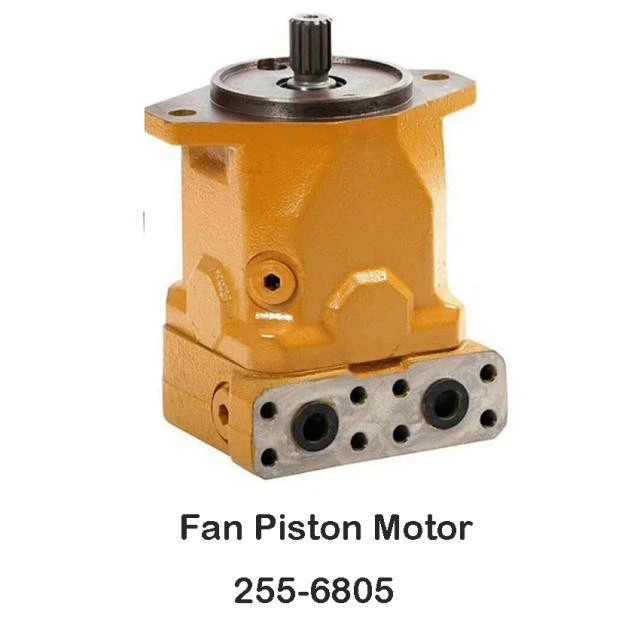
If you are interested in purchasing axial piston motors or need more information about cooling systems, please feel free to contact us for a consultation. We offer a wide range of axial piston motors, including the AMC-30A-M2 Special Hydraulic Motor for Keeling Cranes On Ships, CAT 255-6805 Piston Type Hydraulic Motor 2556805 Axial Hydraulic Motor, and Parker Series F12 Hydrulic Bldc Axial Motor for Wheeled Tractor. Our team of experts will be happy to assist you in finding the right motor and cooling solution for your application.
References
- "Hydraulic Piston Motors: Principles, Applications, and Maintenance." Hydraulics & Pneumatics, 2023.
- "Cooling Systems for Hydraulic Motors." Machinery Lubrication, 2022.
- "Axial Piston Motor Design and Performance." Fluid Power Journal, 2021.