As a trusted supplier of the Komatsu series, I've witnessed firsthand the remarkable engineering and innovation behind these heavy - duty machines. One of the most critical aspects of their performance is heat dissipation. In this blog, I'll delve into how the Komatsu series effectively manages heat, ensuring optimal operation and longevity.
The Importance of Heat Dissipation in Komatsu Equipment
Komatsu machines, such as excavators, bulldozers, and loaders, are designed to operate under extreme conditions, often for extended periods. During operation, various components generate a significant amount of heat. Engines, hydraulic systems, and electrical components are the primary heat sources. If not properly managed, excessive heat can lead to a multitude of problems, including reduced efficiency, component wear, and even system failures.
For instance, high temperatures can cause the viscosity of hydraulic fluids to decrease. This reduction in viscosity can lead to internal leakage within the hydraulic system, reducing the overall power and responsiveness of the machine. In engines, overheating can cause cylinder head warping, piston ring damage, and premature wear of engine bearings. Therefore, effective heat dissipation is crucial for maintaining the reliability and performance of Komatsu equipment.
Heat Dissipation Mechanisms in Komatsu Series
Cooling Systems in Engines
Komatsu engines are equipped with advanced cooling systems to regulate their temperature. The most common type is the liquid - cooling system. This system consists of a radiator, water pump, thermostat, and coolant passages within the engine block and cylinder head.
The water pump circulates the coolant (usually a mixture of water and antifreeze) through the engine. As the coolant absorbs heat from the engine components, it flows to the radiator. The radiator, which is typically located at the front of the machine, has a large surface area with a network of thin tubes and fins. Air flowing through the radiator cools the hot coolant, transferring the heat to the surrounding environment.
The thermostat plays a vital role in this process. It regulates the flow of coolant based on the engine's temperature. When the engine is cold, the thermostat restricts the flow of coolant, allowing the engine to reach its optimal operating temperature quickly. Once the engine reaches the appropriate temperature, the thermostat opens, allowing the coolant to circulate through the radiator for cooling.
Hydraulic System Cooling
Hydraulic systems in Komatsu equipment are another major source of heat. These systems use hydraulic pumps, motors, and valves to transfer power and control the movement of various machine components. To dissipate the heat generated in the hydraulic system, Komatsu uses a combination of oil coolers and heat exchangers.
Oil coolers are similar in design to radiators. They are typically located near the hydraulic reservoir. As the hot hydraulic oil passes through the cooler, air or coolant flowing over the cooler's fins removes the heat from the oil. Heat exchangers, on the other hand, transfer heat between the hydraulic oil and another fluid, such as engine coolant. This method is more efficient in some cases, as it can use the existing cooling infrastructure of the engine.
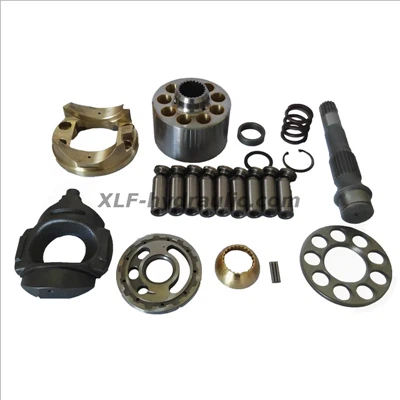
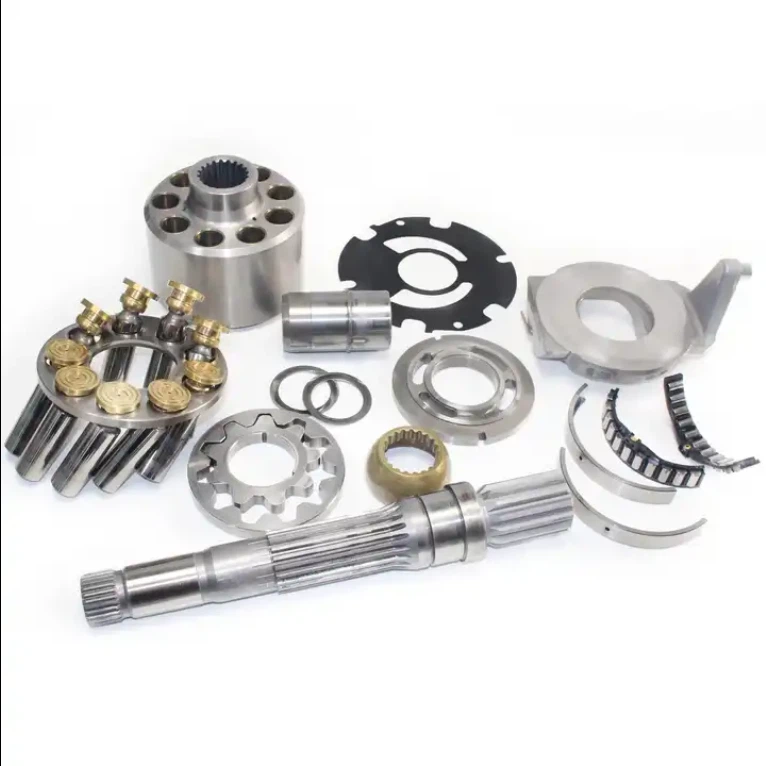
For example, in some Komatsu excavators, the PC30UU Excavator Tandem Hydraulic Pump Accessories KOMATSU Spare Repair Kit is an essential part of the hydraulic system. The proper functioning of this pump, along with an effective cooling mechanism, ensures smooth operation and longevity of the hydraulic system.
Electrical Component Cooling
With the increasing use of electronic controls and sensors in Komatsu equipment, the cooling of electrical components has become more important. These components generate heat during operation, and excessive heat can cause malfunctions or damage.
Komatsu uses various methods to cool electrical components. Some components are designed with heat sinks, which are made of materials with high thermal conductivity, such as aluminum. Heat sinks increase the surface area of the component, allowing heat to be dissipated more effectively into the surrounding air. In some cases, fans are used to force air over the heat sinks, enhancing the cooling process.
Advanced Technologies for Heat Dissipation in Komatsu
Komatsu is constantly innovating to improve the heat dissipation capabilities of its equipment. One such innovation is the use of intelligent cooling systems. These systems use sensors to monitor the temperature of various components in real - time. Based on the temperature readings, the system can adjust the speed of the cooling fans, the flow rate of the coolant, or the operation of other cooling components.
For example, if the engine temperature starts to rise, the intelligent cooling system can increase the speed of the radiator fan to provide more airflow for cooling. This not only ensures efficient heat dissipation but also reduces energy consumption, as the cooling system operates only as needed.
Another advanced technology is the use of variable - displacement pumps in the hydraulic system. These pumps can adjust their output volume based on the load requirements of the machine. By reducing the pump output when less power is needed, the amount of heat generated in the hydraulic system is also reduced.
Maintenance and Monitoring for Effective Heat Dissipation
Proper maintenance is essential for ensuring the effectiveness of the heat dissipation systems in Komatsu equipment. Regular inspection of the cooling components, such as radiators, oil coolers, and fans, is necessary to detect any signs of damage or blockage.
For radiators, debris such as dirt, leaves, and insects can accumulate on the fins, reducing the airflow and thus the cooling efficiency. Regular cleaning of the radiator fins using compressed air or a pressure washer can prevent this problem. Similarly, hydraulic oil coolers should be inspected for leaks and blockages.
Monitoring the temperature of the engine and hydraulic system is also crucial. Komatsu equipment is often equipped with temperature sensors and gauges that provide real - time temperature readings. Operators should regularly check these readings to ensure that the machine is operating within the normal temperature range. If any abnormal temperature increase is detected, it should be investigated immediately to prevent potential damage.
Conclusion
In conclusion, the Komatsu series uses a combination of advanced cooling systems and technologies to effectively manage heat dissipation. From the engine cooling systems to the hydraulic and electrical component cooling mechanisms, every aspect is designed to ensure that the equipment operates at optimal temperatures.
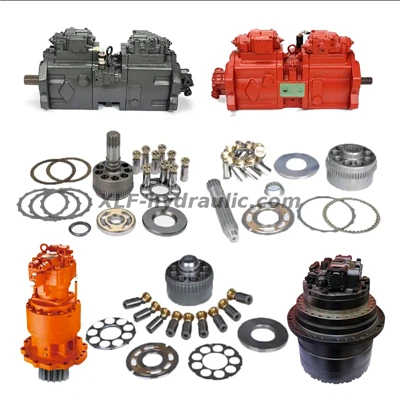
As a supplier of Komatsu series products, I understand the importance of these heat dissipation mechanisms for the performance and reliability of the machines. We offer a wide range of spare parts, such as the HPV Series Axial Piston Fixed Motor PC200 6 PC300 Rocking Piston Pump Parts for Excavators and Boats and Made in China PC200 - 2 PC60 - 6 Hydraulic Swing Motor Repair Kit Spare Parts Hydraulic System Accessories, to help maintain and enhance the heat dissipation capabilities of Komatsu equipment.
If you are in need of Komatsu spare parts or have any questions about heat dissipation in Komatsu equipment, I encourage you to reach out for a purchase negotiation. We are committed to providing high - quality products and excellent service to meet your needs.
References
- Komatsu Technical Manuals
- Engineering textbooks on heavy - equipment design and thermal management