

Hey there! As a supplier of the best variable speed pumps, I often get asked about how these pumps perform in cold weather. It's a crucial question, especially for those in regions with harsh winters or industries that operate year - round in cold environments. So, let's dive right in and explore this topic.
Understanding Variable Speed Pumps
First off, let's quickly go over what variable speed pumps are. These pumps are designed to adjust their speed according to the system's demand. Unlike traditional fixed - speed pumps that run at a constant rate, variable speed pumps can slow down or speed up, which leads to energy savings, better control, and longer equipment life.
Cold Weather Challenges for Pumps
Cold weather brings a whole set of challenges for pumps. One of the most significant issues is the increase in fluid viscosity. As the temperature drops, the fluid in the pump becomes thicker. This makes it harder for the pump to move the fluid through the system. Think of it like trying to pour honey on a cold day compared to a warm one. The honey is much more sluggish in the cold.
Another problem is the potential for freezing. If the fluid in the pump freezes, it can cause severe damage to the pump components. Ice expands, and this expansion can crack pipes, seals, and even the pump housing itself.
How the Best Variable Speed Pumps Tackle Cold Weather
1. Adaptive Speed Control
The best variable speed pumps are equipped with advanced control systems. When the weather gets cold and the fluid viscosity increases, these pumps can automatically adjust their speed. They speed up to maintain the required flow rate and pressure. For example, if a system usually requires a certain flow rate to operate properly, and the thickening of the fluid due to cold weather starts to reduce that flow, the pump will sense this and increase its speed to compensate.
2. Energy Efficiency
Even in cold weather, energy efficiency remains a key advantage of variable speed pumps. Since they can adjust their speed based on the actual demand, they don't waste energy by running at full speed when it's not necessary. This is especially important in cold weather when heating costs are already high. By using less energy, these pumps can help reduce overall operating expenses.
3. Built - in Protection
Many of the best variable speed pumps come with built - in protection features to prevent damage from freezing. Some pumps have heaters installed in critical areas to keep the fluid from freezing. Others have sensors that can detect when the temperature is getting too low and automatically shut down the pump to avoid damage.
Real - World Examples
Let's take a look at some of the pumps we offer and how they perform in cold weather.
The Rexroth JCB 3CX 4CX Hyadraulic Variable Flow Pump 20/925784 For Backhoe Loader is a great example. This pump is designed for heavy - duty applications, like backhoe loaders that often operate in all kinds of weather conditions. Its variable flow feature allows it to adapt to the changing fluid viscosity in cold weather, ensuring smooth operation.
The T6 T7 Electric Radial Piston Type Pump Series Single Hydraulic Quantitative Vane Pump is another excellent option. These pumps are known for their high efficiency and reliability. In cold weather, their electric drive system can adjust the pump speed precisely, maintaining the required performance while saving energy.
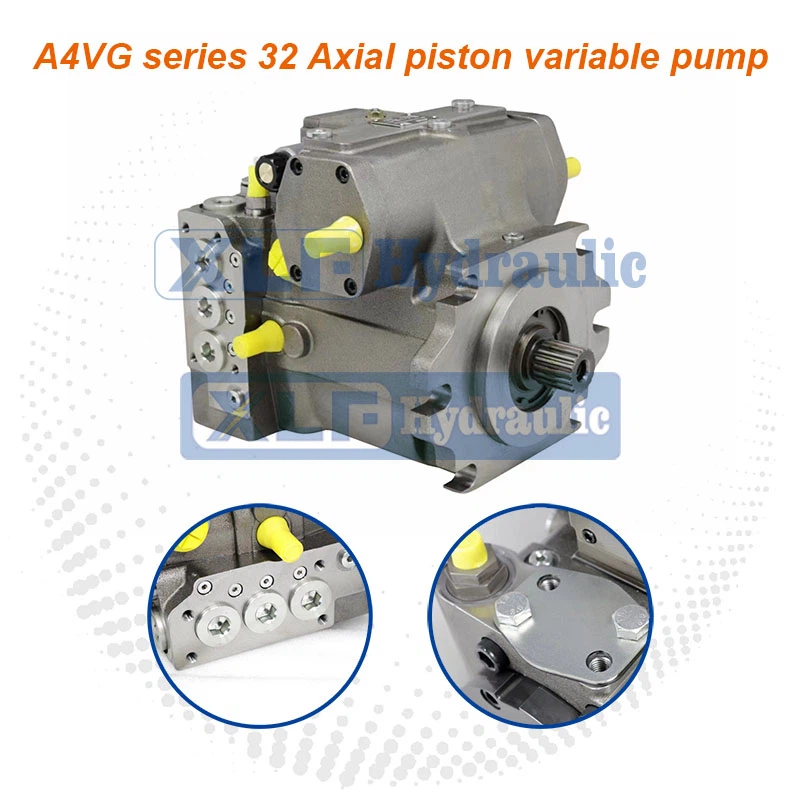
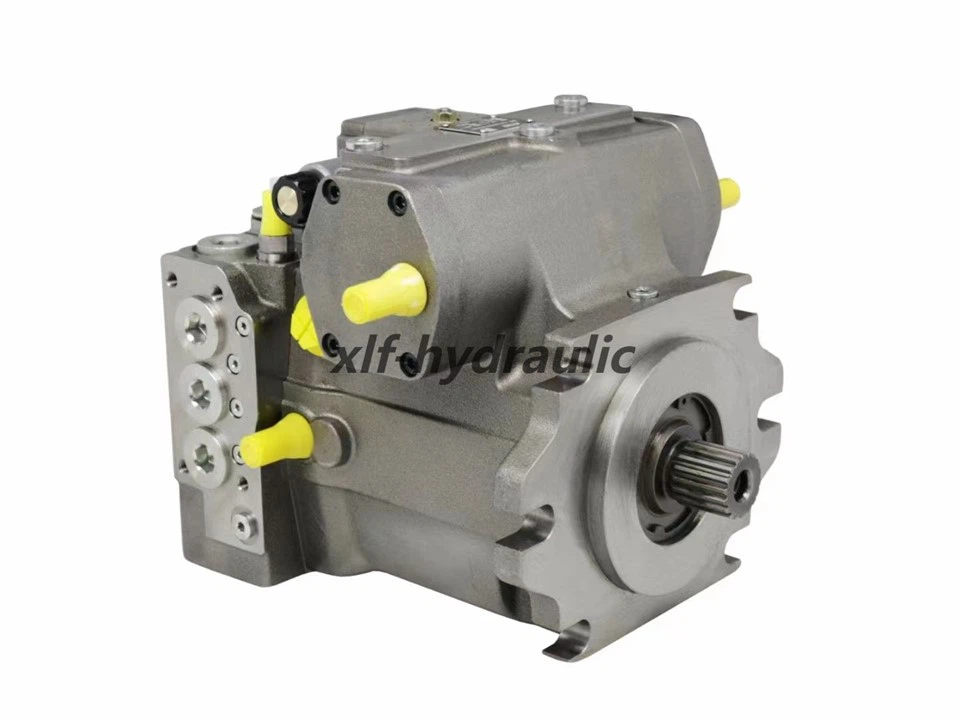
The Rexroth A4VG Series 40 Dual Piston Pump for Industrial Machinery is widely used in industrial settings. It has a robust design that can withstand the challenges of cold weather. The dual - piston configuration provides better pressure control, and the variable speed function helps it cope with the thickening of the hydraulic fluid.
Maintenance Tips for Cold Weather
To ensure the best performance of variable speed pumps in cold weather, proper maintenance is essential. Here are some tips:
- Fluid Checks: Regularly check the fluid level and quality. Use a fluid that is suitable for cold weather conditions. Some fluids are specifically formulated to maintain their properties at low temperatures.
- Insulate Pipes: Insulating the pipes connected to the pump can help prevent heat loss and reduce the risk of freezing.
- Pre - start Checks: Before starting the pump in cold weather, make sure to check all the components for any signs of damage or freezing. You may also want to run the pump at a low speed for a few minutes to warm up the fluid.
Conclusion
In conclusion, the best variable speed pumps are well - equipped to handle the challenges of cold weather. Their adaptive speed control, energy efficiency, and built - in protection features make them a reliable choice for various applications, even in the coldest of environments.
If you're in the market for a high - quality variable speed pump that can perform well in cold weather, don't hesitate to reach out. We're here to help you find the perfect pump for your needs. Whether you're in the construction, industrial, or any other sector, our pumps can provide the performance and reliability you're looking for. Let's start a conversation and see how we can meet your pumping requirements!
References
- Pump Handbook, 4th Edition, by Igor J. Karassik et al.
- Hydraulic Systems and Components: Fundamentals and Applications, by Rainer Weber.


