

As a supplier of the Yuken series, I've had the privilege of working closely with these high - performance hydraulic components. The Yuken series is renowned for its reliability and efficiency in various industrial applications. However, like any sophisticated machinery, proper maintenance is crucial to ensure its long - term performance and durability. In this blog, I'll delve into the key maintenance requirements for the Yuken series.
Regular Inspection of Fluid Levels and Quality
One of the fundamental aspects of maintaining the Yuken series is the regular inspection of hydraulic fluid. Hydraulic fluid serves as the lifeblood of the system, transmitting power and lubricating moving parts. It's essential to check the fluid level at regular intervals. A low fluid level can lead to cavitation, which can cause damage to pumps and other components.
The quality of the hydraulic fluid is equally important. Over time, the fluid can become contaminated with dirt, debris, and moisture. Contaminated fluid can lead to increased wear and tear on components, reduced efficiency, and even system failure. To maintain fluid quality, it's recommended to use a high - quality hydraulic filter. These filters can trap contaminants and prevent them from circulating through the system. Additionally, periodic fluid analysis can help determine when it's time to change the fluid. Most manufacturers recommend changing the hydraulic fluid every 2000 - 3000 operating hours, but this can vary depending on the application and operating conditions.
Monitoring of Pressure and Temperature
Monitoring the pressure and temperature of the Yuken series is another critical maintenance task. Pressure sensors can be installed in the system to continuously monitor the pressure levels. Abnormal pressure readings can indicate a problem with the pump, valves, or other components. For example, if the pressure is too high, it could be due to a blocked valve or a malfunctioning pump. On the other hand, low pressure may be a sign of a leak or a worn - out pump.
Temperature is also a crucial parameter to monitor. High temperatures can cause the hydraulic fluid to break down, reducing its lubricating properties and increasing the risk of component damage. Excessive heat can also lead to seal failure, which can result in fluid leaks. Temperature sensors can be used to keep track of the system's temperature, and if the temperature exceeds the recommended range, corrective action should be taken immediately. This may involve checking the cooling system, reducing the load on the system, or inspecting for any sources of excessive friction.
Inspection and Maintenance of Seals and Gaskets
Seals and gaskets play a vital role in preventing fluid leaks in the Yuken series. Over time, these seals can wear out due to constant exposure to hydraulic fluid, pressure, and temperature changes. Regular inspection of seals and gaskets is necessary to detect any signs of wear or damage.
When inspecting seals, look for signs of leakage, such as fluid stains around the seal area. Also, check for any signs of cracking, swelling, or hardening of the seal material. If a seal is found to be damaged, it should be replaced immediately with a high - quality replacement seal. Using the correct type of seal is crucial, as different applications may require seals with specific properties, such as resistance to high pressure or temperature.
Cleaning and Lubrication of Components
Cleaning the components of the Yuken series is an important maintenance step. Dirt and debris can accumulate on the surface of components, which can cause abrasion and damage to moving parts. Regular cleaning can prevent this from happening. Use a clean, lint - free cloth and a suitable cleaning agent to wipe down the components.
Lubrication is also essential for the smooth operation of the Yuken series. Moving parts, such as pistons, valves, and bearings, require proper lubrication to reduce friction and wear. Make sure to use the lubricant recommended by the manufacturer. Over - lubrication or using the wrong type of lubricant can also cause problems, so it's important to follow the manufacturer's guidelines.
Alignment and Calibration
Proper alignment and calibration of the Yuken series components are necessary for optimal performance. Misaligned components can cause excessive vibration, which can lead to premature wear and damage. For example, if the pump is not properly aligned with the motor, it can cause uneven loading on the pump shaft, leading to bearing failure.
Calibration of sensors and control valves is also crucial. Incorrect calibration can result in inaccurate pressure and flow control, which can affect the overall performance of the system. Regularly check and adjust the alignment and calibration of components according to the manufacturer's specifications.
Spare Parts Management
As a supplier of the Yuken series, I understand the importance of having a reliable supply of spare parts. Keeping an inventory of essential spare parts can minimize downtime in case of a component failure. For example, having spare seals, gaskets, filters, and pump parts on hand can ensure that the system can be quickly repaired and back in operation.
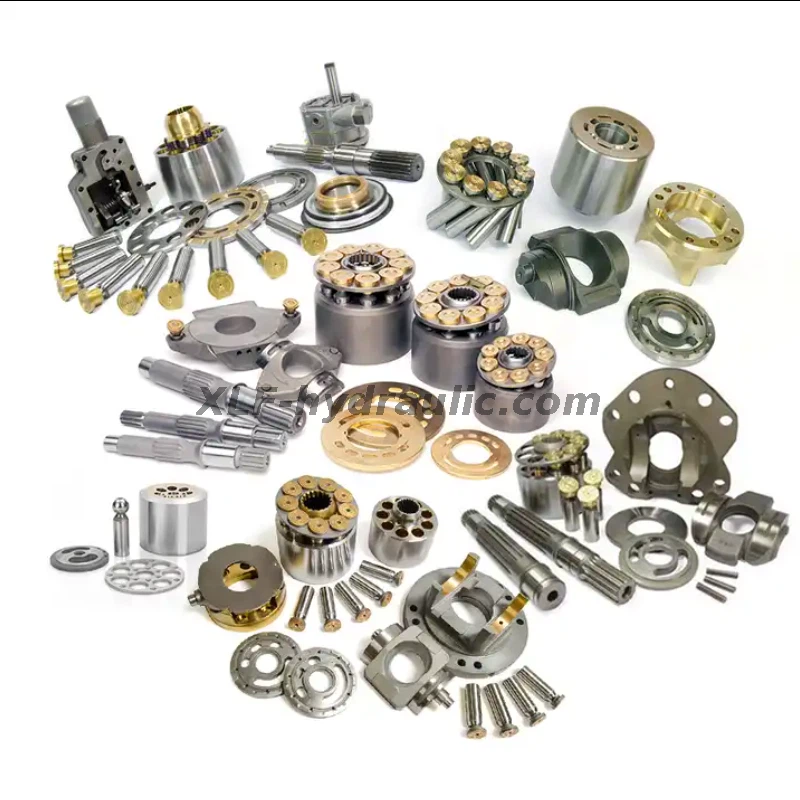
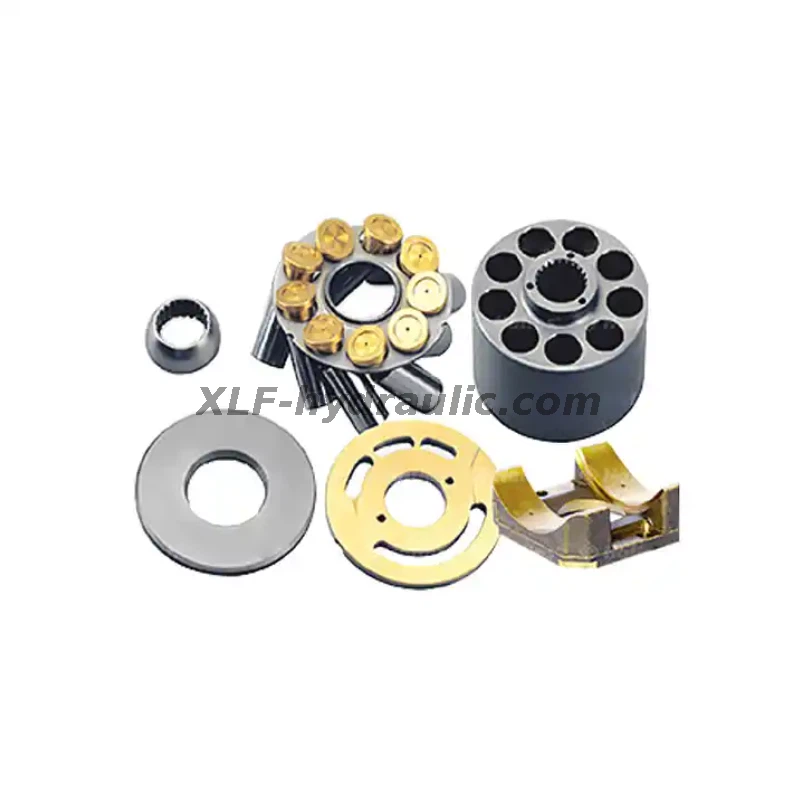
One of the popular spare parts in the Yuken series is the A10 Hydraulic Yuken Axial Piston Pump Parts With Hydraulic System Spare Parts. These parts are designed to meet the high - quality standards of the Yuken series and can be easily installed in the system.
Training and Operator Awareness
Proper training of operators is essential for the maintenance of the Yuken series. Operators should be educated on the correct operation of the system, including how to start and stop the system, how to monitor the pressure and temperature, and how to perform basic maintenance tasks. They should also be aware of the signs of potential problems and know when to report them.
By providing regular training and promoting operator awareness, the risk of human - error - related breakdowns can be significantly reduced.
In conclusion, maintaining the Yuken series requires a comprehensive approach that includes regular inspection, monitoring, cleaning, lubrication, alignment, and calibration. By following these maintenance requirements, you can ensure the long - term performance and reliability of the Yuken series in your industrial applications.
If you're interested in learning more about the Yuken series or need to purchase spare parts for your system, please feel free to contact us for a detailed discussion and procurement negotiation. We're committed to providing you with the best products and services to meet your hydraulic needs.
References
- Yuken Hydraulic Systems Manual
- Industry Best Practices for Hydraulic System Maintenance


